Free shipping from 1 999 Kč
Fast shipping
Verified store
Thousands of customers




Free shipping from 1 999 Kč
Posts: 38
Showing 1-38 of 38
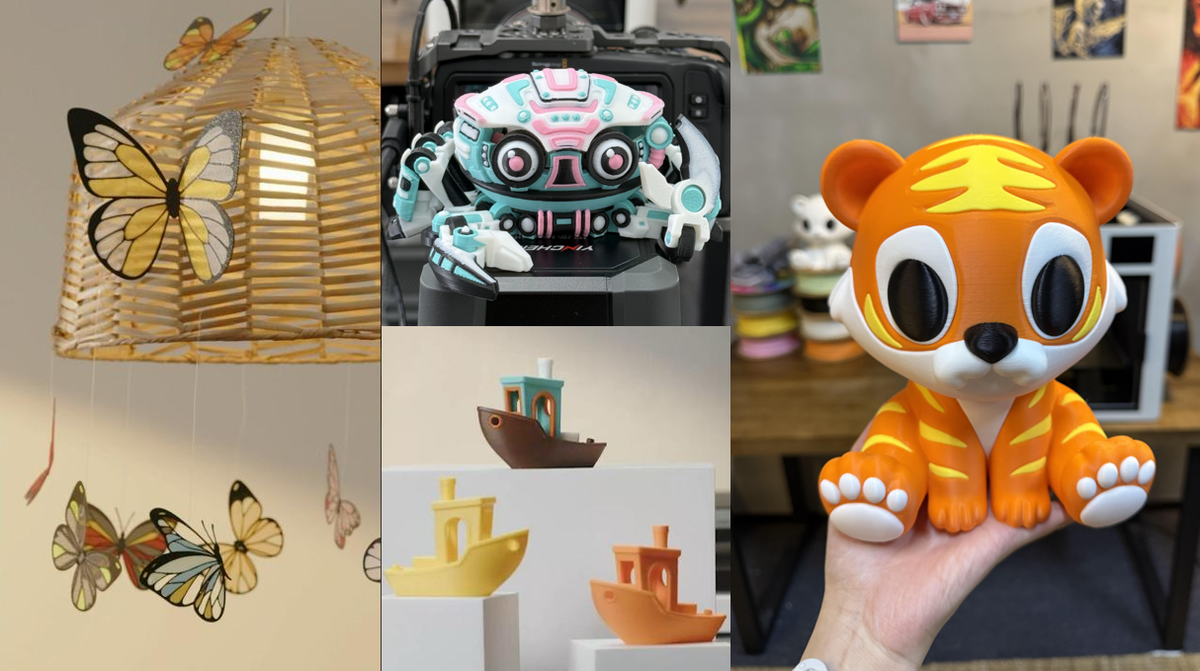
An overview of ten types of multicolor 3D prints where AMS, MMU, or a toolchanger really make sense. The article presents practical models, slicer tips, and ways to reduce waste during filament changes.
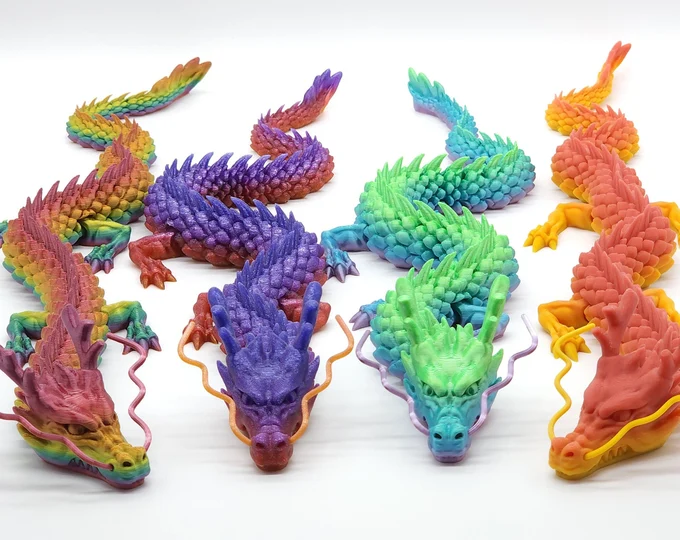
An overview of ten popular 3D prints for 2026: articulated dragons, i animals, haptic sliders, geared spinners, and quiet sensory aids. Practical advice on material, colors, part size, and safety.

An overview of 10 practical 3D prints for cars and outdoors, with clear recommendations on when PETG is sufficient, when PLA will fail, and when to choose ASA or PET-CF for heat, sunlight, and long-term loads.
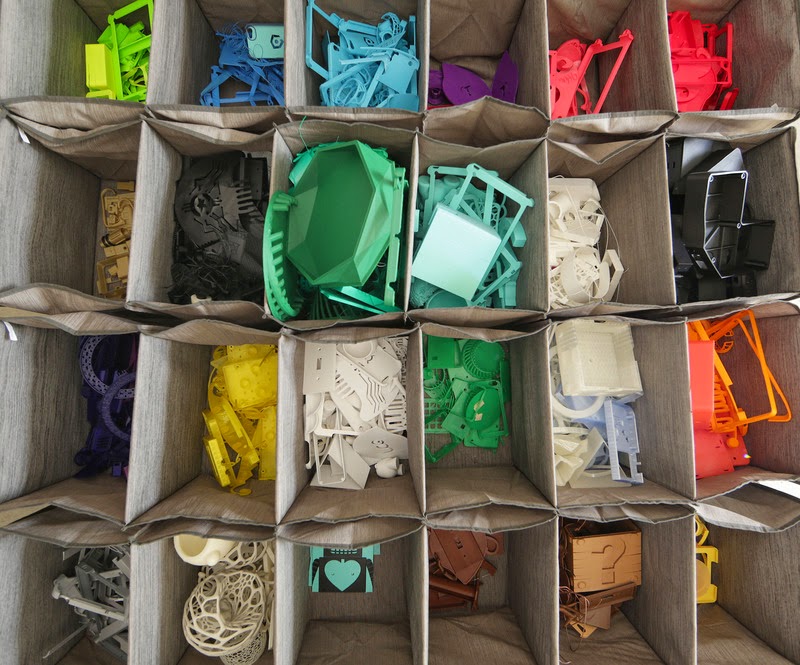
Failed prints, supports, and purge towers from multicolor printing are useful only if you sort them right next to the printer. Separate PLA, PETG, and PS, keep the material clean, and treat home filament production as a demanding project rather than a quick waste solution.
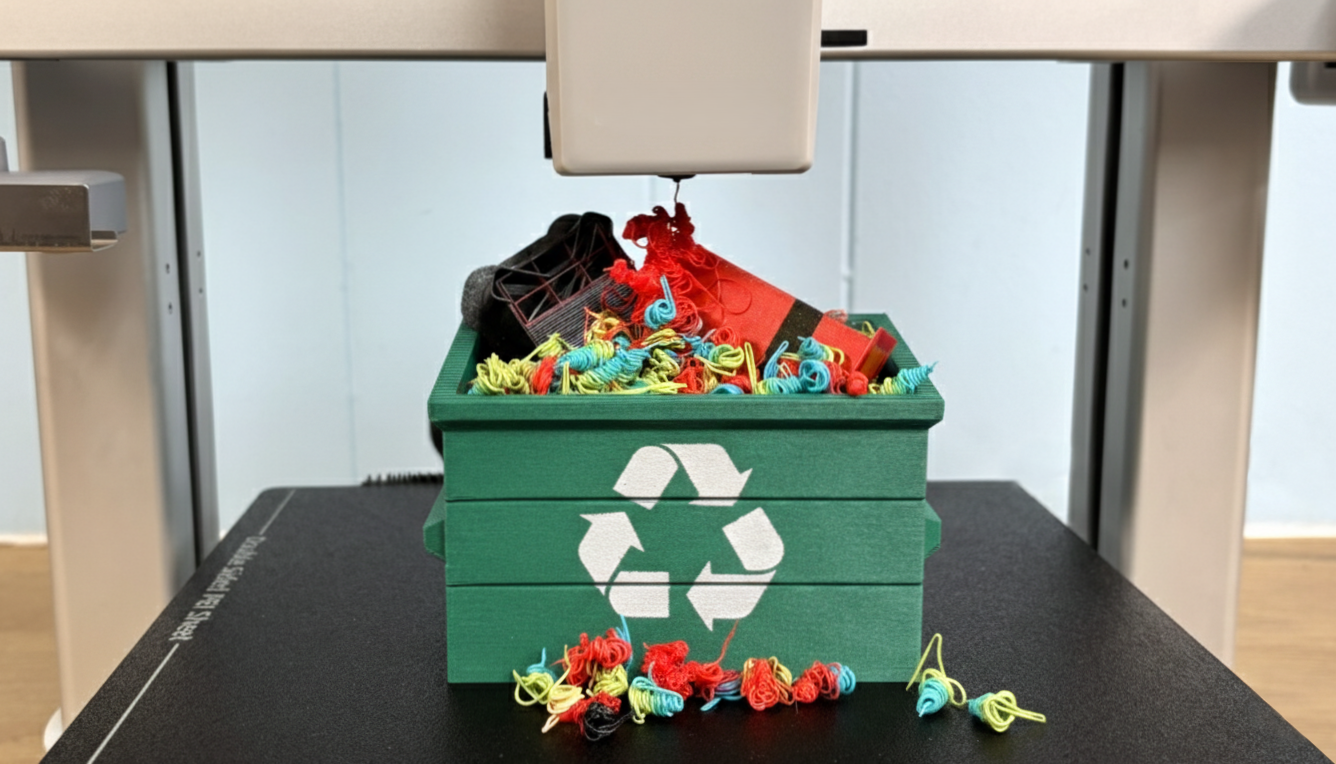
A practical guide to 3D printing waste: how to sort PLA and PETG, why purge towers and supports generally do not belong in regular recycling, what to reuse at home and when a home extruder or recycling service is worthwhile.
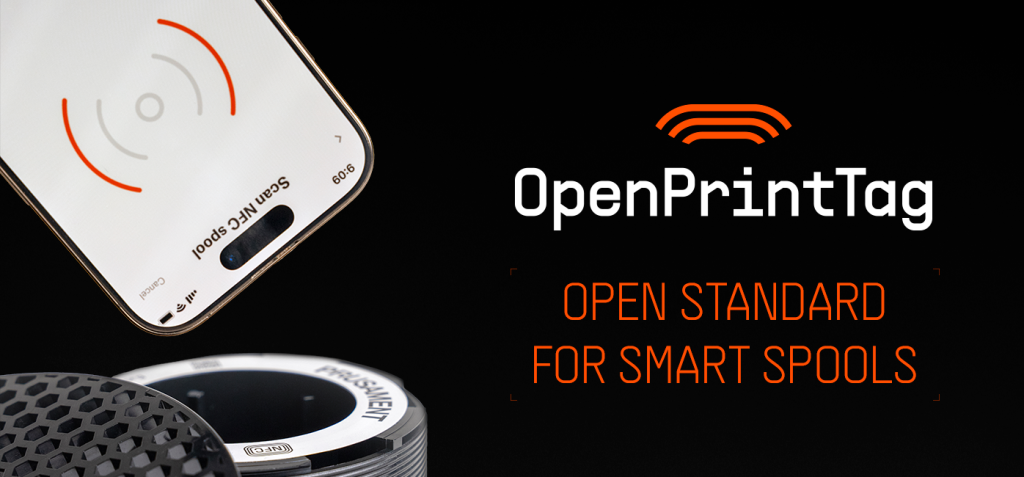
Smart spools can automatically read the material, color, and profile, but not all systems are equally open. Find out when Bambu RFID is convenient, why OpenPrintTag matters, and what to watch out for with refills and your own NFC labels.
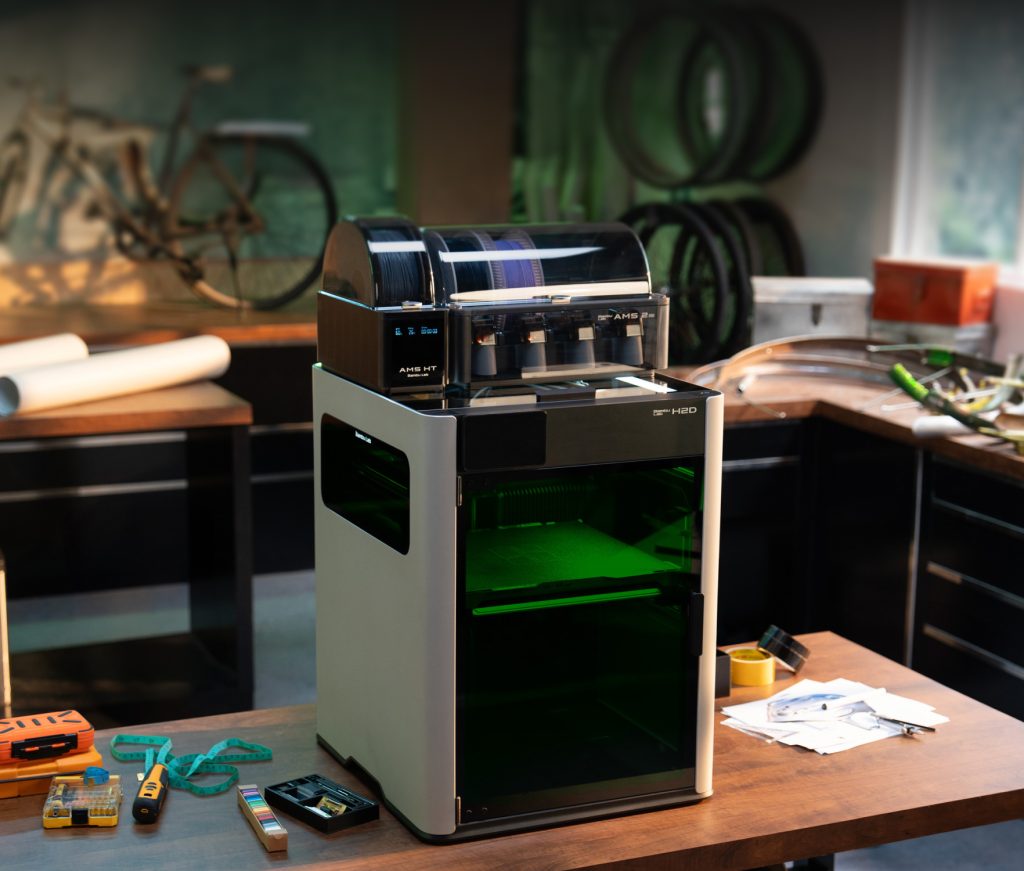
All-in-one machines such as Bambu Lab H2D combine 3D printing, laser engraving, cutting and plotting. They are suitable for creative workshops, schools and small production runs, but they will not replace a specialized laser or conventional printer in every situation.
An enclosed CoreXY printer is worth it when an open machine starts failing with larger parts, fast printing, and technical materials such as ASA, ABS, or PA. This article explains what a chamber and CoreXY mechanics can bring, and when an upgrade makes economic sense.
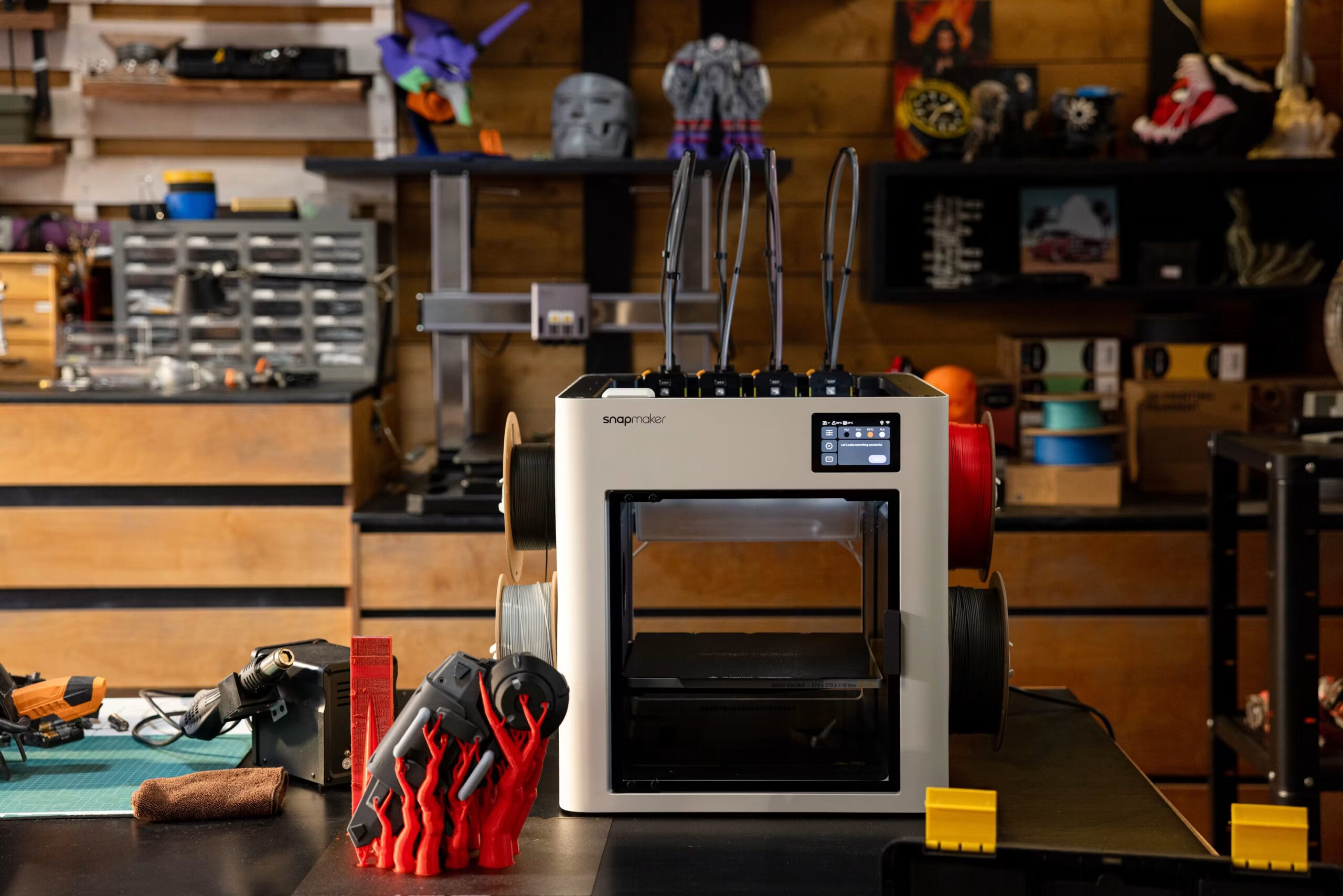
Owning a 3D printer is worthwhile mainly for regular printing, rapid prototyping, and repeated small parts. For one-off jobs, special materials, and a finished result without the hassle, 3D printing on demand is usually the better option.
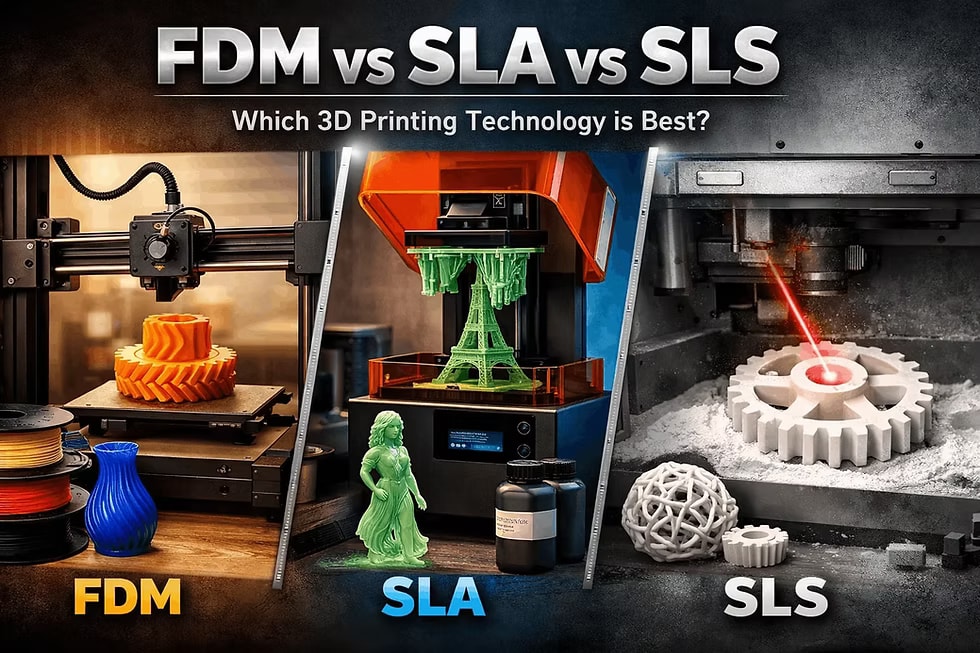
Not sure whether to choose FDM, SLA or SLS for your part? This practical comparison explains the differences in cost, strength, detail, surface quality and suitable applications.
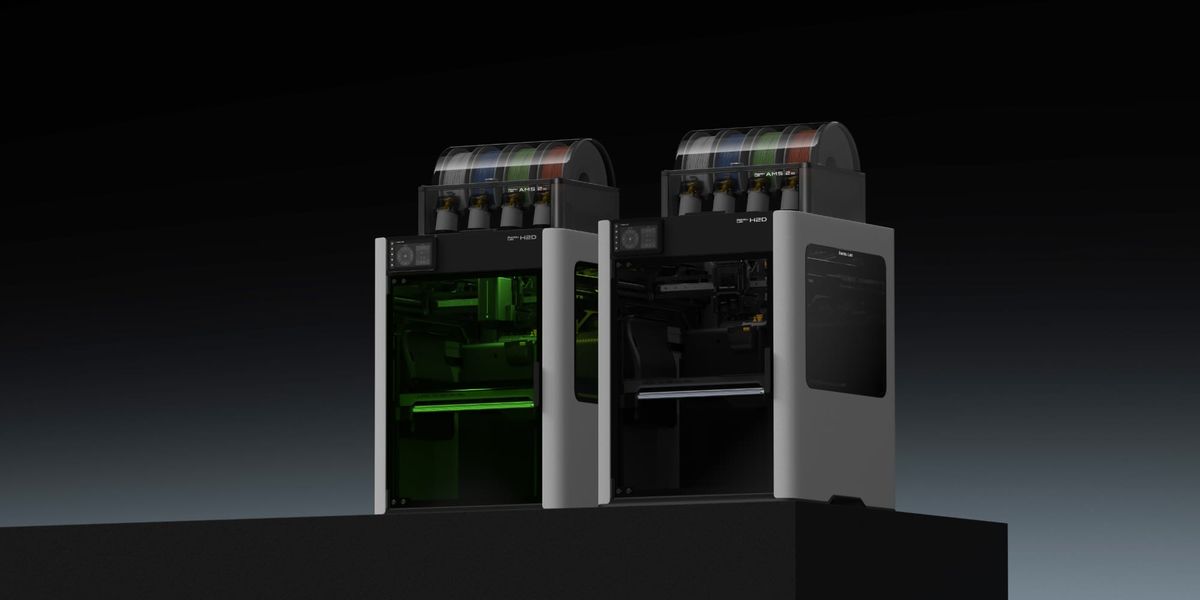
H2S is the most straightforward choice for large functional prints, H2D adds a second nozzle for technical material combinations, and H2C is aimed at frequent multicolor printing with less waste. We clearly explain when each model makes sense.
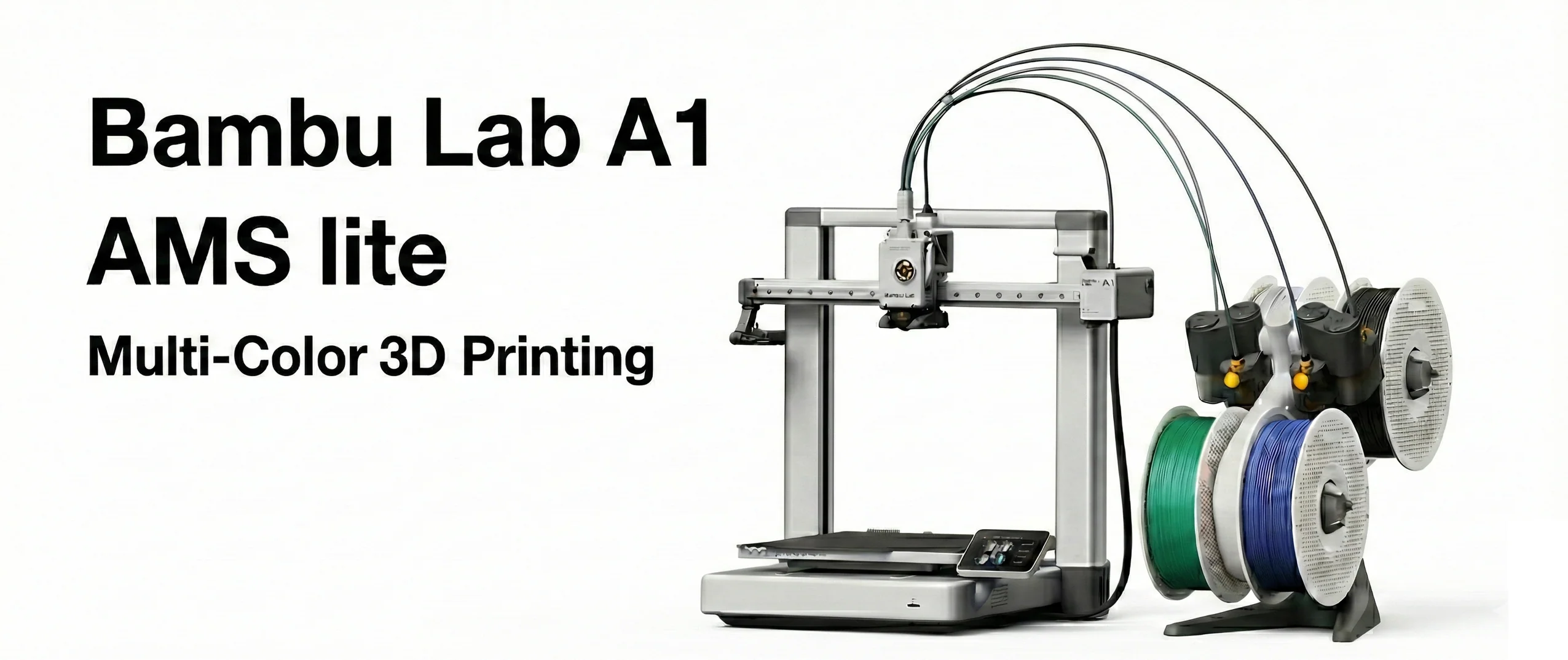
A comparison of Bambu Lab AMS Lite and AMS 2 Pro in Czech: the main differences, printer compatibility, suitable filaments, spool limitations, and practical advice on when to choose the simpler AMS Lite and when AMS 2 Pro is worth it.
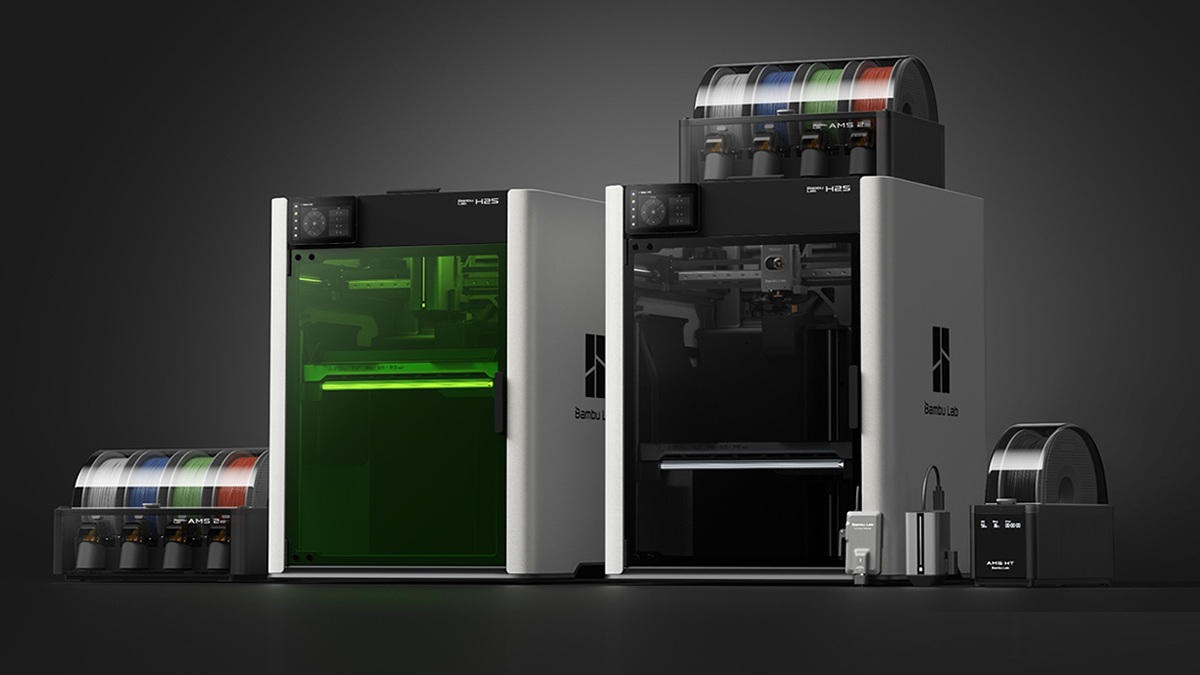
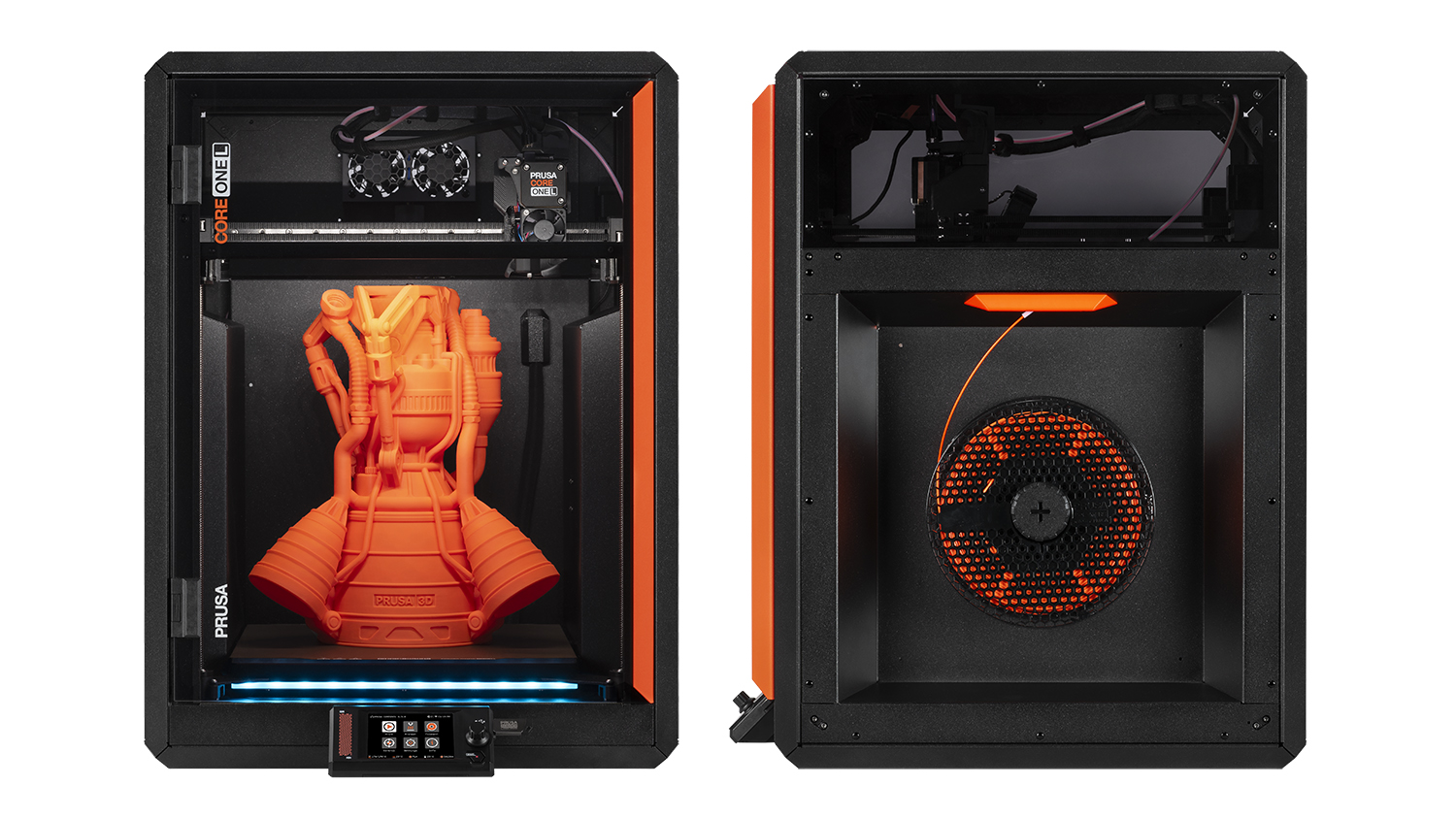
A practical comparison of the Prusa Core One L and Bambu Lab H2S for workshops, schools, designers, and home enthusiasts. When does the more open and serviceable Prusa make sense, and when is the larger, more automated Bambu with AMS worth it?
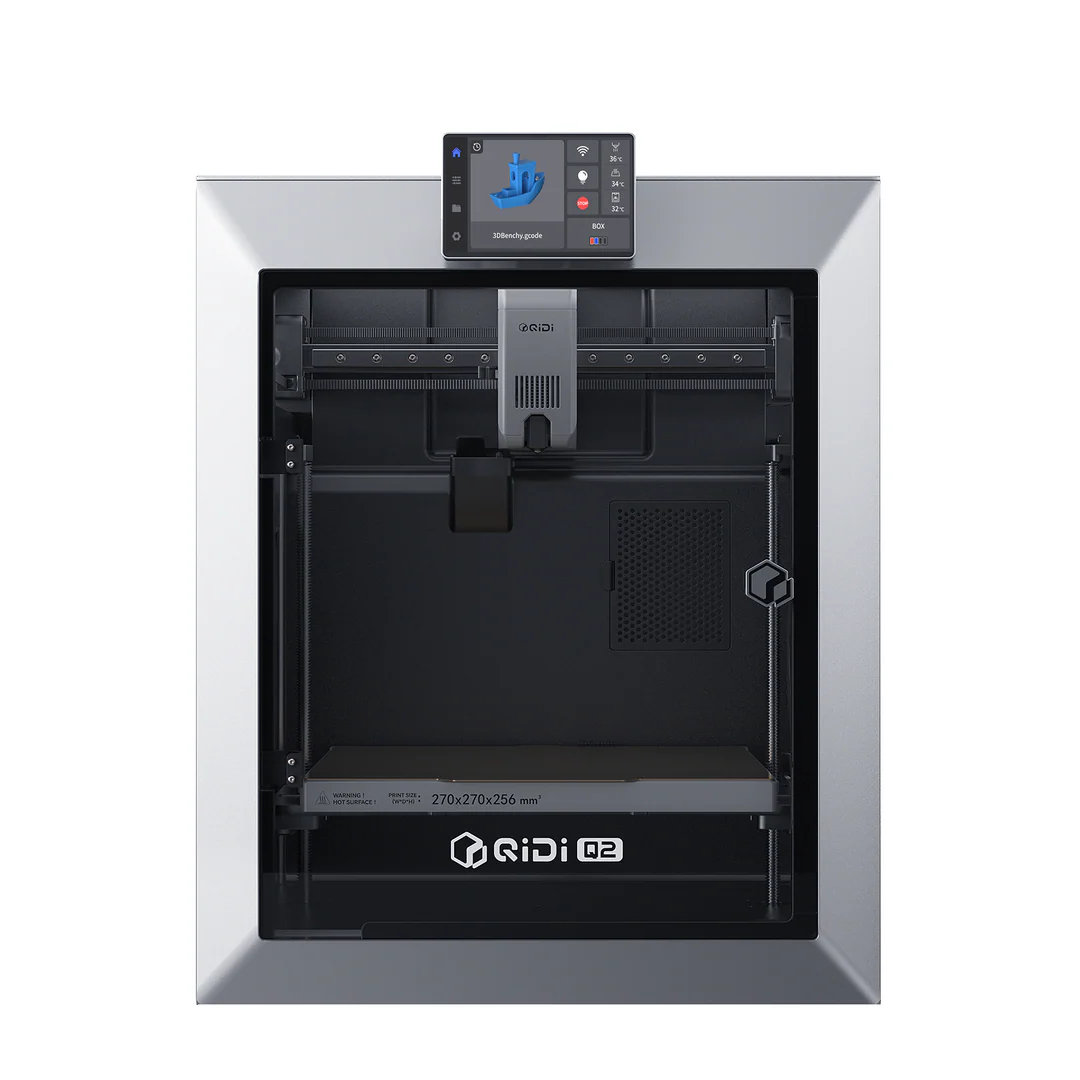
Comparison of the QIDI Q2, Q2C and Q1 Pro: differences in chamber, volume, hotend and materials, plus practical advice on which compact CoreXY printer to choose.
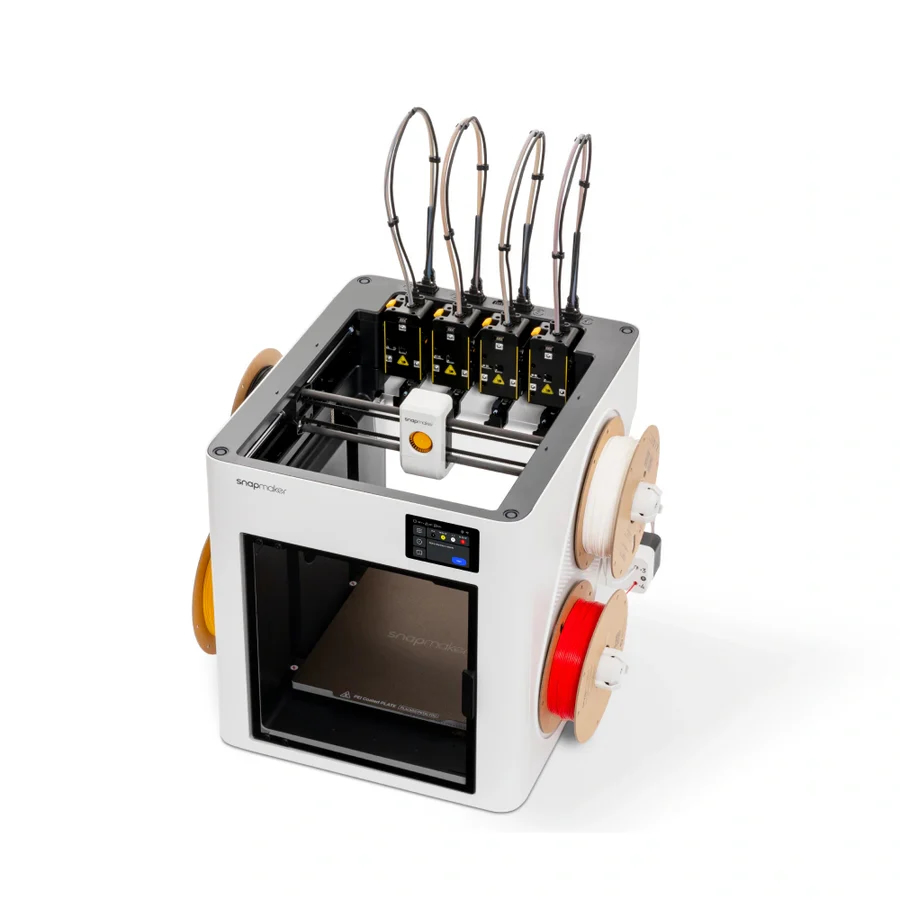
The Snapmaker U1 is an interesting four-head 3D printer for fast multi-color printing with significantly less waste. Compared with Bambu Lab, it makes the most sense where you frequently change colors or materials, but it does not always replace a more mature ecosystem and more enclosed design.
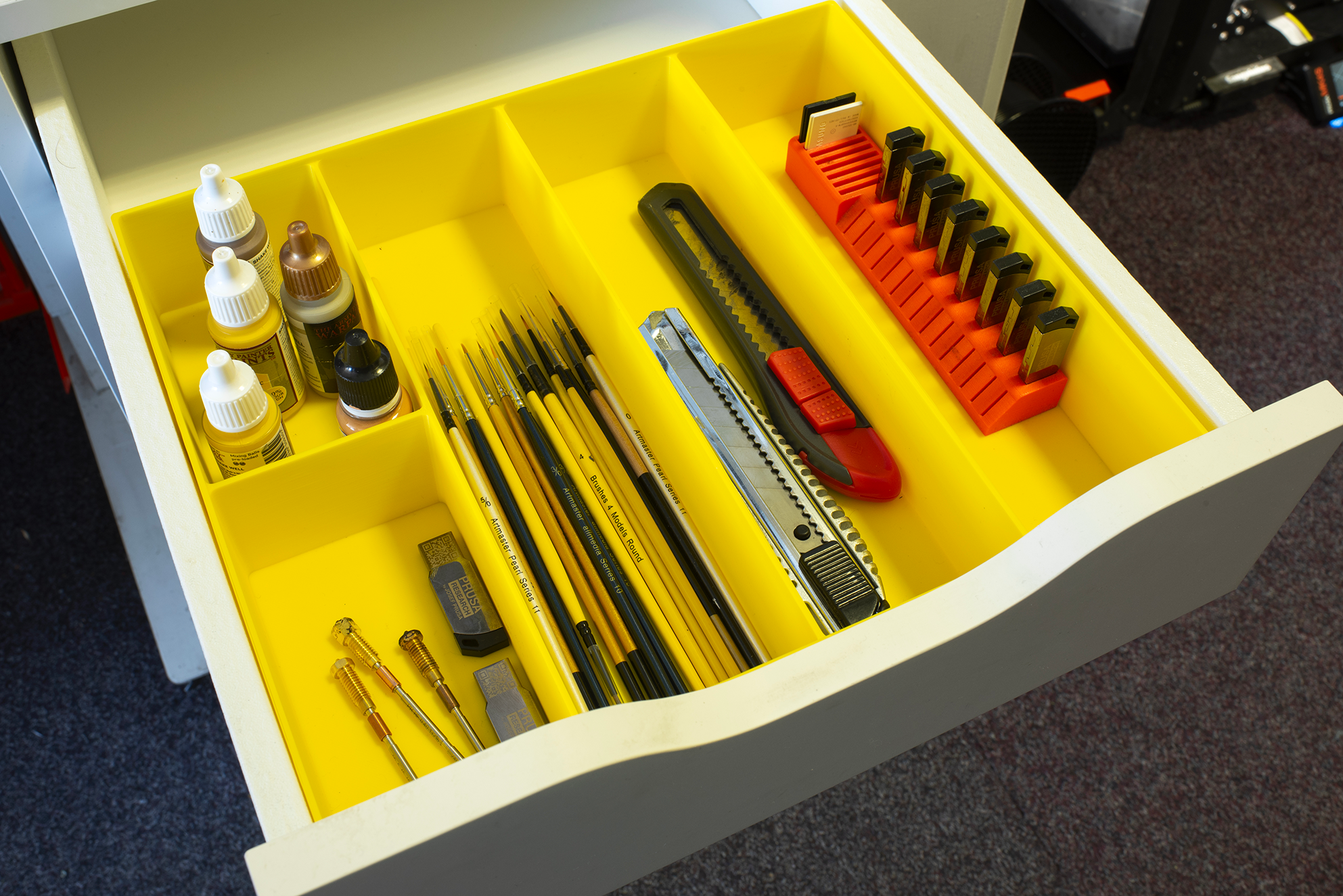
Practical ideas for what to print on a 3D printer: organizers, holders, repairs, workshop aids, outdoor parts, and advice on when to choose PLA, PETG, ASA, or TPU.
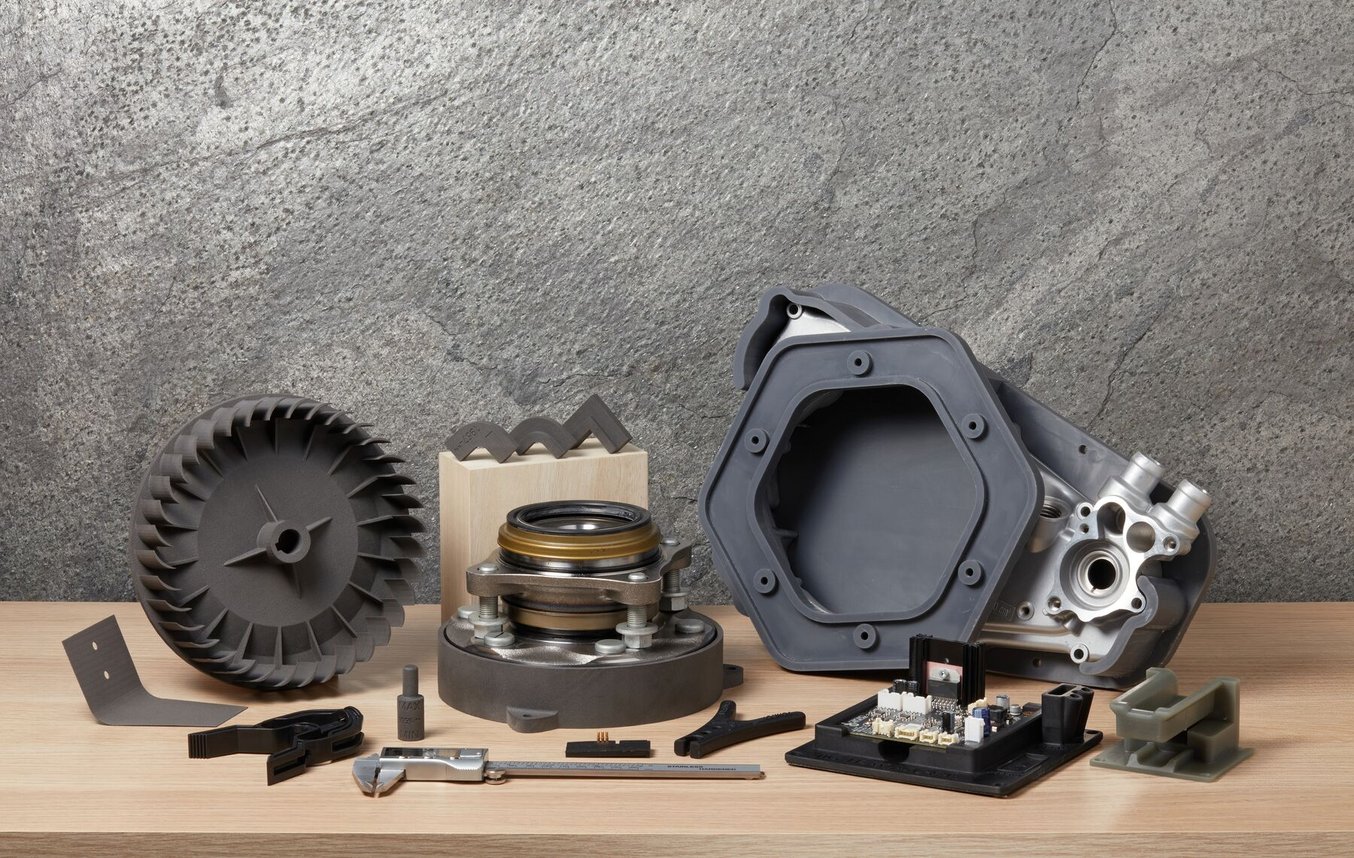
3D printing pays off in manufacturing mainly for smaller batches, fixtures, custom parts, and designs that are still changing. Find out when it makes more sense than CNC milling or injection molding.
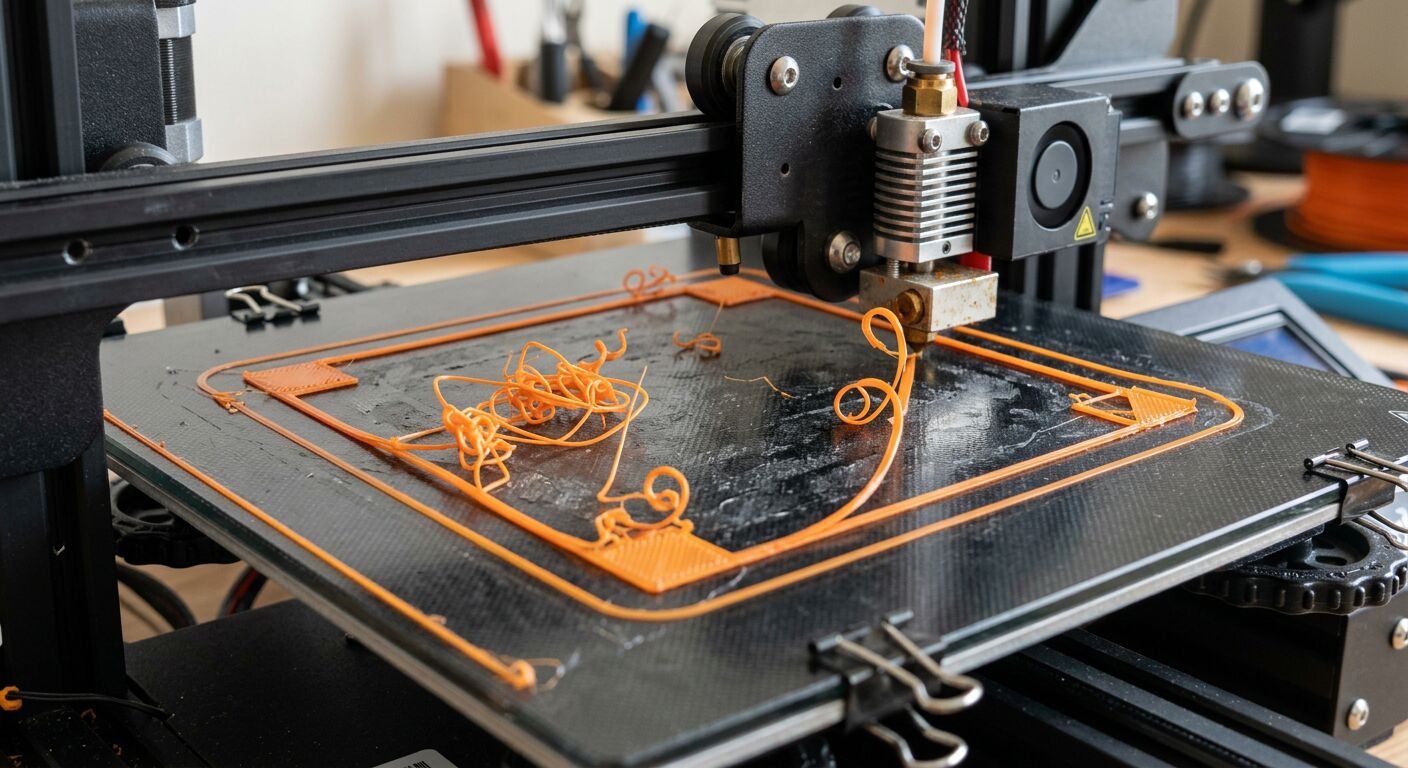
An overview of the most common FDM 3D printing errors with a practical troubleshooting procedure: first layer, warping, stringing, under-extrusion, layer shifts, cracking, blobs, overhangs, and a clogged nozzle.
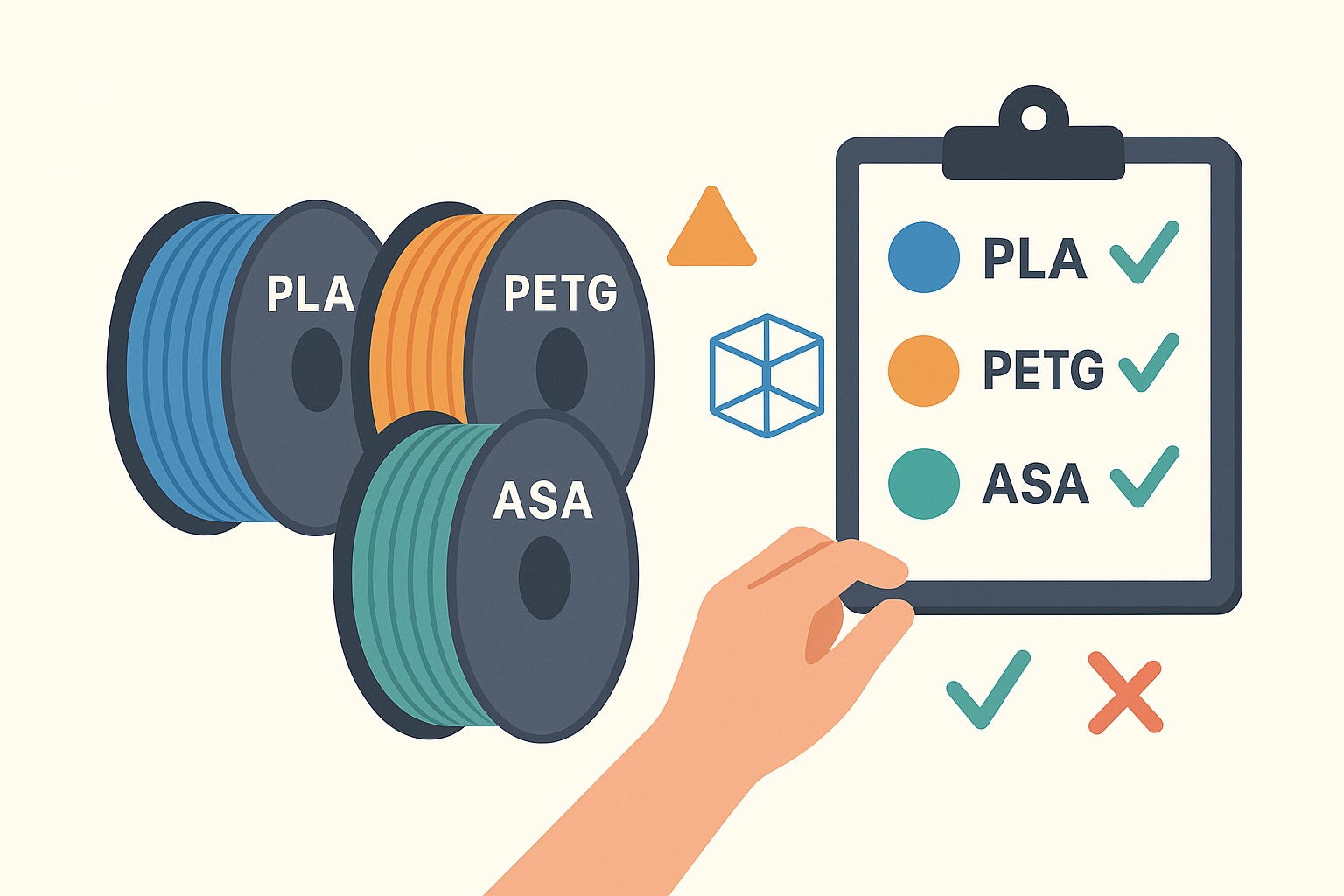
Not sure whether to print with PLA, PETG, or ASA? This practical comparison explains when to choose easy-to-print PLA, more durable PETG, and when demanding ASA is worthwhile for outdoor parts.
A practical guide to choosing between MMU3, INDX, and a toolchanger for multicolor and multimaterial 3D printing. Explains the differences in waste, speed, price, and operating complexity.
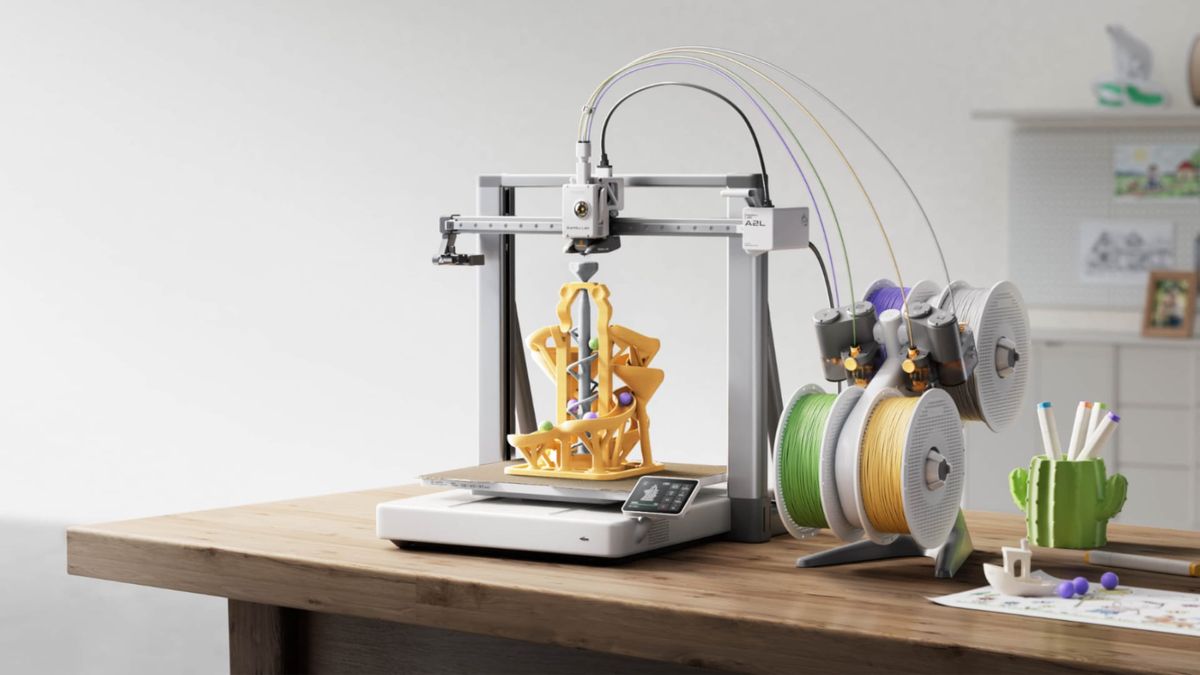
The Bambu Lab A2L is a large-format alternative to the A1 and approaches the P1S in price. It is best suited to large PLA/PETG prints, cosplay, decorations and batch printing. The P1S remains better for ABS, ASA and an enclosed printing environment.
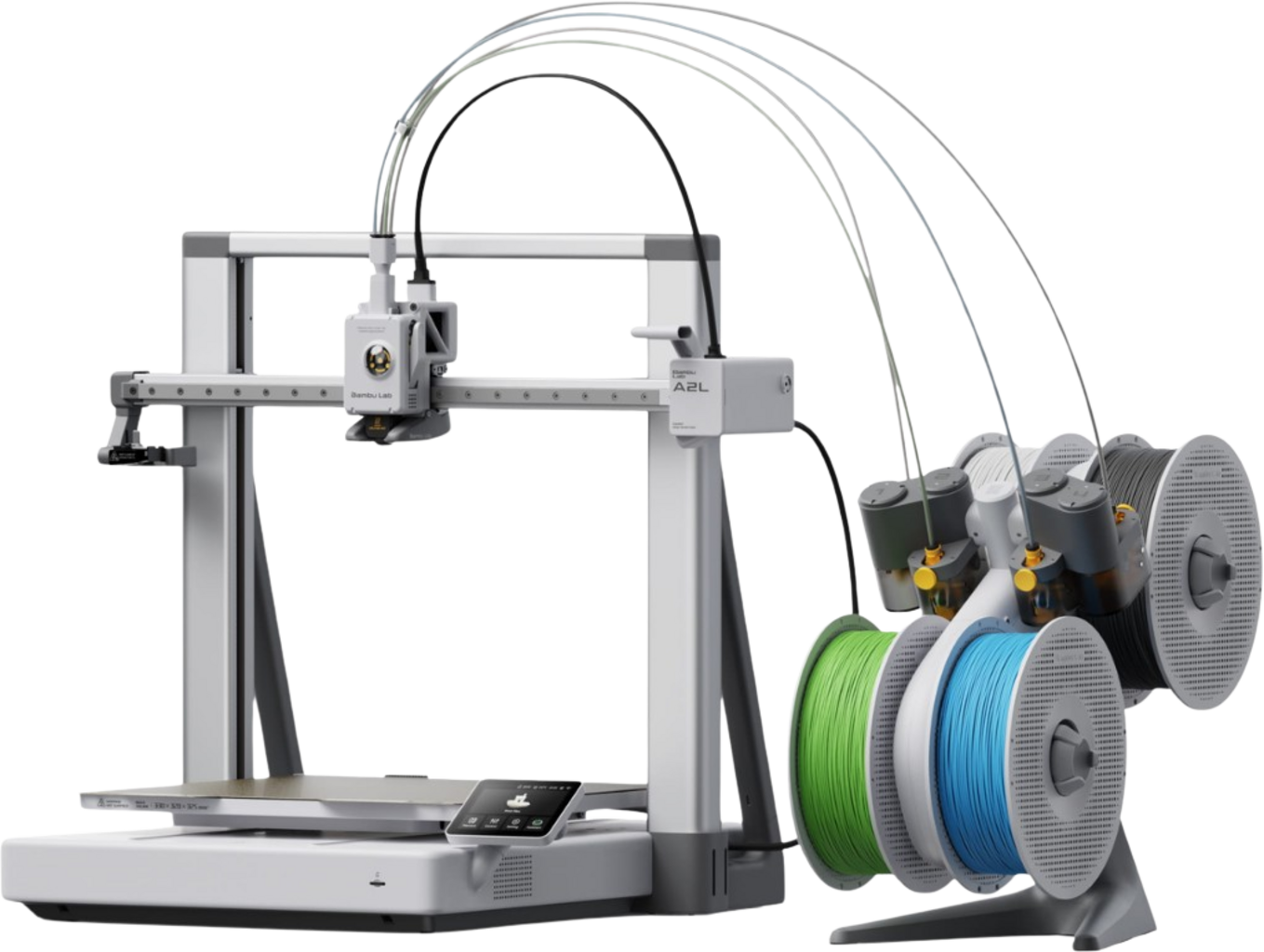
The A2L Combo mainly brings a significantly larger build volume and new possibilities for large hobby projects. However, upgrading from the A1 Combo is worthwhile only if the build plate size is genuinely limiting you.
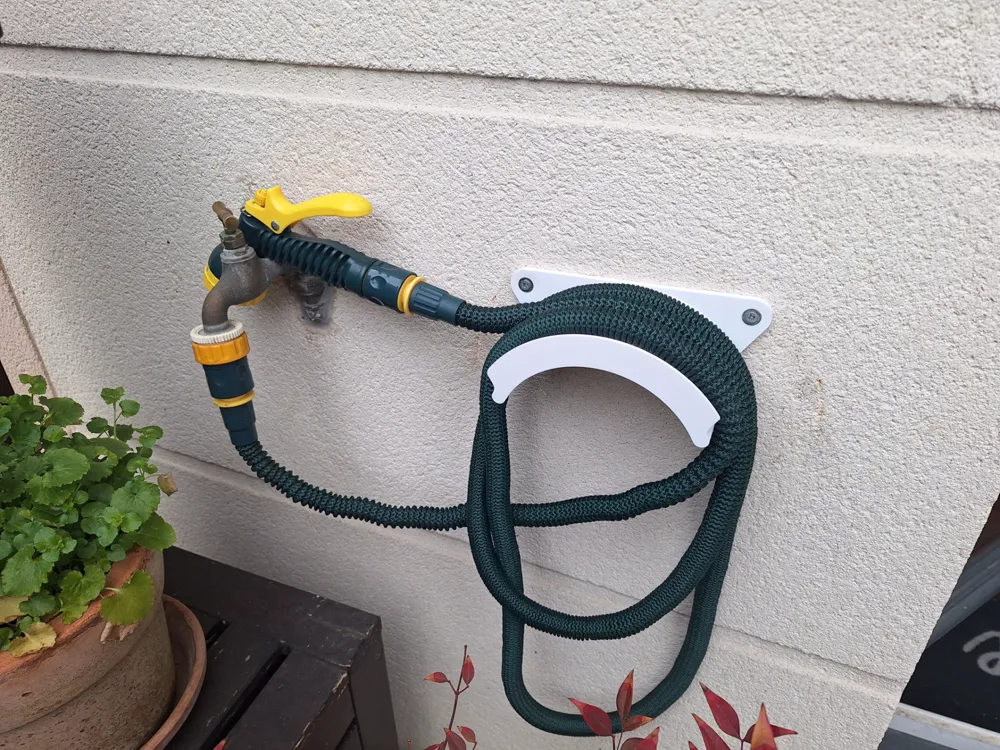
A practical guide to choosing filament for a Czech summer: when PLA is sufficient, when PETG is better, and why ASA is the safest choice for sunlight, cars, and long-term outdoor parts.
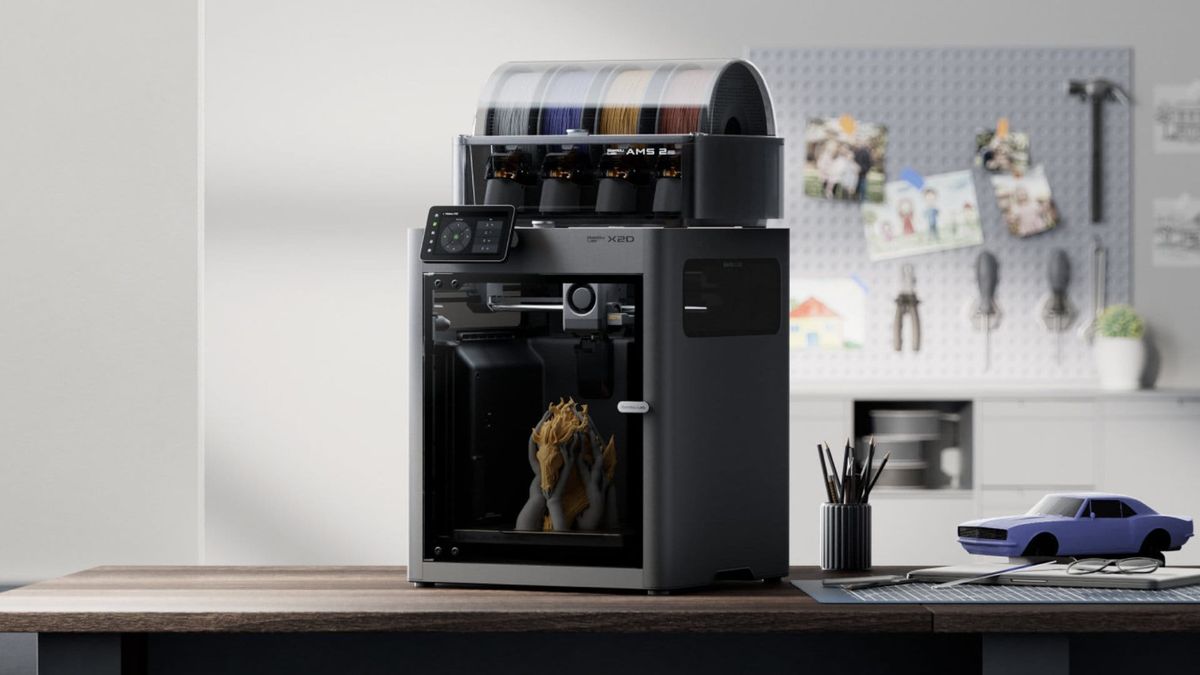
Two nozzles are not just for impressive multimaterial printing. With ordinary FDM prints, they mainly help with supports: cleaner bottom surfaces, less waste, faster material switching, and a lower risk of damaging the finished part.
The Bambu Lab X2D brings full-fledged dual extrusion to desktop 3D printing in a compact body, along with high speed, smart features, and safer printing of demanding materials. Find out what it can do.
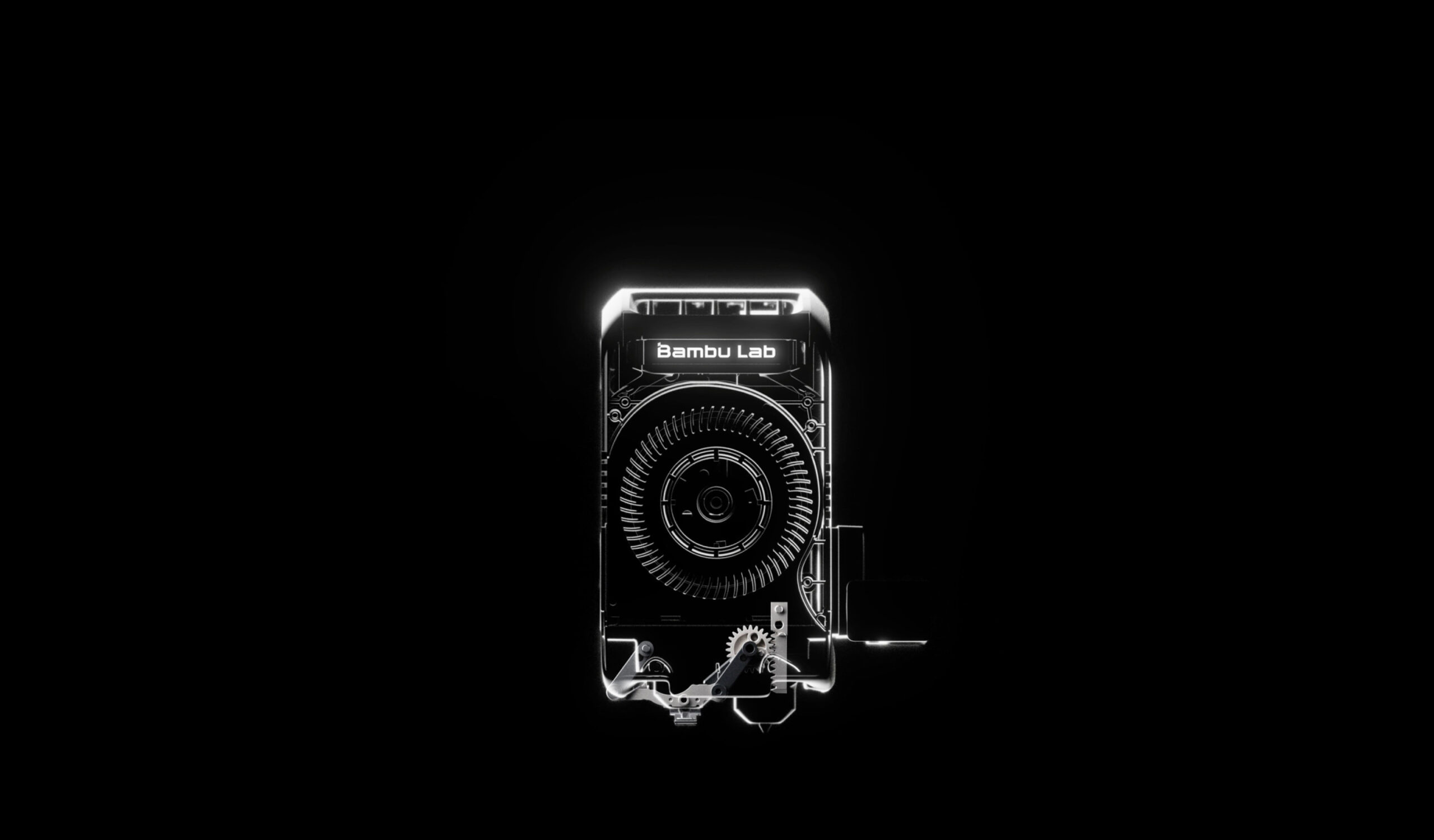
The Bambu Lab X2D will be officially unveiled on 14 April 2026 as a new dual high‑end CoreXY machine. How will it fit into the H2D/H2C ecosystem, what do the leaks suggest and what does it mean for current X1/P‑series owners?
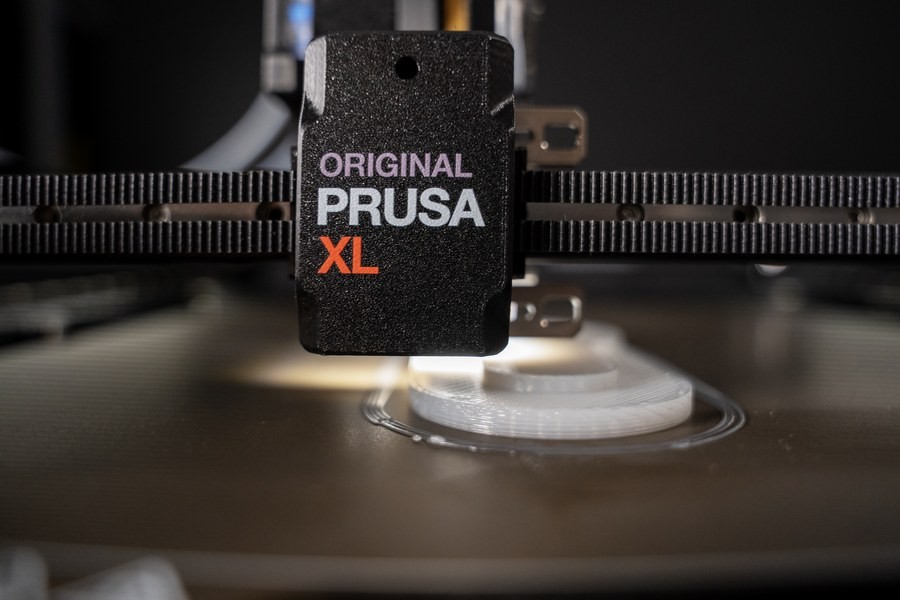
The Original Prusa XL can now handle real two-component silicone thanks to the new plug-and-play Filament2 toolhead. How does it work, what can it do, and which projects is it suitable for? A clear and practical overview.
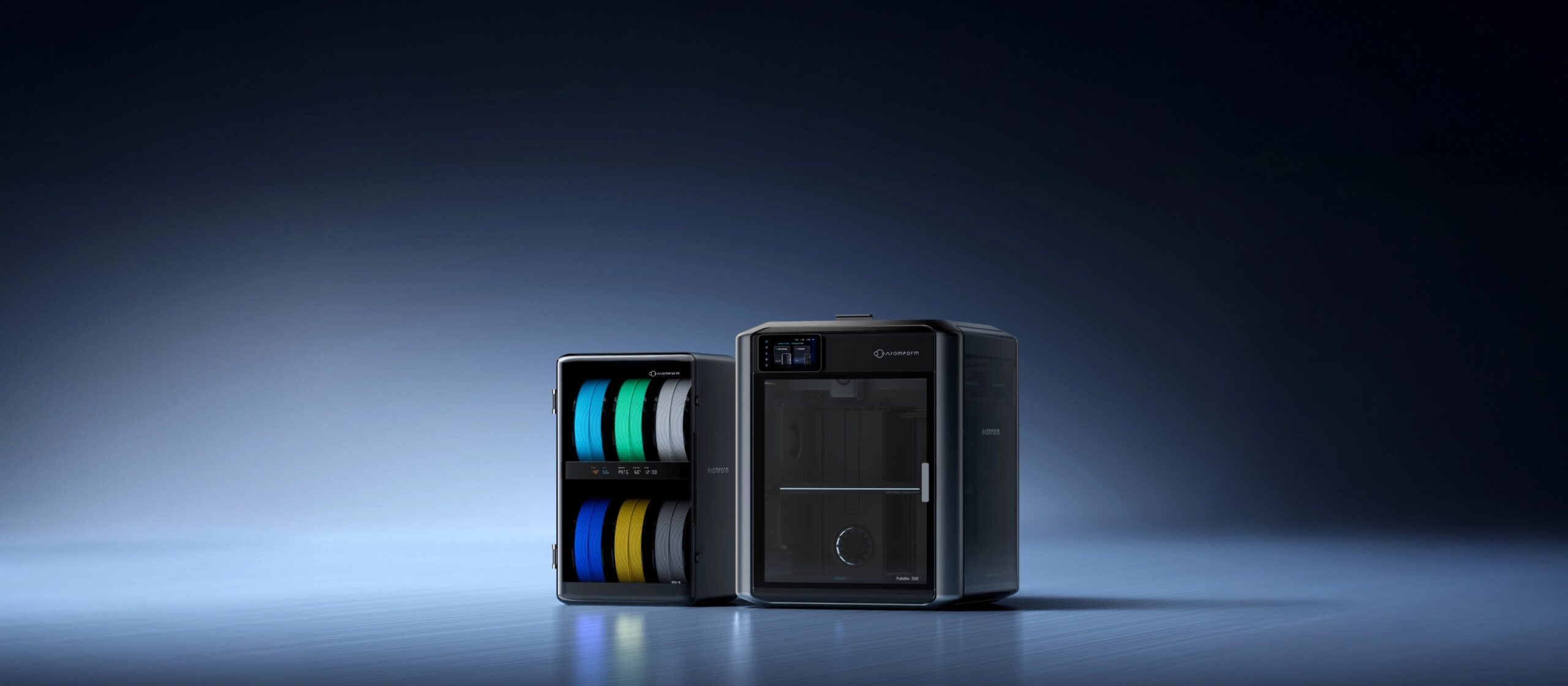
AtomForm Palette 300 is a new 12-nozzle, up-to-36-color FDM 3D printer introduced at CES 2026. How does it work, who is it for, and how does it differ from AMS/MMU systems?
The Prusa Core One with the Bondtech INDX toolchanger brings 8-material printing without purge towers and unnecessary waste. Find out how it works, how it differs from MMU, and who it is worth it for.
The MD-400D offers an efficient 3D printing solution for businesses and manufacturers looking for rapid production and printing with high-performance engineering filaments. In a rapidly digitalizing world, 3D printing has become a revolutionary technology that is transforming everything from manufacturing and construction to medicine and art. Its ability to convert digital models into tangible objects has opened up unlimited possibilities […]
Is the P1S chamber actively heated? No. The chamber temperature increases based on the heated bed temperature setting and cannot be precisely regulated. Is a filament buffer required for printing with a single filament? (For the X1 or P1 Series) When printing with a single filament spool, a buffer is not required because the filament spool itself can be considered a ‘buffer’. What […]
PlusCoreXZ 3D printer Greater support for creativity Six key advantagesFor a unique Plus experience Larger print size, greater advantagesEnder-3 V3 Plus offers a generous build volume of 300 × 300 × 330 mm.It provides valuable capacity for achieving greater ambitions. Advantages of a larger build volume New design, space-saving Ender-3 V3 Plus has been redesigned from the ground up.It takes up significantly less space than 3D printers with a similar build volume. […]
INTRODUCTION We have divided the FAQ for A1 mini into three sections: product specifications, product features, and product usage. PRODUCT SPECIFICATIONS What materials can A1 mini print? A1 mini is capable of printing a wide range of materials available on the market that do not require an enclosure. These materials include PLA, PETG, TPU, and their corresponding support filaments. It is not recommended to print filaments such as […]
Anycubic’s latest release appears to be clearly aimed at competing with the Bambu Lab A1 for our attention. Although we have not tested it yet, based on the available clues, we can start to form an idea of how it works. The Anycubic Kobra 3 is a new-generation 3D printer that appears to replace the relatively new Kobra 2 model. […]
Introduction The Y-axis of the A1 series printer uses a metal guide wheel, and this guide rail system ensures that users do not need to frequently adjust the printer’s moving components. However, regular lubrication and cleaning are necessary to reduce wear and noise, ensure the printer’s accuracy and service life, and effectively prevent the guide rail from rusting. Each printer receives a certain amount of lubricant before […]
We have divided the introductory A1 FAQ into product specifications, product features, and product usage. Product specifications What filaments can the A1 print? Low-temperature filaments such as PLA, PETG, TPU, and support materials for PLA and PETG (Support for PLA, PVA, HIPS, etc.). Common high-temperature filaments such as ABS, ASA, PC, PA, PA-CF/GF, PET-CF/GF, PPA-CF/GF, etc. Reminder: […]
Qidi Tech Q1 Pro available from us at: https://3dstisk.cz/produkt/qidi-q1-pro/ Printer features: Fully automatic calibration Print space dimensions 245245240mm Maximum active chamber heating up to 60℃ Print directly after unpacking Three highlights of the 2024 Q1 printer Independent dual Z motors Active chamber heating New tri-metal hot end More information about temperature control […]
If the CoreXZ kinematics on Creality’s new Ender 3 V3 model caught your attention, consider converting your old Ender 3 model into a Voron Switchwire. In February, Creality finally released its new Ender 3 V3 3D printer, priced at $390 and distinguished by its CoreXZ kinematics. But what if you could upgrade your old Ender 3 Pro […]