Spedizione gratuita da 1 999 Kč
Spedizione rapida
Negozio verificato
Migliaia di clienti




Spedizione gratuita da 1 999 Kč
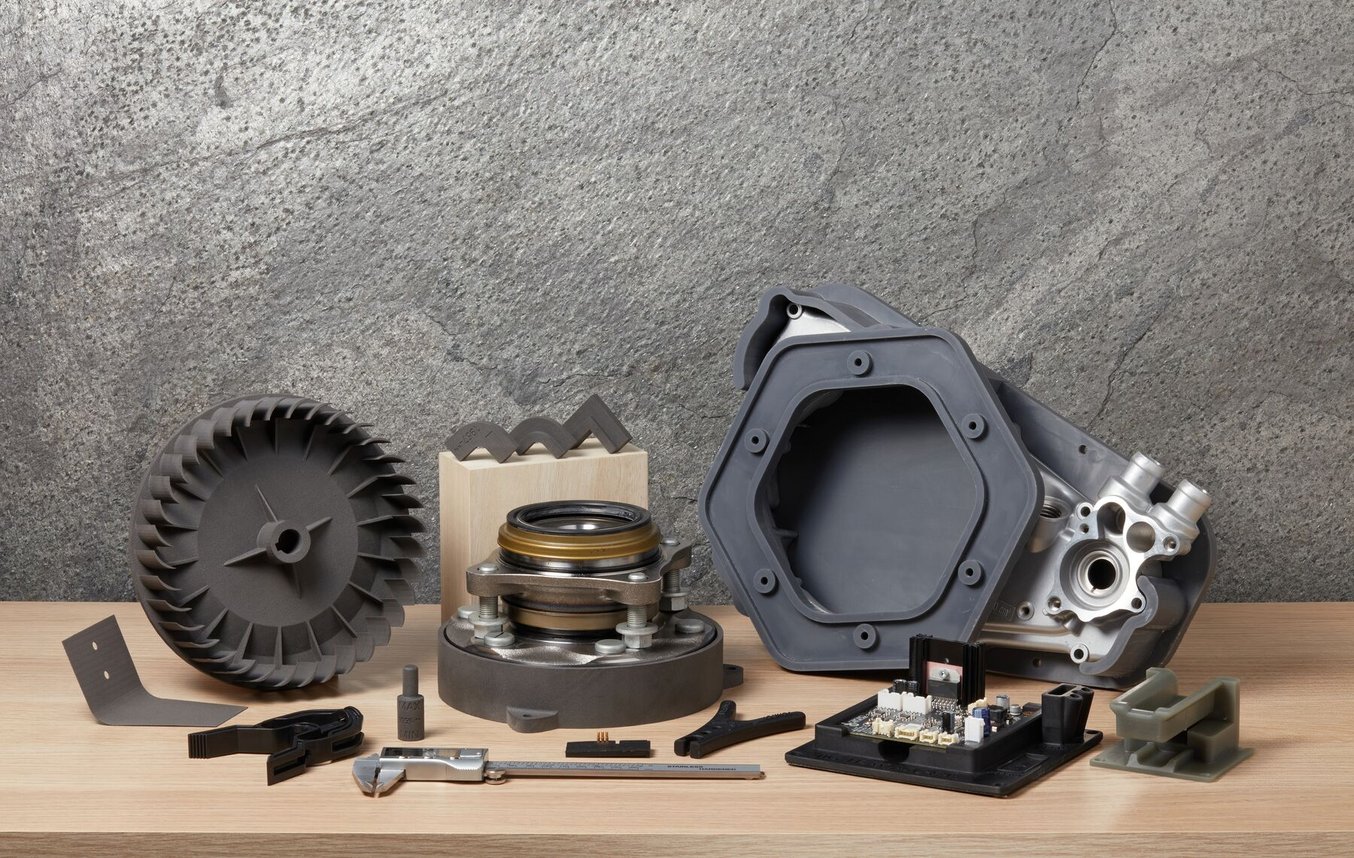
3D printing has long been more than just a quick way to create a prototype for a meeting. In manufacturing, it often pays off for finished parts, jigs, covers, brackets, measuring aids, or small product batches. That does not mean it should always replace milling and injection molding. The right question is: how many pieces do you need, how often will the part change, what load will it carry, and how expensive is waiting?
For production parts, the technology should therefore be selected not by impression, but according to total costs and risk. 3D printing can be the cheapest and fastest option for one-off and small-batch production. Injection molding wins for stable, high-volume production. CNC milling still has a strong place where you need a precise metal part, very smooth functional surfaces, or material properties that printing cannot provide.
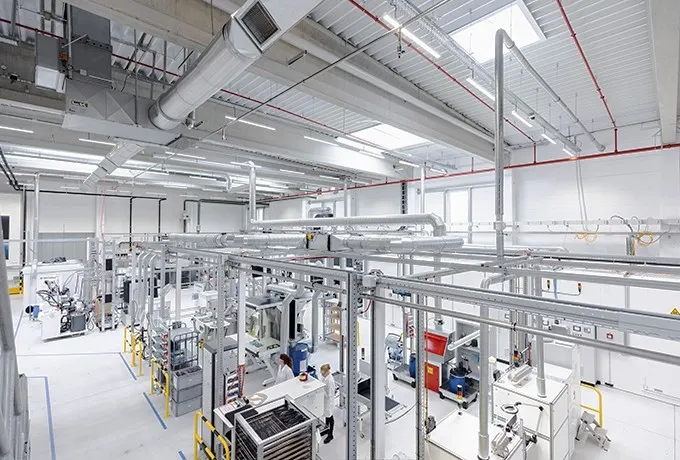
With injection molding, the price of one molded part is usually low, but the mold costs a lot of money and time. With CNC milling, you pay for programming, preparation, fixturing, machine time, and material waste from the blank. With 3D printing, you usually do not pay for a mold or complex fixtures, but the per-piece price does not decrease with volume as sharply as it does with injection molding.
Therefore, include the following in the comparison:
When discussing a pilot batch, replacement part, or production fixture, waiting and changes are often the most expensive factors. In such a situation, 3D printing can be advantageous even if the individual part costs more than a future molded part.
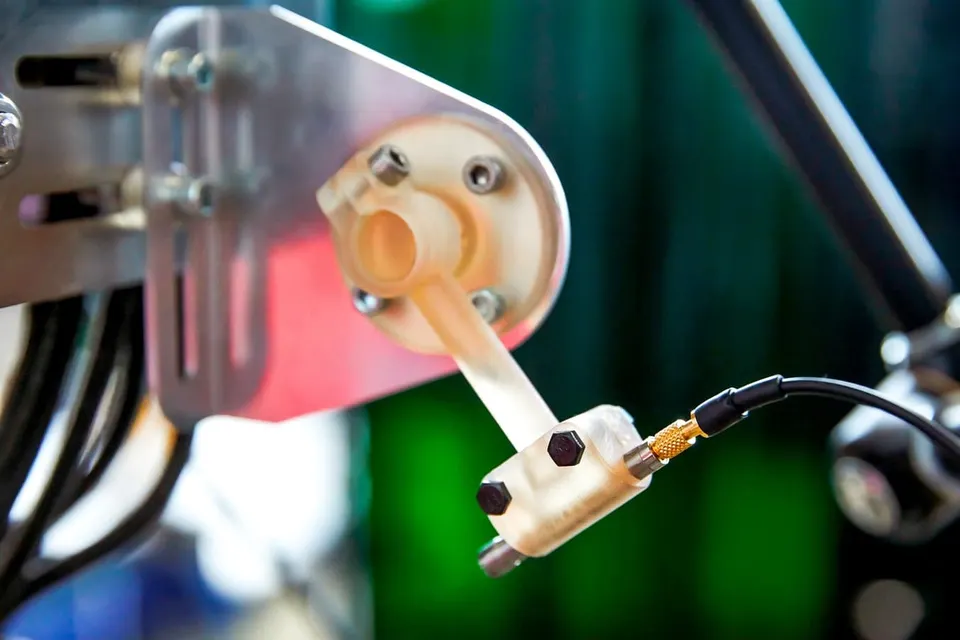
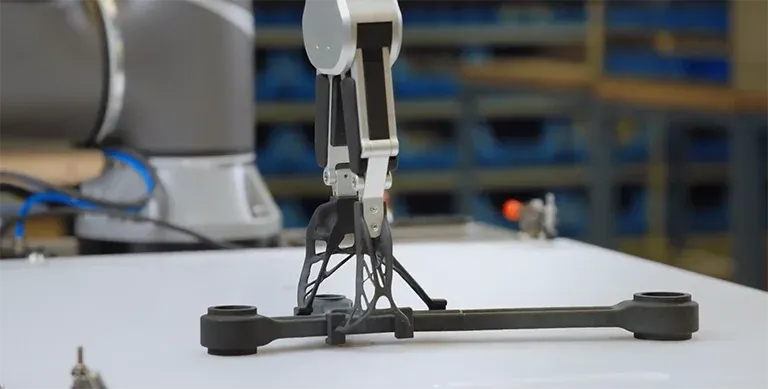
3D printing makes the most sense where you need ibility. Typically, this means batches ranging from a few units to hundreds, and for some parts, even low thousands. The decisive factor is not only the number of pieces, but also the stability of the design. If you know the part will still change after testing, a mold would unnecessarily lock you into the wrong version.
Good applications for 3D printing:
Example: you need 40 brackets for mounting a light barrier on a packaging line. The design will be fine-tuned according to the actual machine position, and the next batch may have a different angle. Here, 3D printing saves time and frustration. You print the part, test it, adjust the hole or stop, and have a new version the next day.
Milling is the better choice if the part must work in metal, must have tight tolerances on precision surfaces, will withstand high temperatures, or will be exposed to high wear over the long term. CNC also wins for simple prismatic shapes made from aluminum, stainless steel, or engineering plastics, where machining is fast and repeatable.
Typical examples for milling:
However, 3D printing and milling do not have to be mutually exclusive. A combination often works well: you produce the first fixture by printing, verify the ergonomics and tool access, and then have the final version made from metal. Or, conversely, you print inexpensive covers, plugs, and stops so that the CNC machine remains available for parts that really require precision.
Injection molding pays off mainly when the part design is complete, the part will be produced for a long time, and in large quantities. The mold is expensive, but when distributed across thousands or tens of thousands of pieces, the price of one molded part can be very low. Injection molding also offers a consistent surface, short cycle times, and a wide range of industrial plastics.
Consider injection molding if:
On the other hand, for the first 50, 200, or 500 pieces, a mold can be an unnecessarily large commitment. If, after launching the product, you discover that customers want a different hole, a stronger clip, or a repositioned connector, changing the mold is expensive. With 3D printing, you modify the model and the next batch can be different.
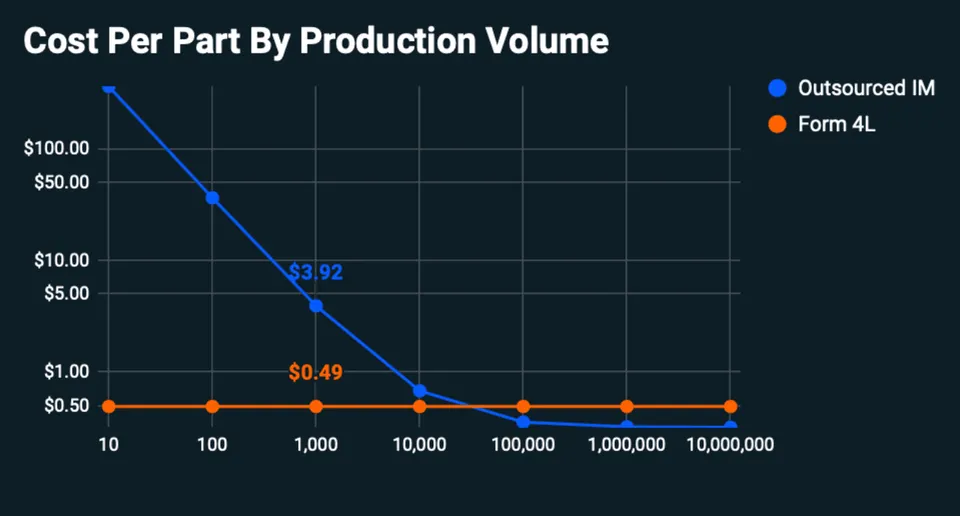
A simple calculation helps filter out emotions. Calculate the total costs for each technology:
celkem = fixní náklady + počet kusů * cena za kus + dokončení + riziko změn
Illustrative example: a 3D-printed cover costs 120 Kč per piece. An injection-molded cover would cost 20 Kč per piece, but the mold costs 80 000 Kč. The difference in the per-piece price is 100 Kč, so the pure break-even point is 800 pieces. Below 800 pieces, printing is cheaper; above 800 pieces, the mold starts to make sense.
In reality, also add time and risk. If the mold takes six weeks and the first batch may reveal a design flaw, the real break-even point shifts higher. If the design is one hundred percent stable and you need 10 000 pieces, injection molding will almost certainly be more suitable.
The calculation is similar for CNC. If the part is simple and the machine can produce it in a few minutes, milling can win even for a smaller batch. If the shape is organic, has cavities, ribbing, a lightweight lattice, or many variants, 3D printing gains the advantage.
For manufacturing, it is not enough to say that the part will be printed. You must choose the technology and material according to the environment.
FDM printing is affordable, fast, and excellent for fixtures, covers, brackets, and functional plastic parts. PETG is a good all-purpose material for the workshop, ASA is suitable for outdoor use due to its UV resistance, nylon is suitable for tough parts, and carbon-fiber composites increase stiffness. For loaded parts, however, consider the layer direction. A part is usually weakest in the direction where the layers can separate from one another.
SLA printing is precise and smooth, making it suitable for fine models, templates, measuring aids, or parts with detailed surfaces. For impact loads and heat, you need to select the right resin and verify it in operation.
SLS or MJF are suitable for professional nylon plastic batches where you do not want supports and need more consistent mechanical behavior than with standard FDM. For an e-commerce store or manufacturing company, this often makes sense for hundreds of small technical parts.
A part designed for milling is not necessarily a good part for printing. With 3D printing, use ribs instead of solid material, round off sharp corners, enlarge mating surfaces, and add metal threaded inserts where the part will be screwed together frequently. Design screw holes with some allowance, and preferably drill or calibrate critical surfaces after printing.
Before production, make one validation batch. Measure the dimensions, try the assembly, let the part operate for a day in the real environment, and only then print a larger quantity. For production fixtures, mark the version directly on the part. When someone asks six months later which template worked best, you will not have to guess.
Before commissioning production, go through this short list:
If the answers point to a small batch, rapid changes, and a functional plastic part, 3D printing is a strong candidate. If they point to a stable product in high volume, injection molding will probably be cheaper. If metal, precision, and long-term load are decisive, consider CNC.
3D printing pays off in manufacturing mainly where a mold or machining fixture would be too slow, expensive, or restrictive. It offers the greatest value for small-batch parts, fixtures, custom variants, replacement parts, and designs that are still being refined. Milling and injection molding remain the best choices for precise metal parts and large, stable batches.
Do not treat 3D printing as a cheaper replacement for everything. Treat it as a manufacturing tool that allows you to validate, modify, and produce exactly as many pieces as you need at the moment. In modern manufacturing, the technology with the lowest per-piece price does not always win; it is often the one that best fits the product stage and the actual risk of changes.


