Darmowa dostawa od 1 999 Kč
Szybka wysyłka
Zweryfikowany sklep
Tysiące klientów




Darmowa dostawa od 1 999 Kč
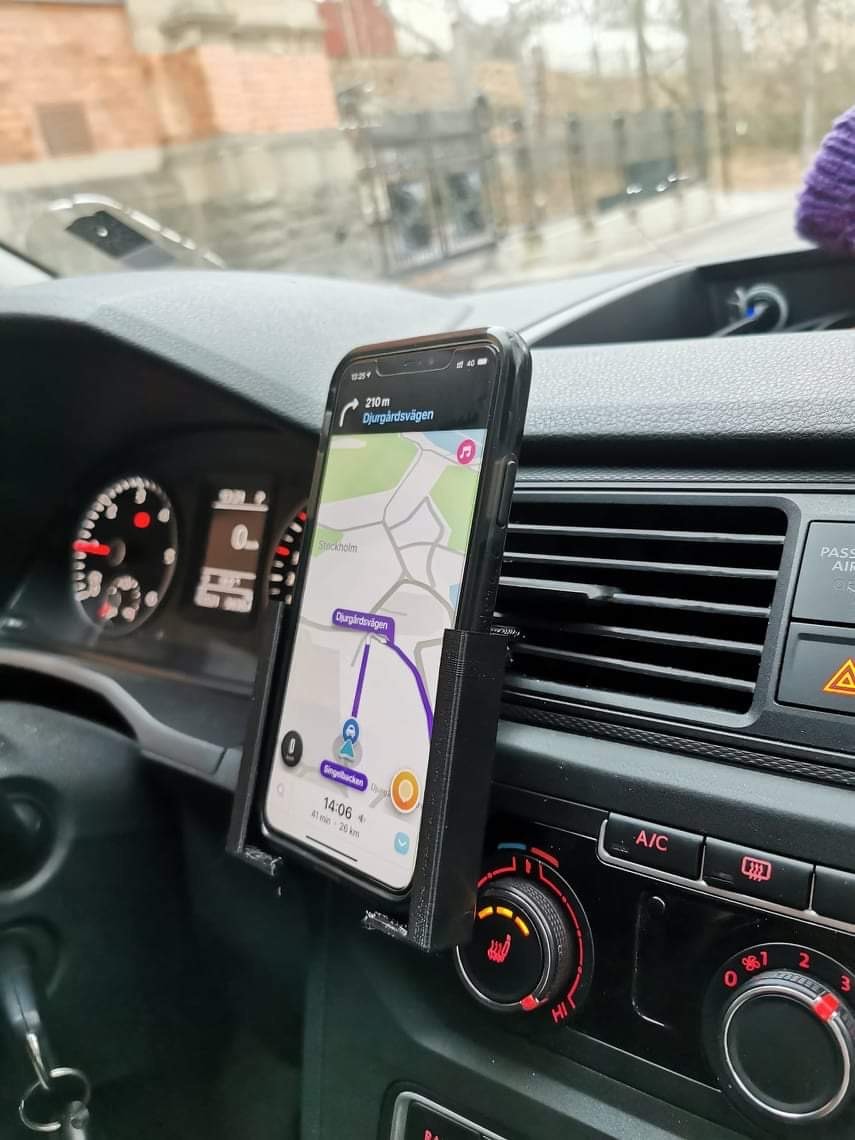
A summer car is a harsher environment for 3D printing than it may seem at first glance. The air outside may be 30 °C, but the dashboard, a holder attached to the glass, or a dark part in direct sunlight can get much hotter. That is why beginners often experience the same thing: a PLA print looks perfect at home, but after one day in the car it bends, warps, or stops retaining its dimensions.
The good news is that most practical accessories for cars and outdoors can be printed. You just need to choose the material not according to what is easiest to print, but according to where the part will actually live: in the shade, on glass, in the trunk, on a fence, in the garden, or on a facade.
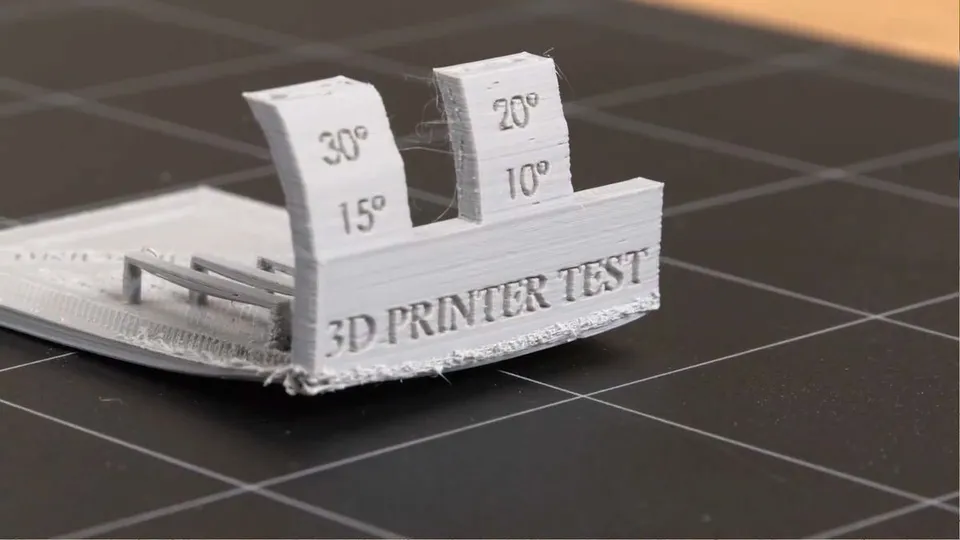
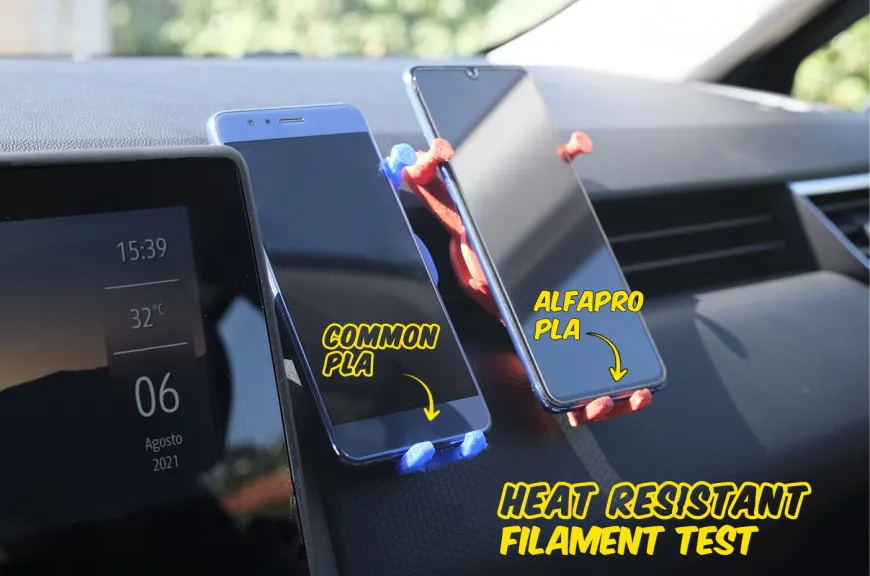
Treat PLA as a material for indoor environments, prototypes, and decorations. Do not plan to use it in a car during summer or in direct sunlight unless you do not mind the part becoming deformed.
PETG is a good all-rounder for moisture, moderate heat, and outdoor parts without heavy loads. It can work in less exposed areas of a car, such as the trunk or inside the center console, but it is risky on the dashboard and under mechanical tension.
ASA is the most practical choice for long-term sunlight exposure, cars, gardens, and outdoor mounts. It withstands heat and UV radiation better than PETG, but requires a more enclosed printing environment and good ventilation.
PET-CF or PETG-CF adds rigidity and reduces bending under load. It is not an automatic replacement for ASA in sunlight, but makes sense for rigid holders, spacers, and parts that must not warp as much in heat.
| Material | When it makes sense | Risk in cars and sunlight |
|---|---|---|
| PLA | prototypes, interiors, short-term tests | softens at around 50 to 60 °C, and can deform quickly in a car |
| PETG | humid environments, shade, less loaded outdoor parts | better than PLA, but may eventually loosen on the dashboard and under tension |
| PETG-CF / PET-CF | rigid functional parts, warmer areas without extreme UV | higher rigidity, but still check UV resistance and the manufacturer's recommendations |
| ASA | long-term outdoor use, cars, sunlight, holders, and caps | a better choice for heat and UV, more demanding to print |
| ABS | warm interior parts, technical components in the shade | withstands heat, but ages less well outdoors under UV than ASA |
| PC and engineering materials | very hot, highly stressed parts | demanding to print, more expensive, requires a suitable printer |
Temperature resistance is not the same as melting temperature. A part does not have to melt to fail. It is enough for it to soften, lose rigidity, and change shape under its own weight or the pressure of a screw.
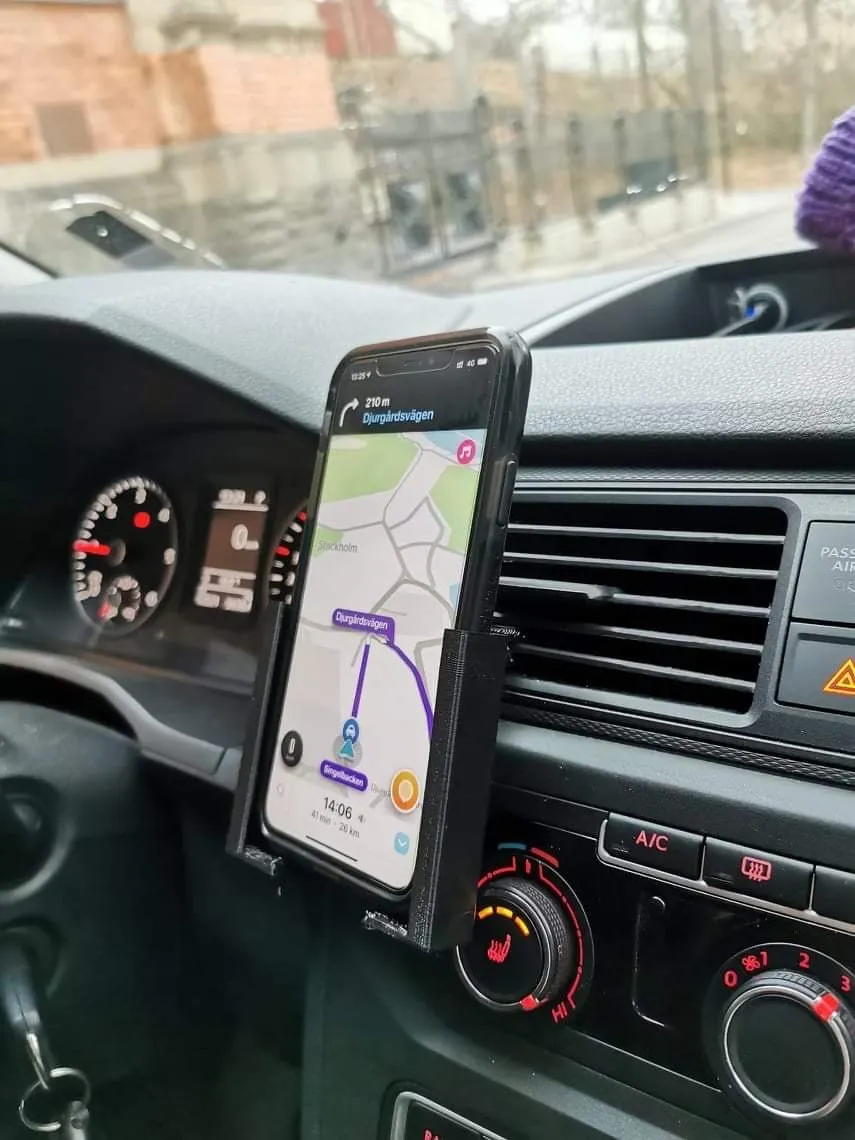
Phone holders are among the most common models, but also among the riskiest. If the holder is near the glass, on the dashboard, or grips the phone with a ible part, skip PLA. In summer, the holder's angle may change, the jaw may loosen, or a thin tab may break off.
Use PETG for a short test, but preferably print the final part from ASA. Add larger radii to the corners of holders, use more perimeters, and orient the layers so that stressed tabs do not break off along the layer lines.
Small cable clips look harmless, but they are often attached near the center tunnel or close to a heating vent. PLA may soften in the heat and the cable will start falling out.
PETG is usually sufficient for cable clips if they are not in direct sunlight. For a car with a black interior or a location near the glass, ASA is safer. Leave a little clearance in clips, because an overly tight clip will remain under constant stress in the heat.
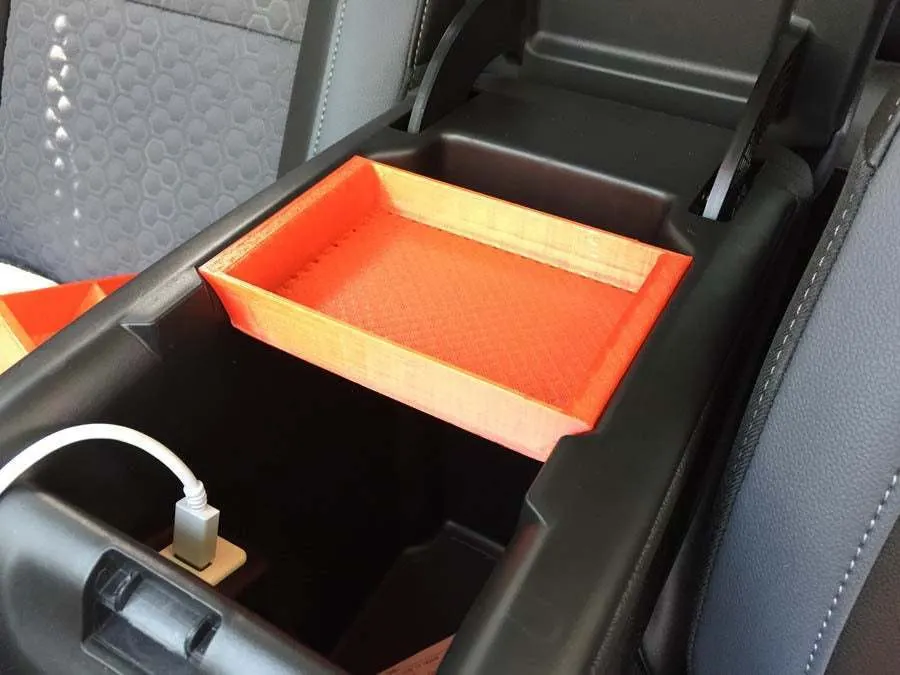
Inserts for armrests, compartments, and cup holders are ideal candidates for PETG. They are generally not in direct sunlight, do not need extreme UV resistance, and benefit from the material's toughness.
PLA can work in a car that is not parked in the sun, but it is not a reliable choice. If the organizer sits directly under the windshield or has thin dividers, choose ASA or a stronger PET-CF.
A hook for a bag, net, or cable in the trunk is practical, but it must be designed according to the load. The material is not the only factor. Thickness, layer direction, the number of walls, and the mounting method all matter.
PETG is a good choice for lighter bags and cables. ASA is suitable if the hook remains permanently in the car and the trunk gets very hot in summer. Do not use 3D prints for heavy shopping, child seats, straps, or anything safety-related without technical verification.
Small clips often fail not because of temperature, but because of a fragile design. A thin PLA tab can bend in summer and crack in winter. PETG is tougher, but may be softer for precise latches.
Choose ASA for parts near the roof and windshield. For ible latches, increase the cross-section, round the inside corners, and remember that FDM layers are not equally strong in all directions.
Thin holders attached to glass are exactly the type of part that quickly reveals PLA's limitations. A thin wall and direct sunlight are enough for the part to bend like a leaf.
PETG can handle more, but if the holder should remain straight and attractive all summer, ASA is a safer choice. Print it in a lighter color, because dark parts heat up significantly more in the sun.
Caps and plugs are rewarding prints: small, quick, and often unavailable as original replacement parts. If they are inside the car in the shade, PETG is usually a sensible choice. If they are outdoors on the bodywork, a carrier, or roof rails, choose ASA.
Pay attention to tolerance with caps. A material that softens in the heat can become permanently deformed when snapped into place. A slightly looser shape with mechanical retention is better than an overly aggressive latch.
Outdoor cable clips must withstand UV radiation, rain, and temperature fluctuations. PLA does not belong here. Use PETG only for temporary, shaded, or easily replaceable clips.
ASA is more suitable for long-term outdoor use. Design screw holes with a larger area around the opening, place a washer under the screw, and do not overtighten the joint. Plastic expands and contracts in the heat, and an overtightened screw can create a crack.
Garden holders often combine moisture, sunlight, and mechanical load. PETG is good for lighter holders in the shade, such as hooks for small tools in a shed. ASA is better for a hose holder on a south-facing wall.
Do not skimp on material for these parts. Add walls, increase infill only where it helps, and above all use ribs or a larger cross-section. A thicker geometry made from a good material will last longer than a delicate model printed from expensive filament.
Electronics covers must address heat, water, and dimensional stability. PETG is popular because of its good toughness and lower printing requirements, but in direct sunlight it may eventually lose its appearance and some of its properties.
ASA is more suitable for covers that will remain outdoors for months or years. If there is electronics inside, consider ventilation, water drainage, a drip edge, and a light color. The material itself cannot save a poorly designed enclosure.
PLA most often fails in three situations. The first is a thin part on the dashboard or behind glass. The second is a part under constant tension, such as a clip, ible jaw, or hook. The third is a dark outdoor part in direct sunlight.
The problem is not only a one-time peak temperature. Even a lower temperature over a longer period can cause the material to creep slowly. The part may not be destroyed immediately, but after weeks it will begin to have a different shape, less clamping force, or a worse fit.
PLA still has its place. Print a test model with it to verify dimensions, ergonomics, and assembly. For a final part exposed to heat, however, reprint it using a more suitable material.
Material is only half the story. For cars and outdoor use, several simple rules are worth following:
For functional parts, use more perimeters, for example four to six walls depending on the size of the component. For hooks and holders, a higher number of walls often helps more than high infill.
If you want to print car accessories without spending too much time thinking about it, use a simple filter. PLA only for prototypes. PETG for interior organizers, less stressed clips, and parts in the shade. ASA for dashboards, areas near glass, outdoor caps, and anything that will remain in the sun all summer. Use PET-CF or PETG-CF where you need rigidity and less bending, but always verify the temperature and UV parameters of the specific filament.
Be careful with parts that hold safety-critical components or affect the steering, airbags, belts, brakes, carriers, or the car's electrical system. 3D printing is excellent for organizers, caps, clips, and practical accessories. It is not an automatic replacement for a certified automotive part.
The best approach is simple: prototype in PLA, verify the dimensions, and print the final part in PETG or ASA depending on the environment. This will save you material, frustration, and the typical summer surprise when a beautiful print stops looking like an engineered part after a weekend in the sun.


