





3D Stisk
Inicio
Servicios

    Categories

    Videos

    No Results

    Articles

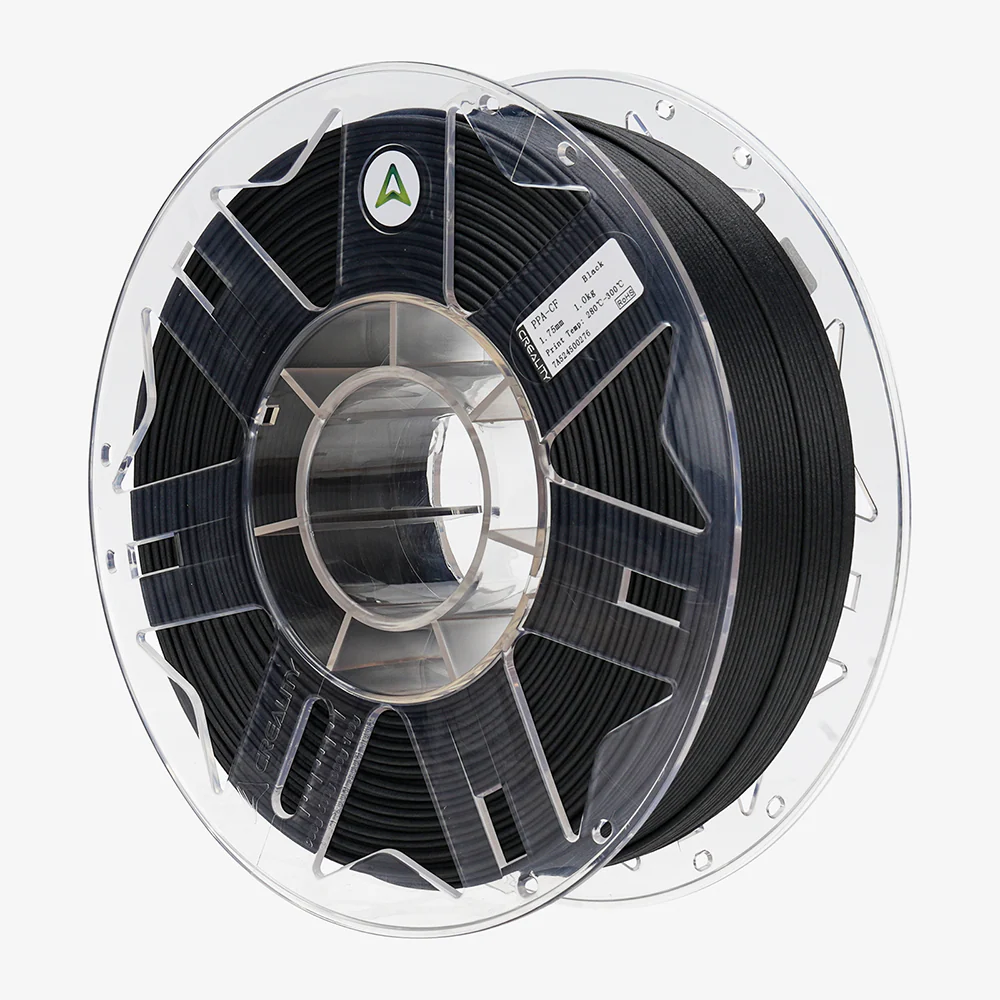
    Nylon filament: PA6, PA12, PA-CF and when to use it

    Nylon filament is suitable for functional parts that need to withstand friction, impacts, and repeated stress. PA6 offers high performance, PA12 easier printing, and PA-CF stiffness and improved dimensional stability. The key is proper drying, dry storage, and a suitable nozzle.

    wpapi Návody

    How to achieve the first layer in 3D printing

    FDM 3D printing (Fused Deposition Modeling – printing with thermoplastic filament) requires the first layers of the printed object to adhere firmly to the print bed. Adhesion to the print bed is therefore crucial for print success – the first layer forms the foundation of the entire printed part. If the first layers do not adhere sufficiently, the model may shift or detach during printing, which usually […]

    TPU Printing Guide

    Step 1: Preparation Before Printing (1) Filament PreparationSelect TPU with the appropriate hardness. Various levels of TPU hardness are available in the industry. Listed in descending order of hardness, they are as follows: 77D > 70D > 55D > 95A > 85A > 83A > 80A > 75A > 70A.TPU with hardnesses of 95A, 85A, 83A, and 80A is moderately hard and […]

    Keira Uncategorized

    A1 mini FAQ – Questions and Answers

    INTRODUCTION We have divided the FAQ for A1 mini into three sections: product specifications, product features, and product usage. PRODUCT SPECIFICATIONS What materials can A1 mini print? A1 mini is capable of printing a wide range of materials available on the market that do not require an enclosure. These materials include PLA, PETG, TPU, and their corresponding support filaments. It is not recommended to print filaments such as […]

    Nozzle Flow Dynamics Calibration

    Instructions for performing flow dynamics calibration in Bambu Studio What is flow dynamics calibration? From fluid mechanics, we know that when a Newtonian fluid flows through an opening, it requires pressure, and the pressure is proportional to the flow rate. Filament, which is not a rigid body, will be compressed during extrusion to create the necessary pressure. This compression process causes a delay in the response of the actual flow rate, […]

    Keira Slicer