Doprava zdarma od 1 999 Kč
Rychlá expedice
Ověřený obchod
Tisíce zákazníků




Doprava zdarma od 1 999 Kč
The Ultimate Guide to Filaments
The main types of filament for 3D printers, their uses, properties, and where you can buy them. Find the best filament for your 3D printer according to your needs!
Getting a 3D printer opens the door to a universe full of possibilities. Whether it is something functional like a prosthetic or something recreational like miniature figurines for tabletop games – one common need connects them all: filament for a 3D printer.
Filament for 3D printers is the raw material that keeps your printing running. You have plenty of options when choosing the right filament. But what types of filament for 3D printers are there, and when and which ones should you use?
Below, we cover all the common filaments for 3D printers, such as PLA and PETG, plus tougher materials for engineering purposes and special ones that allow you to be creative (often referred to as “exotic”). Besides nylon, polycarbonate, carbon fiber, and polypropylene, there are also special blends with unusual properties, such as electrical conductivity and luminescence.
With such variety at your fingertips, it is easier than ever to create functional, visually striking, and high-performance prints. To help you find the right materials, here is our buying guide to filament for 3D printers – dozens of filament types divided into three sections: basic, exotic/recreational, and professional.
BASIC TYPES OF FILAMENT
This first category represents the six most commonly used types of filament for 3D printing in desktop 3D printers, all popular for their ease of use and physical properties.
PLA
WHAT IS PLA?
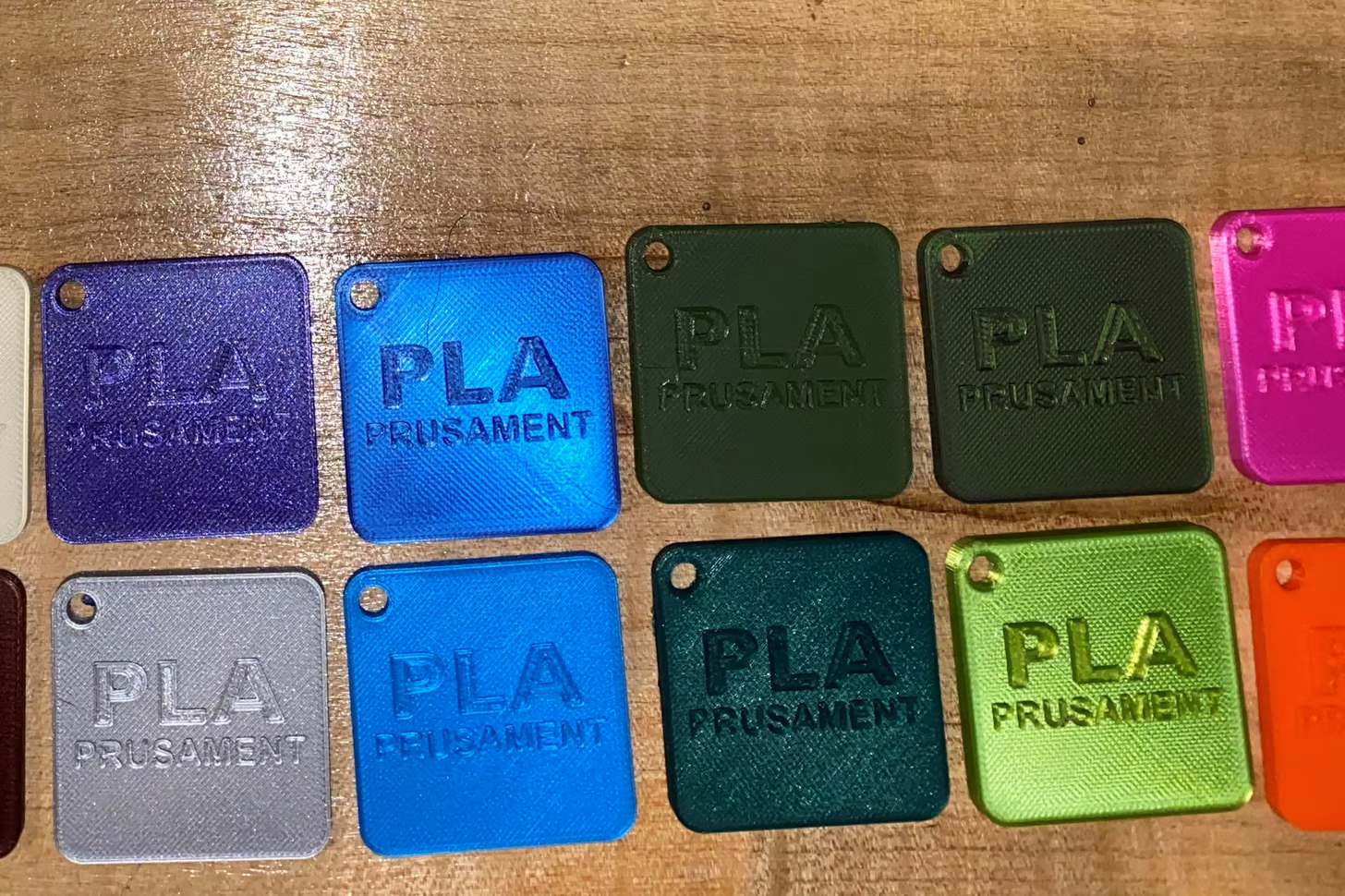
In the world of consumer 3D printing, polylactic acid (PLA) is king. Although it is often compared to ABS – probably next in line for the throne – PLA is unquestionably the most popular type of filament for 3D printers, and for good reason.
3D PRINTING FILAMENT PROPERTIES: PLA
MORE INFORMATION
The first and most important factor is that PLA is easy to print. It has a lower printing temperature than ABS and does not warp as easily, meaning a heated print bed is not required (although it definitely helps). Another advantage of using PLA is that it does not emit an unpleasant odor during printing (unlike ABS). It is generally considered odorless, but many people report smelling sweet, candy-like scents depending on the type of PLA.
Another appealing aspect of PLA is its almost endless availability of colors and styles. As you will see in the exotic section, many of these special filaments use PLA as their base material, including those with conductive or glow-in-the-dark properties and those mixed with wood or metal.
PLA is somewhat more environmentally friendly than many other filaments for 3D printers. Under certain commercially available conditions, it will biodegrade. However, home composting is not possible, which makes us hesitant to claim that the material is significantly “green,” but it can be said to be better than some others.
WHEN SHOULD I USE PLA FILAMENT FOR 3D PRINTERS?
In this case, the better question might be “when shouldn’t I use PLA?” Compared with other types of filament for 3D printers, PLA is brittle, so avoid using it when creating objects that may be bent, twisted, or repeatedly dropped, such as phone cases, high-wear toys, or tool handles.
You should also avoid using it with objects that need to withstand higher temperatures, because PLA typically deforms at temperatures of 60 °C and above. For all other applications, PLA is generally a good choice of filament for 3D printing.
Common prints include models, low-wear toys, prototype parts, and containers.
PLA FILAMENT FOR 3D PRINTERS SUMMARY
ABS
WHAT IS ABS?
Acrylonitrile butadiene styrene (ABS) is less popular than PLA for everyday 3D printing. However, in terms of material properties, ABS is actually moderately superior to PLA, although it is more difficult to print – it is prone to warping without a heated print bed and bed adhesive.
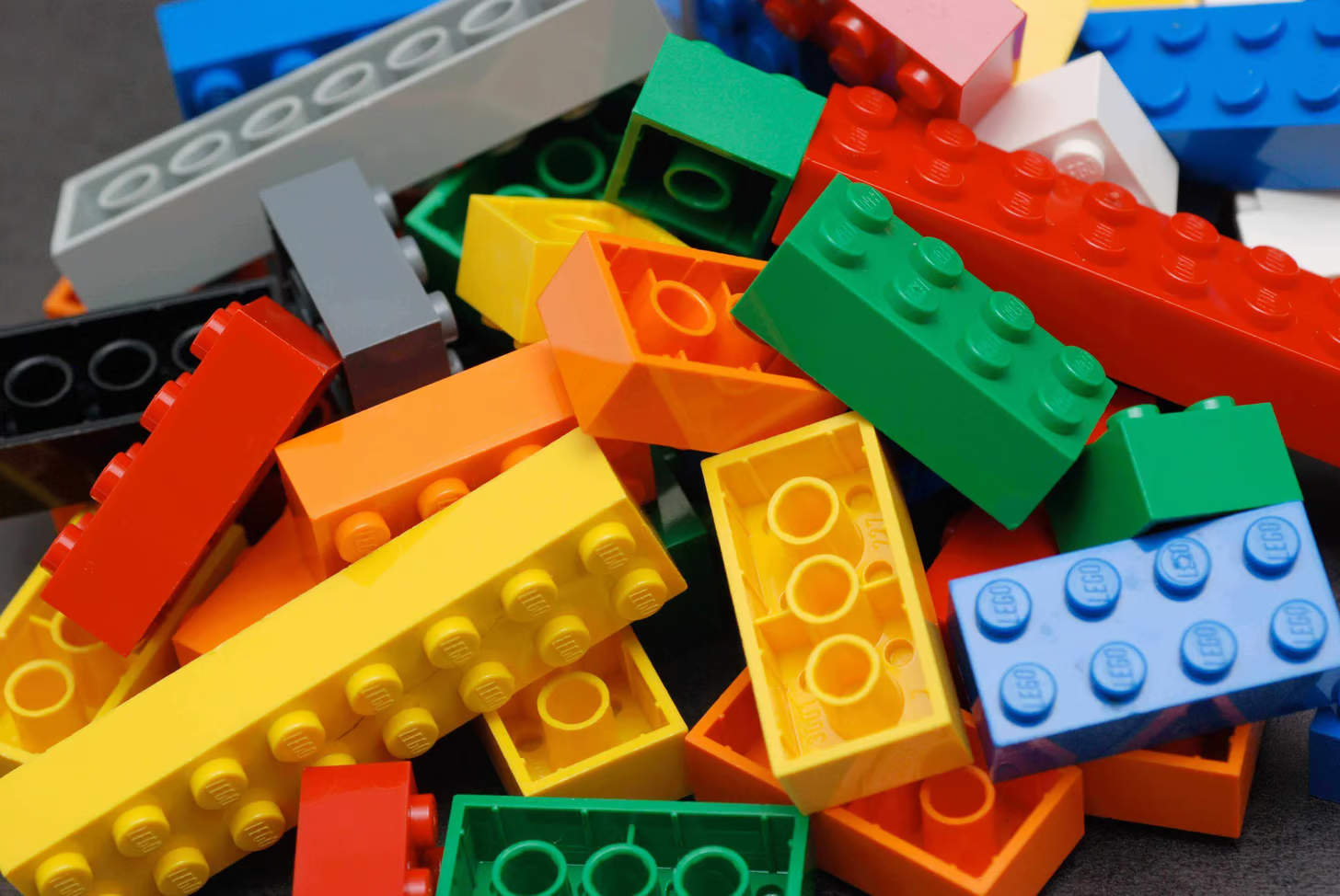
Commonly used in plastic injection molding, ABS is found in many household and consumer products, including LEGO bricks and bicycle helmets.
3D PRINTING FILAMENT PROPERTIES: ABS
MORE INFORMATION
Products made from ABS boast high durability and the ability to withstand high temperatures, but 3D printing enthusiasts should be aware of the filament’s high printing temperature, tendency to warp when cooling, and intense, potentially dangerous fumes. Make sure to print with a heated bed and in a well-ventilated area (or using an enclosed printing chamber).
WHEN SHOULD WE USE ABS FILAMENT FOR 3D PRINTERS?
ABS is durable and can withstand high stress and temperatures. It is also moderately ible, although there are certainly better options further down this list. These properties make ABS a suitable general-purpose 3D printing filament, but where it truly excels is in objects that are frequently handled, dropped, or heated. Examples include phone cases, high-wear toys, tool handles, automotive interior components, and electrical enclosures.
ABS FILAMENT FOR 3D PRINTERS SUMMARY
PETG (PET, PETT)
WHAT IS PETG?
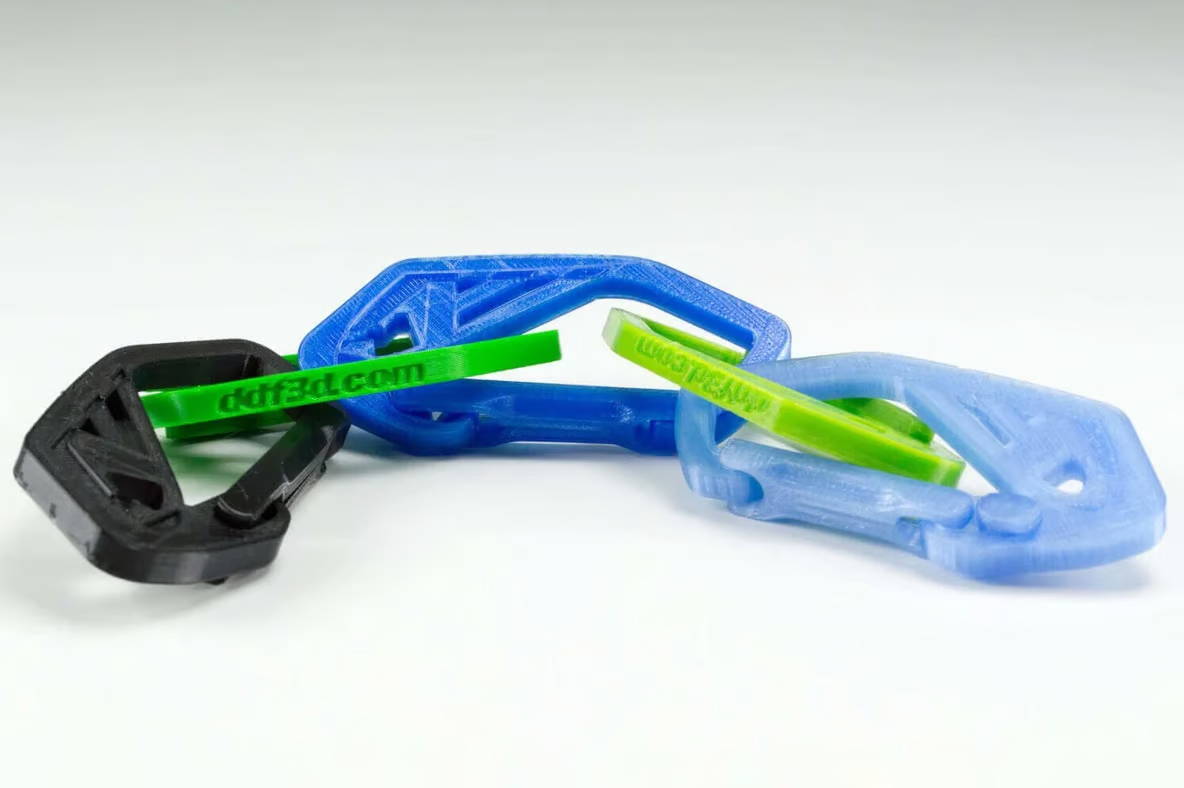
Polyethylene terephthalate (PET) is one of the most widely used plastics in the world. It is best known as the polymer used in water bottles, but it is also found in clothing fibers and food packaging. While “pure” PET is rarely used in 3D printing, its variant PETG is an increasingly popular 3D printing filament.
3D PRINTING FILAMENT PROPERTIES: PETG (PET, PETT)
MORE INFORMATION
“PETG” stands for “polyethylene terephthalate glycol.” As a material for 3D printing, it is naturally more translucent, less brittle, and above all easier to print than its base form. For this reason, PETG is often considered a good middle ground between ABS and PLA, two other commonly used types of 3D printing filament – it is more ible and durable than PLA and easier to print than ABS.
Polyethylene trimethylene terephthalate (PETT) is another variant of PET. Slightly stiffer than PETG, this 3D printing filament is popular for its transparency.
Three things 3D printing enthusiasts should keep in mind when using PETG:
WHEN SHOULD I USE PETG (PET, PETT) FILAMENT FOR 3D PRINTERS?
PETG is a good general-purpose material, but it stands out among many other types of 3D printing filament thanks to its ibility, strength, and resistance to high temperatures and impacts. This makes it an ideal filament for functional objects that may be exposed to prolonged or sudden stress, such as mechanical parts, printer parts, and protective components.
PETG FILAMENT FOR 3D PRINTERS SUMMARY
TPE, TPU, TPC (FLEXIBLE)
WHAT IS TPE?
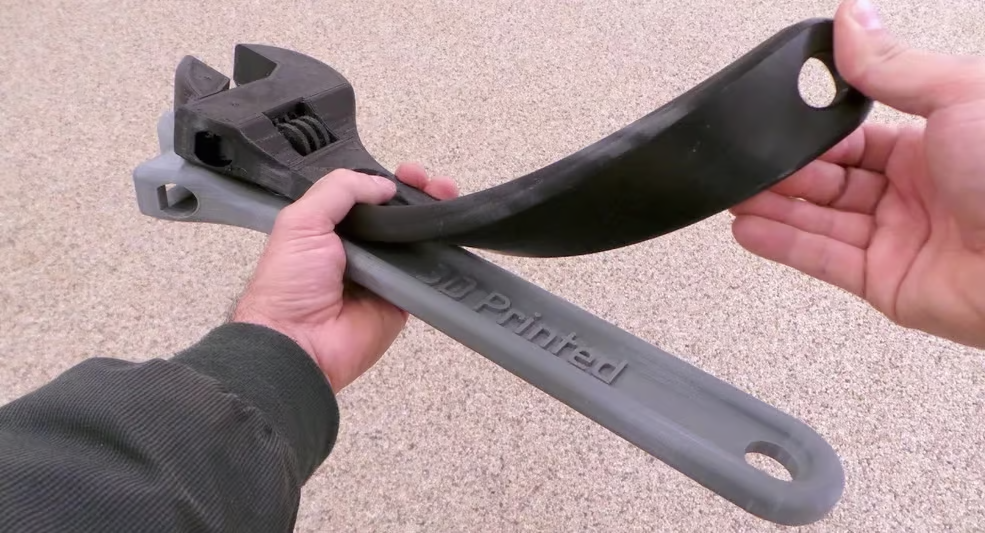
As the name suggests, thermoplastic elastomers (TPE) are essentially plastics with rubber-like properties, making them extremely ible and durable. TPE is therefore commonly used to manufacture automotive parts, household appliances, and medical supplies.
3D PRINTING FILAMENT PROPERTIES: TPE, TPU, TPC (FLEXIBLE)
MORE INFORMATION
TPE is actually a broad class of copolymers (and polymer blends), but it is still used to refer to many commercially available types of 3D printing filament. Soft and ible, these filaments can withstand physical stress that neither ABS nor PLA can endure. On the other hand, printing is not always easy, as extruding TPE can be difficult.
Thermoplastic polyurethane (TPU) is a special type of TPE and a popular 3D printing filament. Compared with general TPE, TPU is slightly stiffer – making it easier to print. It is also somewhat more durable and retains its ibility better in cold conditions.
Thermoplastic copolyester (TPC) is another type of TPE, although it is not used as often as TPU. Like TPE, TPC’s main advantage is its greater resistance to chemicals and UV radiation, as well as heat (up to 150 °C).
WHEN TO USE TPE, TPU, OR TPC 3D PRINTING FILAMENT?
Use TPE or TPU when creating objects that will be subject to heavy wear. If your 3D-printed part bends, stretches, or compresses, these types of filament should be able to handle the task. Examples of printed objects may include toys, phone cases, or wearable items (such as bracelets). TPC can be used for similar applications, but it is especially suitable for harsher environments, such as outdoors, or anywhere it will be exposed to high temperatures, such as inside a car.
3D PRINTING FILAMENT SUMMARY: TPE/TPU/TPC
NYLON (PA)
WHAT IS NYLON?
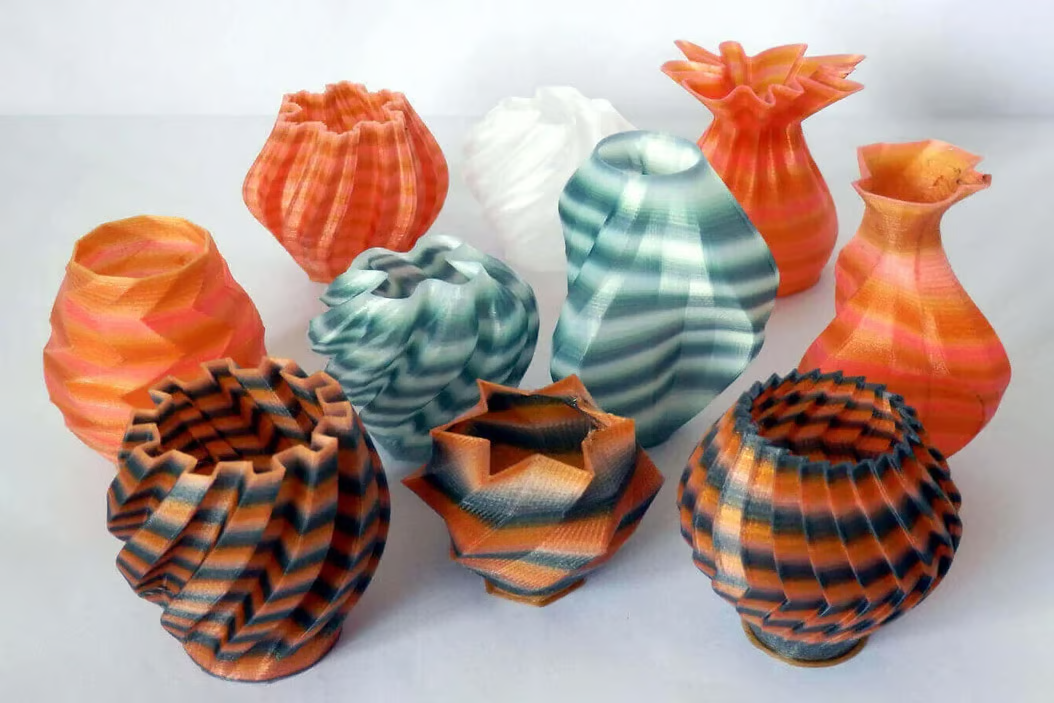
Nylon, also known as polyamide (PA), is a popular family of synthetic polymers used in many industrial applications and is a material frequently used in powder fusion 3D printing. As a 3D printing filament, it excels in situations where strength, ibility, and durability are key requirements.
3D PRINTING FILAMENT PROPERTIES: NYLON
MORE INFORMATION
Another unique property of this 3D printing filament is that you can dye it either before or after printing. The downside is that nylon, like PETG, is hygroscopic, meaning that it absorbs moisture, so remember to store it in a cool, dry place to ensure that the filament remains in optimal condition and that prints are of higher quality.
WHEN TO USE NYLON 3D PRINTING FILAMENT
By taking advantage of nylon’s strength, ibility, and durability, this type of 3D printing filament can be used to create tools, functional prototypes, or mechanical components (such as hinges, buckles, or gears).
3D PRINTING FILAMENT SUMMARY: NYLON
PC (POLYCARBONATE)
WHAT IS PC?
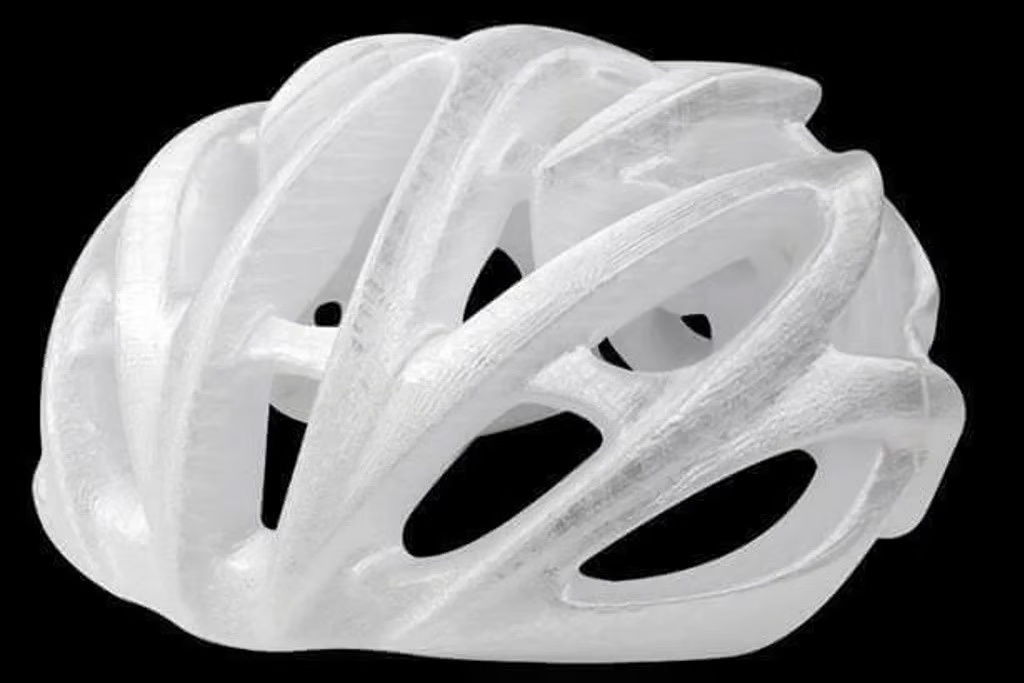
Polycarbonate (PC), besides being among the strongest 3D printing filaments presented in this list, is extremely durable and resistant to both physical impact and heat – capable of withstanding temperatures of up to 110 °C. It is also naturally transparent, which explains its use in commercial items such as bulletproof glass, diving masks, and electronic displays.
3D PRINTING FILAMENT PROPERTIES: PC
ADDITIONAL INFORMATION
Although it is used in the same situations, PC should not be confused with acrylic or plexiglass, which tend to break or crack under pressure. Unlike these two materials, PC is slightly ible (although not as much as, for example, nylon), allowing it to bend until it eventually deforms.
PC 3D printing filament is hygroscopic and absorbs water from the air, so remember to store it in a cool, dry place to ensure better print quality.
WHEN TO USE 3D PRINTING FILAMENT: PC
Thanks to its physical properties, PC is an ideal 3D printing filament for parts that need to retain their strength, durability, and shape at high temperatures, such as electrical, mechanical, or automotive components. You can also take advantage of its optical transparency for lighting projects, screens, and other applications that require transparency.
3D PRINTING FILAMENT SUMMARY: PC
EXOTIC AND ORIGINAL TYPES OF 3D PRINTING FILAMENTS
Having properly acknowledged the “Big Six,” the gods of 3D printing, they should now be satisfied. It is time to move on to something a little more fun!
Above, we focused mainly on physical properties such as strength, ibility, and durability; other types of 3D filaments are popular thanks to their surface finish, composition, and other special properties.
Thanks to the exotic nature of these filaments, they are especially popular in recreational 3D printing. In other words, this is a fun category!
WOOD-FILLED FILAMENTS
WHAT IS WOOD-FILLED FILAMENT?
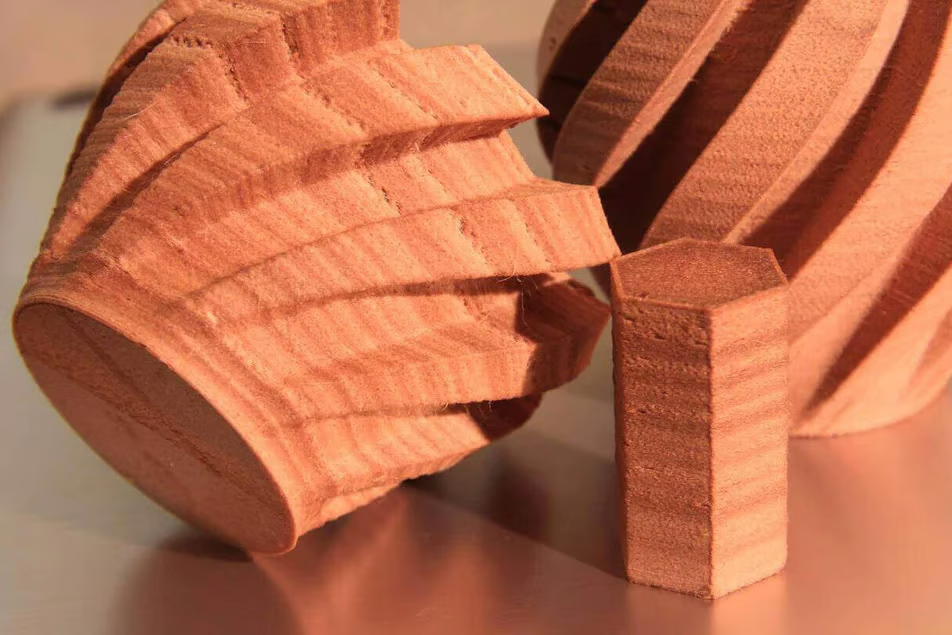
Are you interested in printing objects that look and feel like wood? Well, you can! Of course, it is not real wood – that would not be a very good material for 3D printing. Wood 3D printing filament is usually PLA enriched with wood fibers.
MORE INFORMATION
Today, many types of 3D printing filaments with wood additives and PLA are available. These include common types of wood, such as pine, birch, cedar, ebony, and willow, but the selection also extends to less common types, such as bamboo, cherry, coconut, cork, and olive.
As with other types of 3D printing filament, wood involves a certain trade-off. In this case, the aesthetic and tactile appeal comes hand in hand with reduced ibility and strength.
Be careful with the temperature at which you print wood, as excessive heat can result in an almost burnt or caramelized appearance. On the other hand, the basic appearance of your wooden creations can be significantly improved with a little post-processing! Wood-filled filament can also accelerate wear on your 3D printer nozzle, because the wood fibers it contains are abrasive and will wear down softer materials such as brass.
WHEN TO USE 3D PRINTING FILAMENT: WOOD-FILLED?
Wood is popular for objects valued more for their natural appearance than for their functional capabilities. Consider using wood-filled 3D printing filament when printing objects displayed on a desk, table, or shelf. Examples include bowls, figurines, and awards. One truly creative use of wood as 3D printing filament is creating scale models, such as those used in architecture.
3D PRINTING FILAMENT SUMMARY: WOOD-FILLED
METAL-FILLED
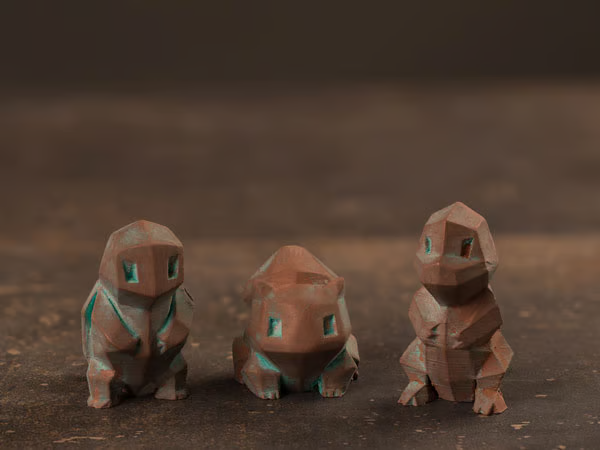
WHAT IS METAL-FILLED FILAMENT?
Perhaps you are looking for a different type of aesthetic for your prints – something a little more solid and shinier. For this purpose, you can use metal. Like wood-filled 3D printing filament, metal-filled filament is not made entirely of metal. It is actually a mixture of metal powder and either PLA or ABS. This does not mean, however, that the results will not look and feel like metal.
Even the weight is similar to metal, because the blends tend to be several times denser than pure PLA or ABS.
ADDITIONAL INFORMATION
Bronze, brass, copper, aluminum, and stainless steel are just some of the commercially available types of metal 3D printing filament. If you are interested in a particular look, feel free to polish, patinate, or oxidize your metal prints after printing – a little post-processing can make a big difference.
Remember that when printing with metal, you will need to change the nozzle more often. Like fiber-filled filaments, metal particles are somewhat abrasive and lead to increased nozzle wear. This abrasion is particularly rapid when passing through relatively soft materials such as brass.
The most common 3D printing filament blends usually contain around 50% metal powder and 50% PLA or ABS, but blends with up to 85% metal also exist.
WHY USE METAL FILAMENT?
Metal filaments can be used for both aesthetic and functional purposes. For example, figurines, models, toys, and tokens can look great when printed with metal, and if they do not need to withstand too much stress, metal 3D printing filaments can be used to create practical parts such as tools, grilles, or finishing components.
METAL FILAMENT SUMMARY
FILAMENTS ECO-FRIENDLY

WHAT IS ECO-FRIENDLY FILAMENT?
Eco-friendly 3D printer filaments form a unique category because their most valuable characteristic does not lie in their physical properties. As most enthusiasts can attest, print failures and material waste are unavoidable aspects of 3D printing. This means that a lot of plastic has to be discarded.
Although most PLA is industrially biodegradable, it is usually not accepted by composting or recycling programs, resulting in more plastic ending up in landfills. Filaments considered “eco-friendly” (although it is wise to view this as a relative measure) attempt to reduce the impact of plastic waste on our planet through various approaches.
ADDITIONAL INFORMATION
There are essentially two methods that 3D printer filament manufacturers use to make materials more eco-friendly: material sourcing and packaging.
Material sourcing has two subcategories, the most common being recycled material, where filament is made by recycling clean production waste. The second method is using problematic materials, such as natural waste or sometimes even nuisance materials, such as algae, to replace typical source materials.
The second method is easy to understand. Manufacturers make their products somewhat less harmful by using biodegradable packaging materials, such as cardboard, or by offsetting the environmental impact of production. For example, Polymaker’s PolyTerra claims to plant a tree for every spool purchased to offset its carbon footprint.
WHEN SHOULD WE USE ECO-FRIENDLY FILAMENT?
Although their primary reason for existing is to reduce the environmental impact of 3D printing materials, filaments considered eco-friendly often achieve high quality and continue to produce parts with desirable material properties. What is more, there is no limit to the type of material that can be eco-friendly – so your options vary just as much as filaments in general. It should be noted that recycled materials tend to have higher diameter tolerances.
ECO-FRIENDLY 3D PRINTING FILAMENT RECAP
CONDUCTIVE FILAMENTS
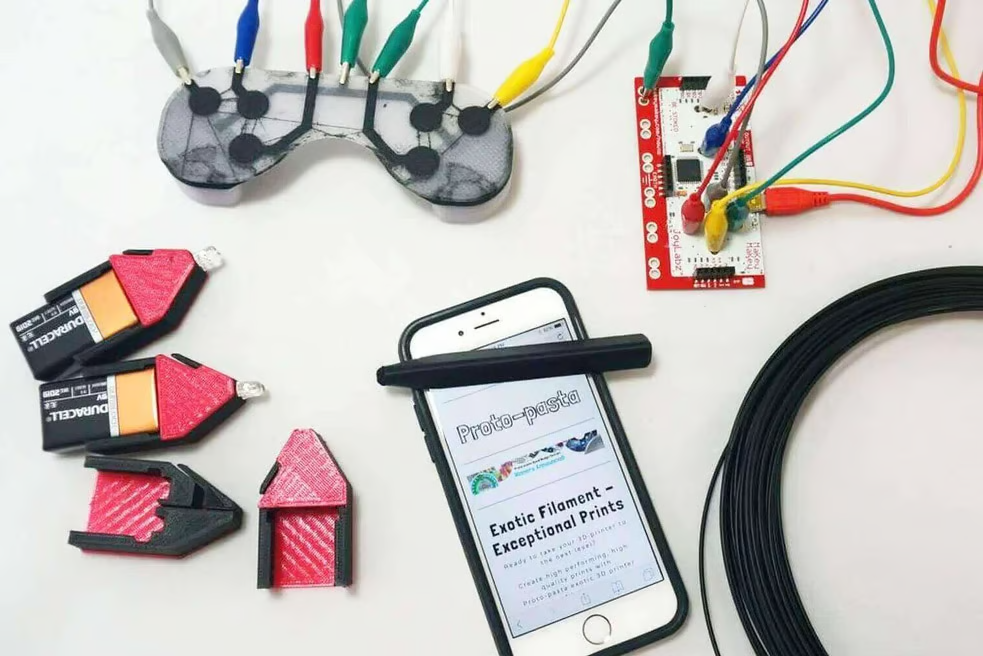
WHAT IS CONDUCTIVE FILAMENT?
With so many strong, ible, and durable types of 3D printing filament available, it seems that structural and mechanical projects are all around us. Enter conductive 3D printing filament – filament that conducts electrical current.
ADDITIONAL INFORMATION
By adding conductive carbon particles to PLA or ABS, it is easy to create hobby projects by printing low-voltage electronic circuits. Simply use conductive 3D printing filament together with standard PLA or ABS in a dual-extrusion machine.
WHEN TO USE CONDUCTIVE 3D PRINTING FILAMENT?
Although this type of filament supports only low-voltage circuits, the possibilities for custom electronics projects are endless. If you are experimenting, try combining a printed circuit board with LEDs, sensors, or even a Raspberry Pi. If you are looking for something more specific, popular ideas include game controllers, digital keyboards, and trackpads.
CONDUCTIVE 3D PRINTING FILAMENT RECAP
FILAMENTS GLOWING IN THE DARK
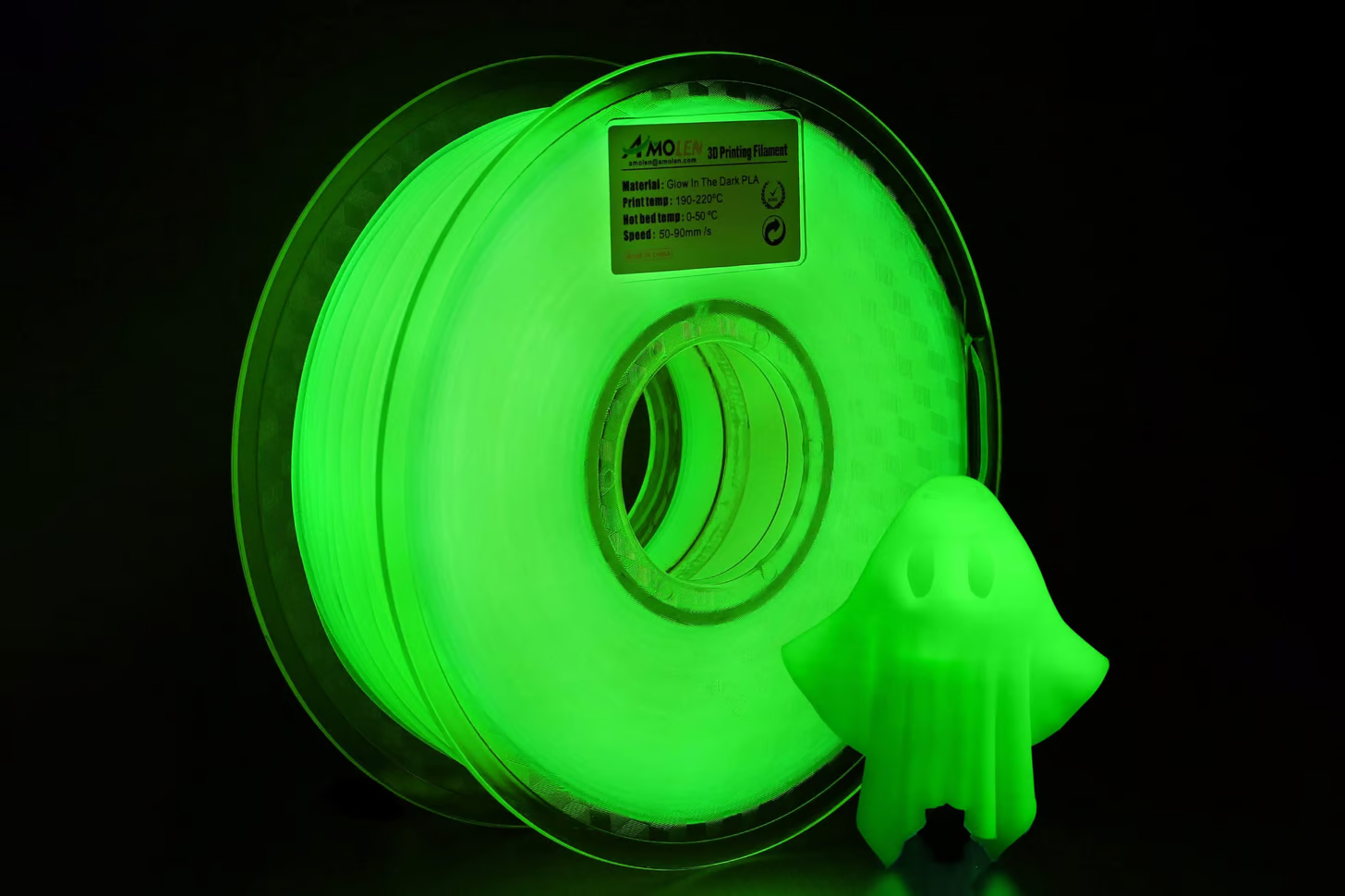
WHAT IS GLOW-IN-THE-DARK 3D PRINTING FILAMENT?
It is 3D printing filament that glows in the dark – self-explanatory. Leave your print in the light for a while, then turn off the light and admire the green glow emanating from the filament.
Of course, it does not have to be green. Other glow-in-the-dark filament colors include blue, red, pink, yellow, and orange. But green is usually the most popular and reproduces that classic spooky glow.
ADDITIONAL INFORMATION
So how does it work? It all revolves around phosphorescent materials mixed with a PLA or ABS base. Thanks to these added materials, glow-in-the-dark 3D printing filament can absorb and later emit photons, the fundamental particles of light. That is why your prints only start glowing after being exposed to light – they must first store the energy before they can release it. Glow-in-the-dark filaments are usually harsh on standard brass nozzles, so if you print with them often, your nozzle may wear out over time.
For the best results, consider printing with thick walls and minimal infill. The thicker your walls are, the stronger the glow!
WHEN SHOULD WE USE GLOW-IN-THE-DARK FILAMENT?
When you think of a spooky green glow, it is almost unnecessary to suggest using glow-in-the-dark filament for Halloween projects such as lanterns or window decorations. Other examples where these filaments truly shine include jewelry, toys, and figurines.
GLOW-IN-THE-DARK 3D PRINTING FILAMENT RECAP
MAGNETIC FILAMENTS
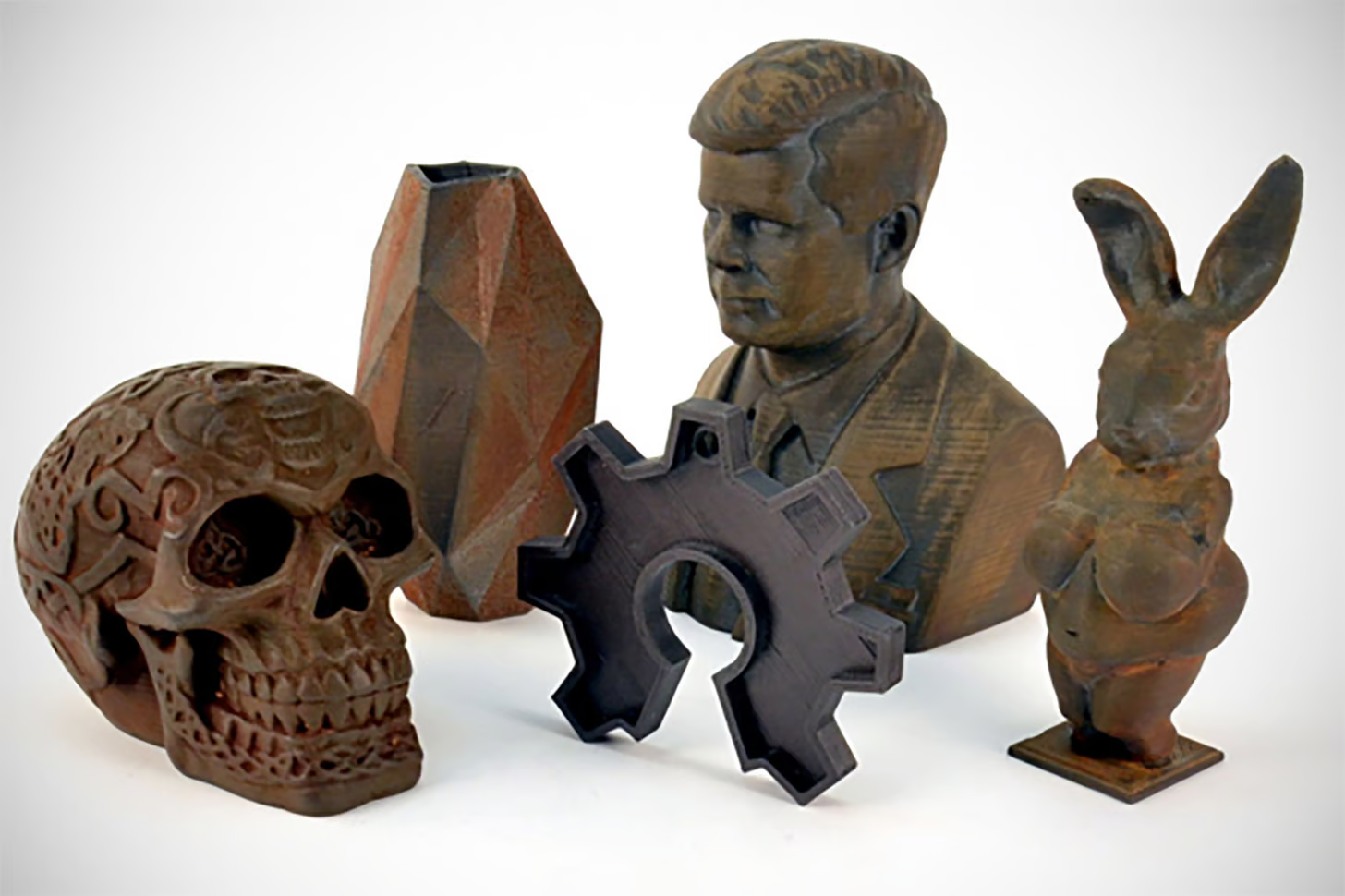
WHAT IS MAGNETIC FILAMENT?
Metal and conductive prints did not excite you? How about magnetic prints? This exotic 3D printing filament, based on PLA or ABS with added iron powder, has a rough, silvery surface and, of course, sticks to magnets!
ADDITIONAL INFORMATION
It is important to note: Although it is called magnetic filament, it is actually “ferromagnetic,” meaning that it is attracted to magnetic fields but does not create a magnetic field itself. In other words, the objects you print can be attracted to magnets, but they will not be magnets themselves.
WHEN TO USE MAGNETIC FILAMENT?
Use this type of 3D printing filament whenever you want your prints to stick to something magnetic. Ornaments (especially refrigerator magnets) are the most obvious example, but why not integrate a little magnetism into toys or tools?
MAGNETIC FILAMENT RECAP
FILAMENTS COLOR-CHANGING
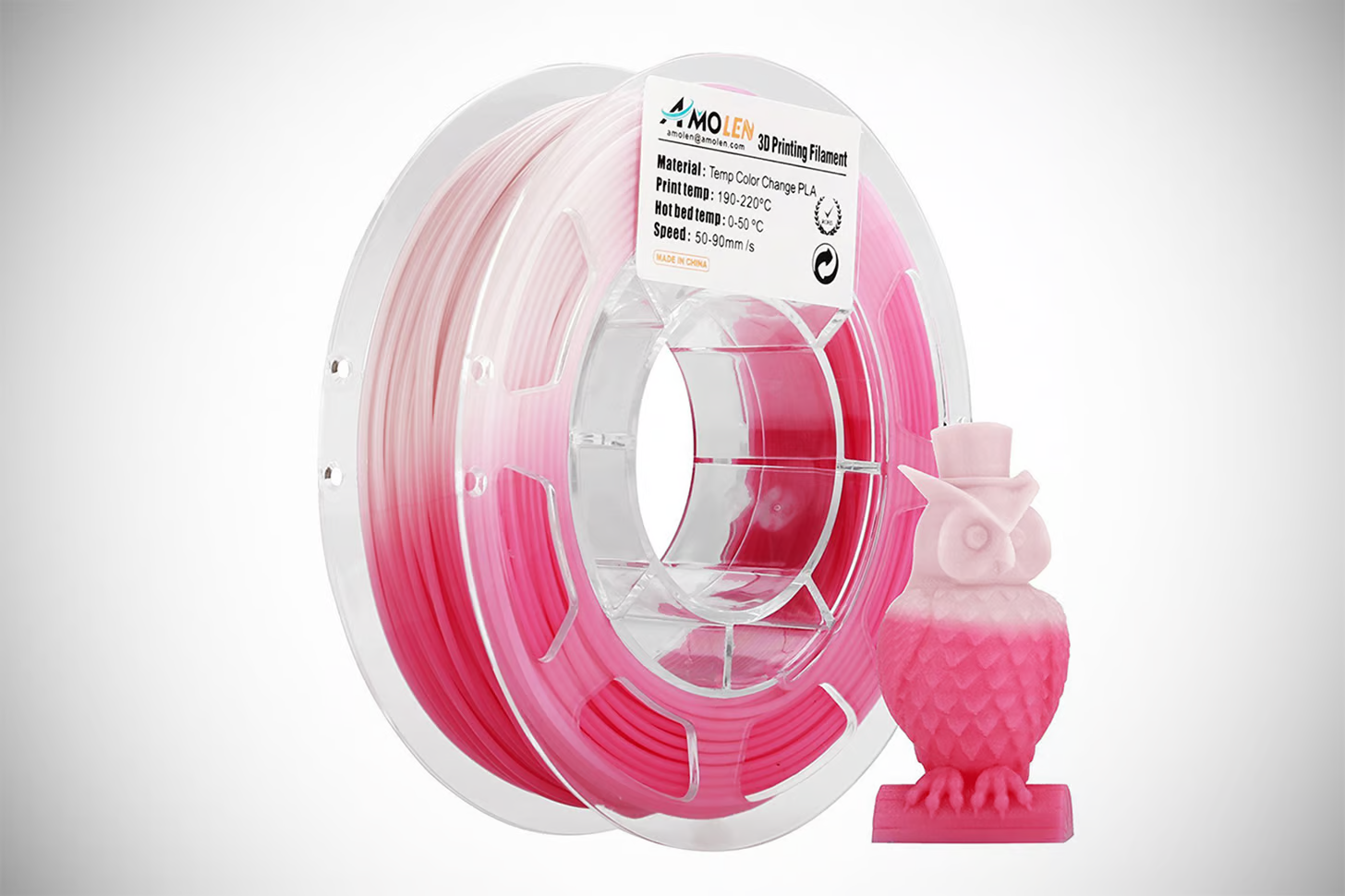
WHAT IS COLOR-CHANGING FILAMENT?
Do you remember those 1980s T-shirts that changed color according to body temperature? Or mood rings? Well, this is the same idea; color-changing filaments also change color in response to temperature changes.
ADDITIONAL INFORMATION
Filaments in this category tend to change between two colors, for example from purple to pink, blue to green, or yellow to green.
As with other exotic types of 3D printing filament, color-changing filaments are available in both PLA and ABS blends.
WHEN TO USE COLOR-CHANGING FILAMENT?
Without any special physical, tactile, or functional properties, this type of filament is intended solely for aesthetic purposes. Use it whenever you would normally use PLA or ABS but want to add that extra visual spark. Good projects include phone cases, clothing, toys, and containers.
COLOR-CHANGING FILAMENT SUMMARY
DICHROMATIC FILAMENTS
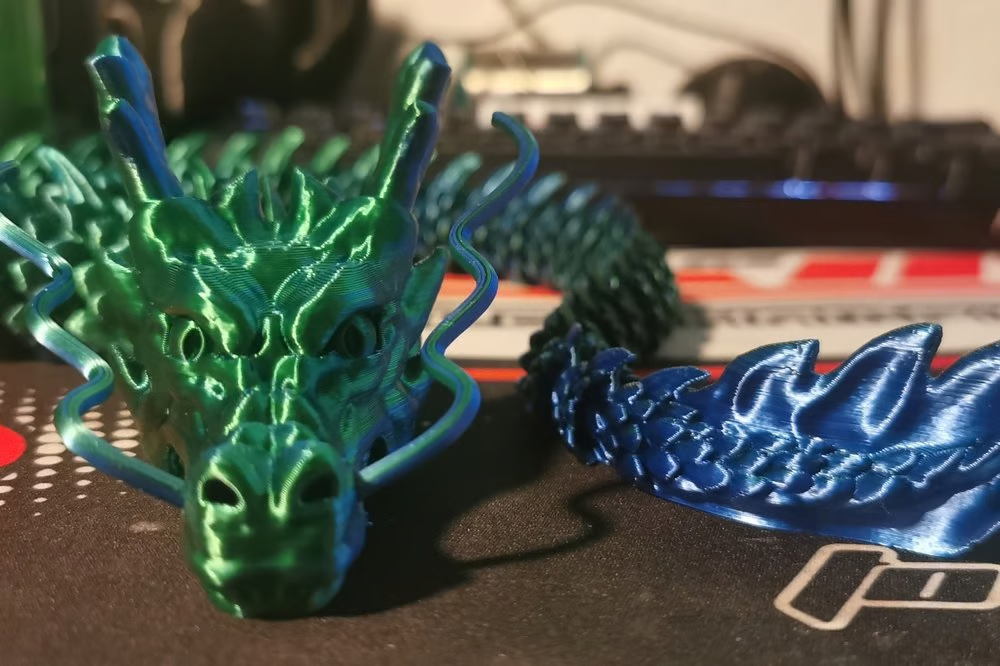
WHAT IS DICHROMATIC FILAMENT?
Also referred to as “dual-color” filament, dichromatic 3D printing filament has two colors along the entire length of the material strand, making it multicolored at every point. This creates an interesting print result that appears to change color from different perspectives.
MORE INFORMATION
Dichromatic filament is usually made from PLA and consists of only two colors along the entire length of the plastic strand, ensuring consistent color variation during part extrusion.
The effect created by dichromatic filament simply is not possible with ordinary filament. To achieve a similar effect to the orientation-dependent differences provided by dichromatic filament, a complex design would be required, along with, for example, an MMU device to change filaments. In contrast, dichromatic filament easily applies the effect to any model.
WHEN SHOULD I USE DICHROMATIC FILAMENT?
Like other color variants of base materials, dichromatic filament is intended solely for aesthetic purposes. There are no other special properties that would not be available in standard variants of the base material. Try printing display models, especially if they are visible from different viewing angles.
DICHROMATIC FILAMENT SUMMARY
CLAY/CERAMIC
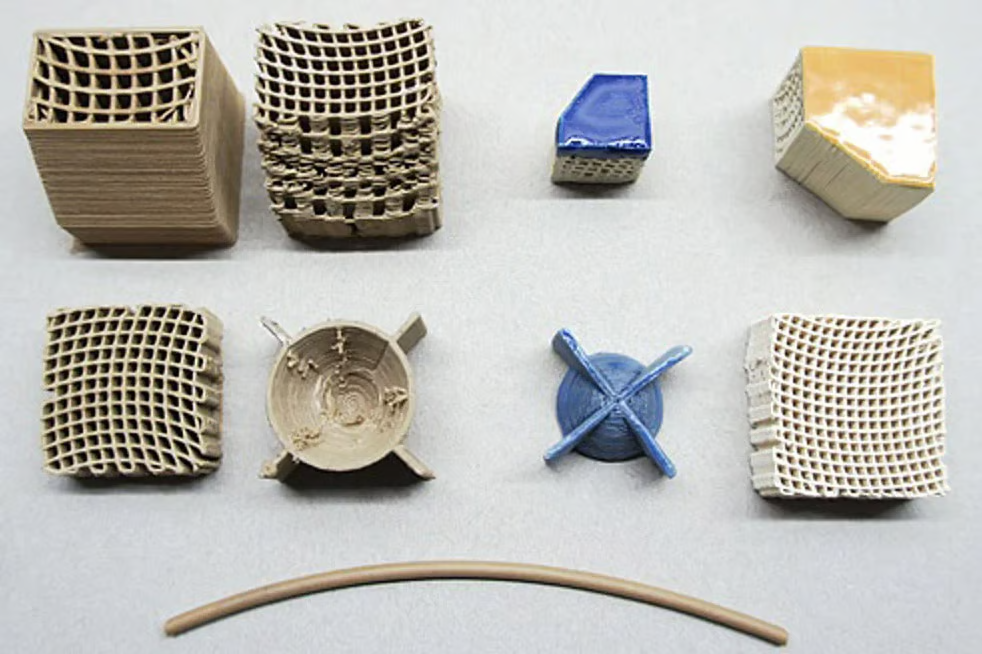
WHAT IS CLAY/CERAMIC FILAMENT?
As this article demonstrates, plastic often dominates 3D printing as the primary printing material. We have already explored some other non-plastic options, and here is another: clay. Boasting the properties of clay, clay 3D printing filament usually contains a mixture of clay and polymer.
MORE INFORMATION
Not many companies offer stone/non-earth-material filaments. Clay (often referred to as ceramic) may have the clearest use case – ceramic imitation – and in some cases the strongest one – heat resistance.
A common characteristic of these filaments is brittleness – they must be handled carefully during printing and handling.
Lay Filament’s LAYCeramic is an excellent example of a ceramic filament that achieves almost authentic results. After printing, it can be fired in a kiln; the polymer binding the ceramic particles inside is removed, leaving a slightly shrunken but strengthened final print that can be enhanced with ceramic glaze and other post-processing treatments. Without the polymer component, the resulting part achieves heat resistance similar to ceramic, which is unmatched by other 3D-printable materials.
WHEN SHOULD YOU USE CLAY/CERAMIC FILAMENT FOR 3D PRINTING?
When you are looking for a handcrafted ceramic appearance combined with the impossibly precise repeatability provided by 3D printing. Alternatively, use special brands such as LAYceramic to achieve heat resistance after firing that far exceeds ordinary filaments.
CLAY/CERAMIC FILAMENT FOR 3D PRINTING SUMMARY
PROFESSIONAL TYPES OF 3D PRINTING FILAMENT
We have classified the following types of 3D printing material as “professional” for the following reasons:
This does not mean that they are inaccessible for regular use. Most print in the same way as the filaments mentioned above, although more attention must be paid to print settings or special requirements that can be adjusted on a standard desktop 3D printer (for example, a higher hotend temperature).
CARBON FIBER
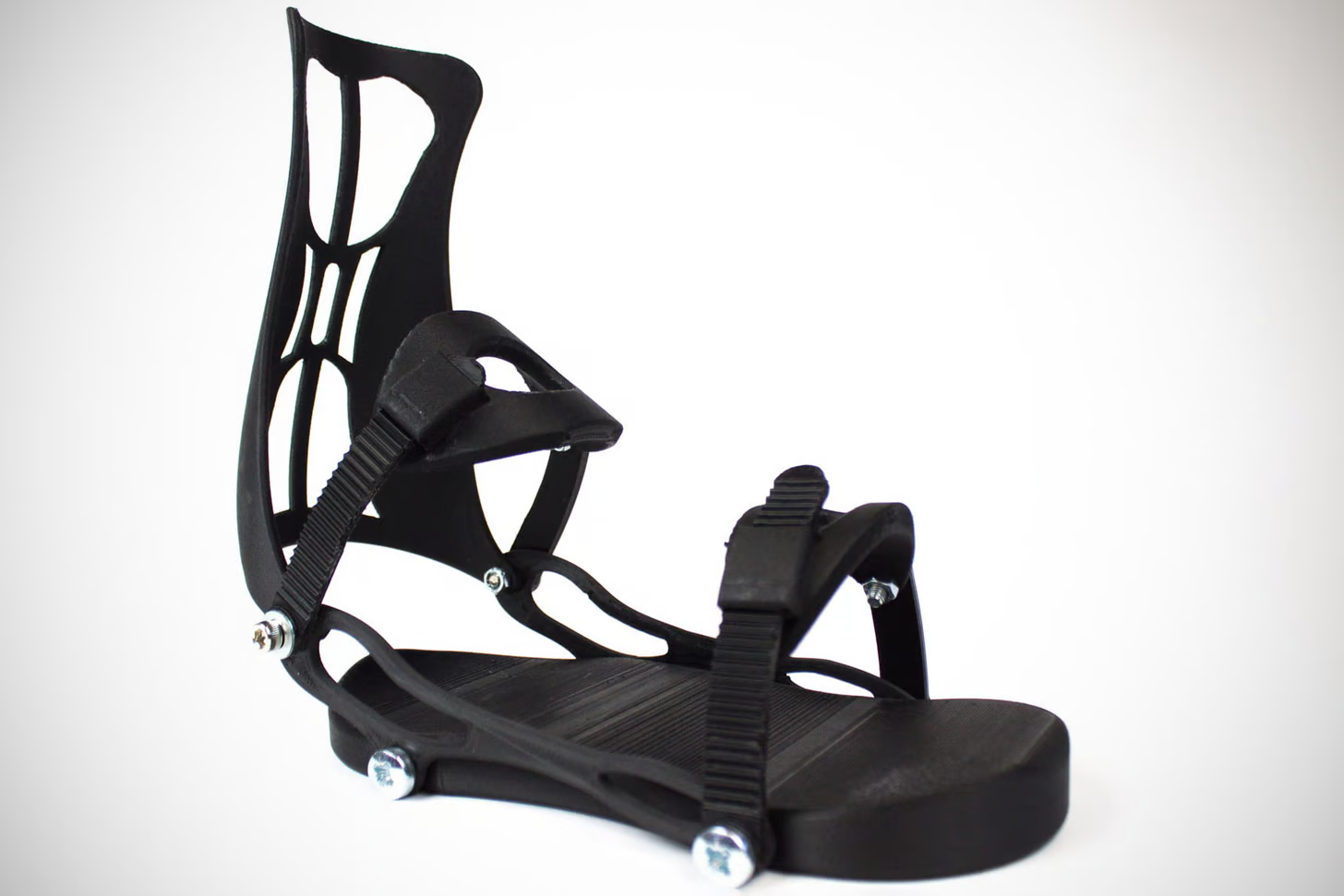
WHAT IS CARBON FIBER?
When a 3D printing filament such as PLA, ABS, but most commonly nylon, is reinforced with carbon fibers, the result is an extremely stiff and strong material with relatively low weight. These composites excel in structural applications that must withstand a wide range of end uses.
MORE INFORMATION
The downside is increased nozzle wear, especially if it is made from a soft metal such as brass. Even a small amount of this exotic 3D printing filament, around 500 grams, will significantly enlarge the diameter of a brass nozzle, so if you do not want to change the nozzle frequently, consider using one made from a harder material (or coated with one).
WHEN SHOULD YOU USE CARBON FIBER?
Thanks to its structural strength and low density, carbon fiber is an excellent choice for mechanical parts. Want to replace a part in your model car or airplane? Try this 3D printing filament.
CARBON FIBER SUMMARY
GLASS FIBER
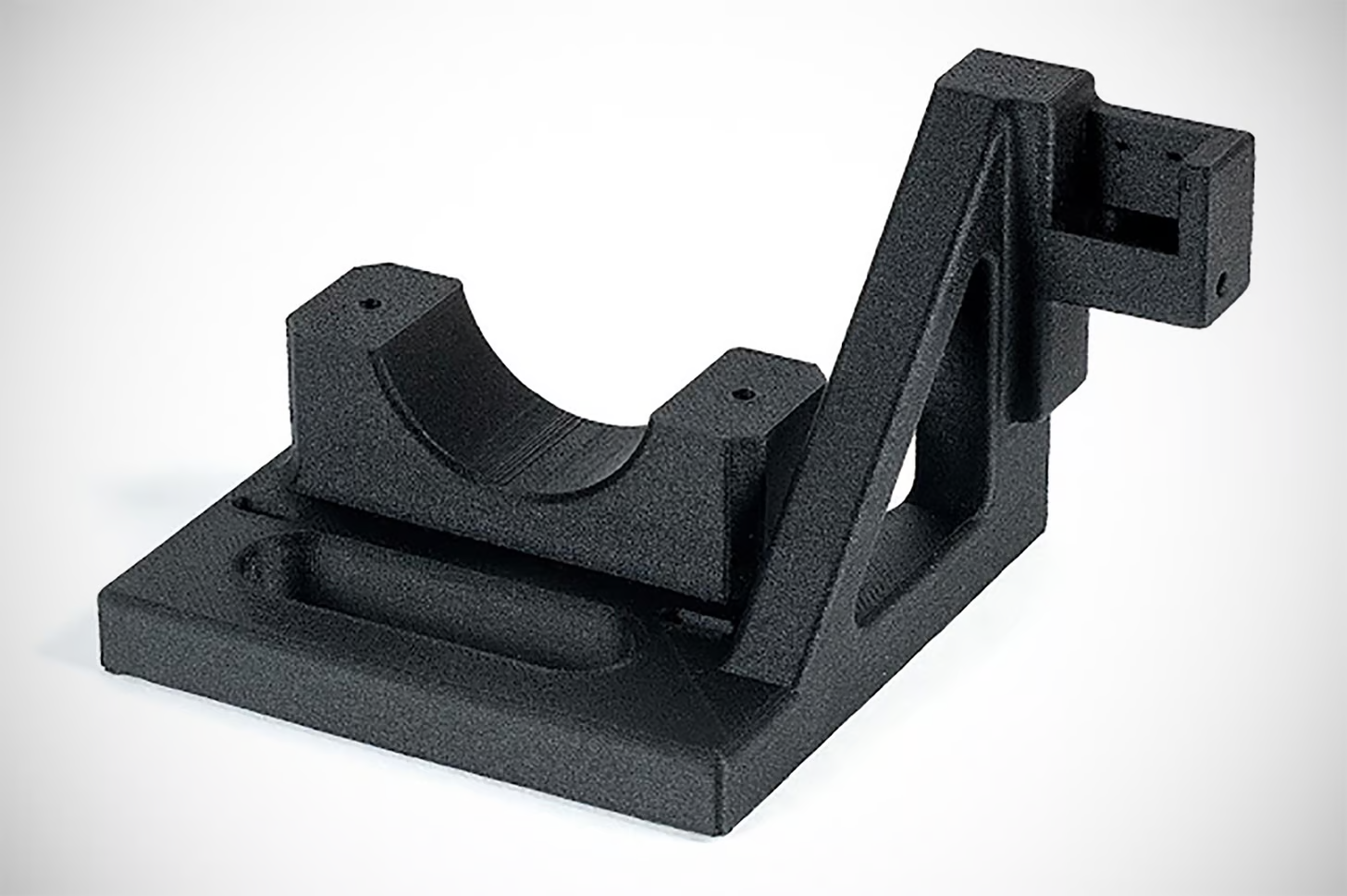
WHAT IS GLASS FIBER?
Glass fiber filaments usually contain nylon reinforced with short glass fibers, just like the carbon-fiber filaments described above. Glass-fiber-reinforced materials typically have high impact and temperature resistance, as well as tensile strength, enabling them to withstand large amounts of energy while maintaining their shape and structural integrity.
MORE INFORMATION
Since the base thermoplastic of glass-fiber-containing material is nylon, it requires (as might be expected) similar temperatures to this material. It may vary from brand to brand, but it usually requires the hotend to reach 250 °C or higher. The use of a durable, wear-resistant stainless-steel nozzle is recommended. Glass-fiber-containing filament should be stored in a dry place and heated before use for the best results (again, handling and printing characteristics are usually determined by the base thermoplastic).
WHEN SHOULD YOU USE GLASS FIBER FILAMENT?
This durable fiber material is suitable for many mechanical components that require high stiffness and strength. Heat resistance and scratch resistance are also important considerations when using glass-fiber filament.
GLASS FIBER FILAMENT SUMMARY
METALLIC FILAMENT
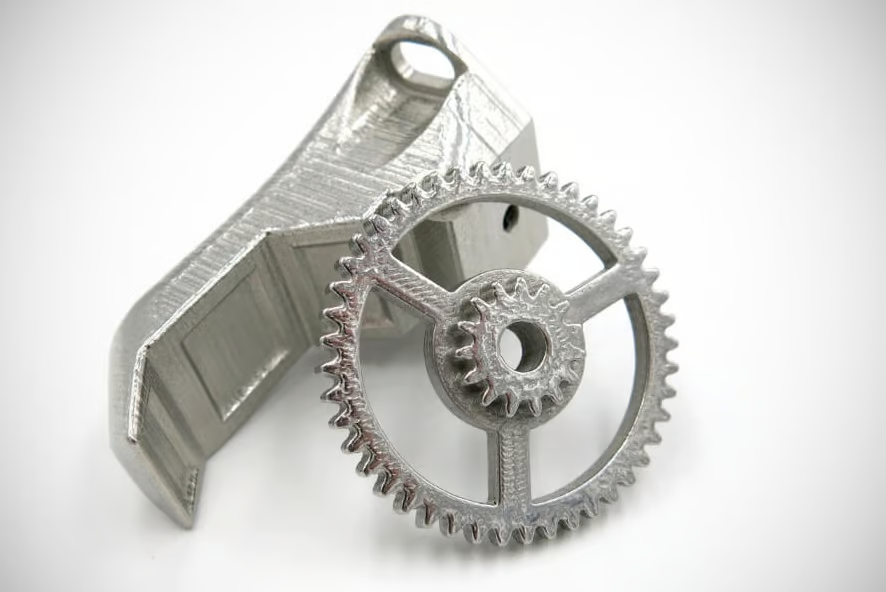
WHAT IS METALLIC FILAMENT?
Professional metallic filament consists of a high proportion of metal powder and binders, resulting in a 3D-printable filament that can be sintered into fully dense metal parts. Once printed, debinding and sintering processes are applied to remove the binder and create the final fully metal part. This is an industrial-grade material that has been brought to desktop printers. Some metal 3D printing filaments are currently available, including 316L stainless steel, tool steel, Inconel, copper, and aluminum.
These filaments can be printed on most FDM 3D printers if they are equipped with a large-capacity, abrasion-resistant nozzle. An enclosed chamber and a heated bed with a high temperature are beneficial.
MORE INFORMATION
After printing, the object is in the so-called “green state”. To enable it to be sintered without any defects, the polymer matrix is then removed in a debinding process, creating a “brown” part. In this state, the object has open porous channels across its entire surface. Parts that are unsuitable for this process may suffer from deformation or even collapse under their own weight.
In the third and final step, the brown body is sintered and transformed into a metal object. Non-isotropic shrinkage of the material occurs, which must be taken into account during the design or preparation of the object for printing. Depending on the material, the percentages range from 5–20% (see the filament’s technical data sheet for specific information).
WHEN SHOULD YOU USE METALLIC FILAMENT?
Thanks to their high strength and corrosion resistance, metal filaments are ideal for producing parts such as brackets, fasteners, tools, and functional and end-use parts.
METALLIC FILAMENT SUMMARY
HIPS (High Impact Polystyrene))
WHAT IS HIPS FIILAMENT?
HIPS (High Impact Polystyrene) is a copolymer commonly used in the commercial world that combines the hardness of polystyrene with the elasticity of rubber and is commonly found in protective packaging and containers, such as CD cases.
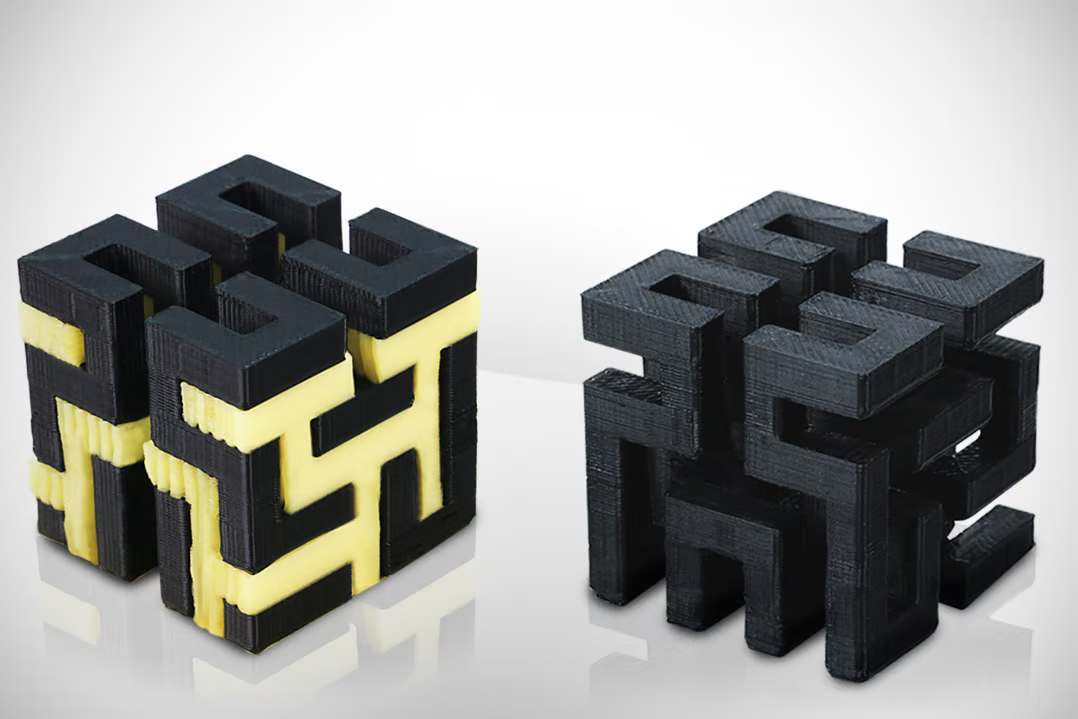
In the world of 3D printing, HIPS usually plays a different role. 3D printers cannot print in mid-air – and this is where support structures come in. Overhangs require some kind of support structure, and this is where HIPS excels. When paired with ABS in a dual-extruder printer, HIPS serves as an excellent support material.
MORE INFORMATION
For dual-extruder printing using HIPS, simply set supports to maximum and fill all gaps in your design with HIPS 3D printing filament. Submerging the completed print in limonene will dissolve the HIPS, leaving your final product behind.
Unfortunately, using HIPS as a support material limits you to printing your actual part from ABS. Limonene will damage other 3D printing filament materials. Nevertheless, HIPS and ABS print well together in any case because they have similar strength and stiffness and require comparable printing temperatures.
In fact, although its primary use is as a support material, HIPS is a decent 3D printing filament in its own right. It is stronger than PLA and ABS, warps less than ABS, and can be easily glued, sanded, and painted.
WHEN SHOULD YOU USE HIPS FILAMENT?
Sharing many characteristics with ABS, HIPS 3D printing filament is a good general-purpose solution for parts that must withstand wear, or for projects that require a material suitable for surface finishing to achieve the desired final appearance.
HIPS 3D PRINTING FILAMENT SUMMARY
PVA (POLYVINYL ALCOHOL)
WHAT IS PVA?
Polyvinyl alcohol (PVA) is water-soluble, which is exactly what commercial applications take advantage of. Popular uses include packaging for dishwasher detergent “tablets” or bags full of bait for fishing. (Throw the bag into the water and watch it dissolve and release the bait.)
MORE INFORMATION
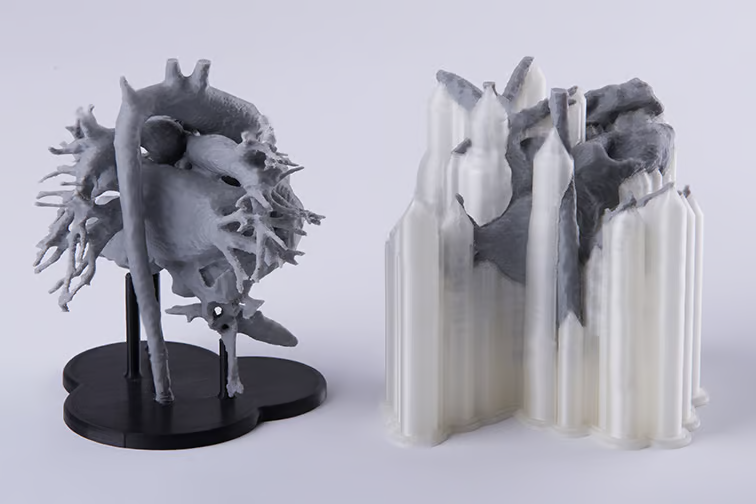
The same principle applies to 3D printing, making PVA an excellent support material when paired with another 3D printing filament in a dual-extruder 3D printer. The advantage of using PVA over HIPS is that it can support more materials than just ABS.
The downside is a 3D printing filament that is somewhat more difficult to handle. You must also be careful when storing it, because moisture in the air can damage the filament before printing. Dry boxes and silica gel bags are essential if you plan to keep a spool of PVA usable over the long term.
WHEN SHOULD WE USE PVA FILAMENT?
PVA filament is an excellent choice as a support material for complex prints with overhangs.
PVA 3D PRINTING FILAMENT SUMMARY
HIGH-SPEED/DRAFT FILAMENT
WHAT IS HIGH-SPEED/DRAFT FILAMENT?
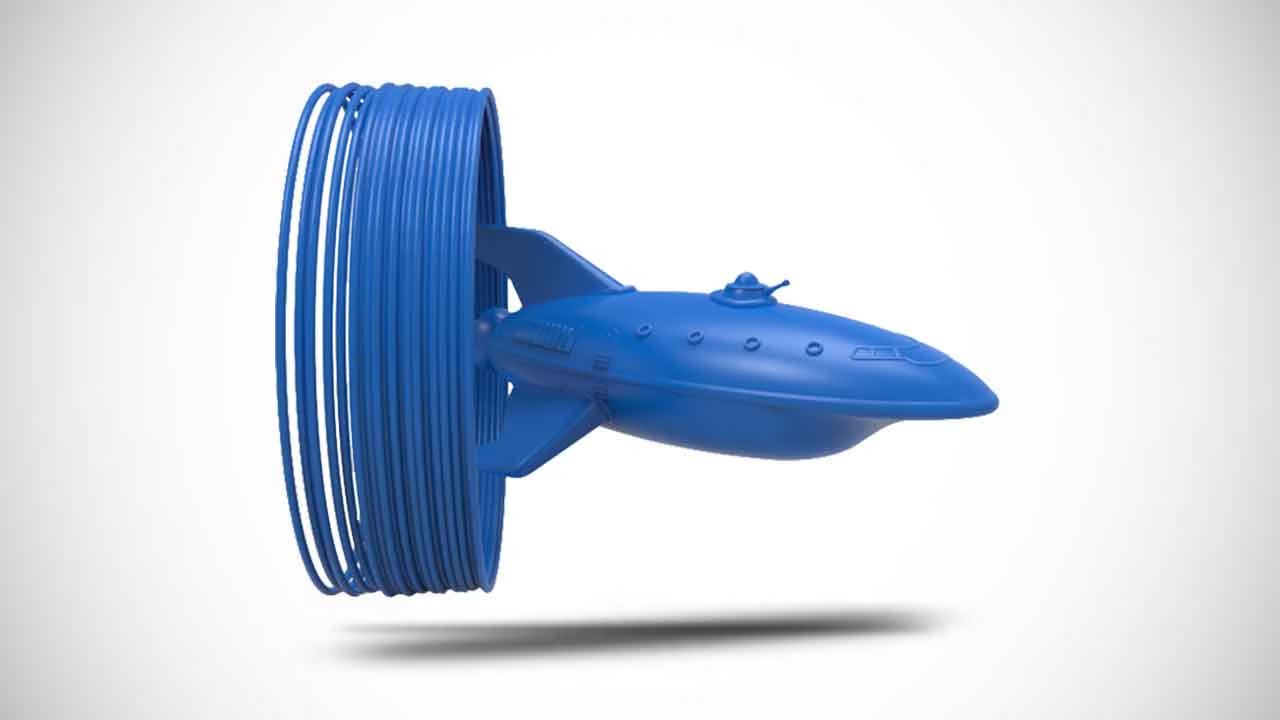
Fast-printing filament, also called “draft” filament, is a material – usually PLA – formulated to have a much faster flow before under-extrusion occurs. As you might expect, this helps you complete prints faster, making draft filament ideal for prototyping or quickly printing large models.
MORE INFORMATION
Design filament is typically aimed at print speeds of around 200 mm/s before under-extrusion occurs. This is a significant increase compared to the usual print speeds of 60 – 80 mm/s. But for now, do not increase this value too much – first check whether your 3D printer can print at these speeds without excessive vibrations.
The higher your 3D printer’s speed, the more vibrations are likely to occur. Compact desktop 3D printers may not have sufficient support to limit vibrations at these high speeds and achieve quality results. But if your system is somewhat sturdier, it should be fine. If aesthetics are not important for your print (and they really should not be when you are printing this quickly), also try printing with thicker layers; this will speed up your print even more and may help hide defects caused by vibrations.
To handle its higher flow rate, design filament for 3D printing has a significantly lower elastic modulus than its base material. In the case of High-Speed PLA from Treed Filament, for example, it is only 65.5 MPa, while typical PLA reaches over 2,000 MPa. So be careful to check whether it meets the mechanical requirements – if any are required.
WHEN SHOULD WE USE HIGH-SPEED/DESIGN FILAMENT?
You should use high-speed filament when you want or need to finish a print quickly. It is great for rapid prototyping, allowing you to quickly deliver samples to the real world, or for large models when you do not have days to let the printer do its work at average speed – architectural visualizations come to mind. Because design filament has significantly weaker mechanical properties and printing at high speeds can cause too many vibrations for a good-looking print, this material is best used for prints of conceptual designs, fitting parts, and demonstrations. Nothing that will be used regularly.
SUMMARY
CLEANING FILAMENT
WHAT IS CLEANING FILAMENT?
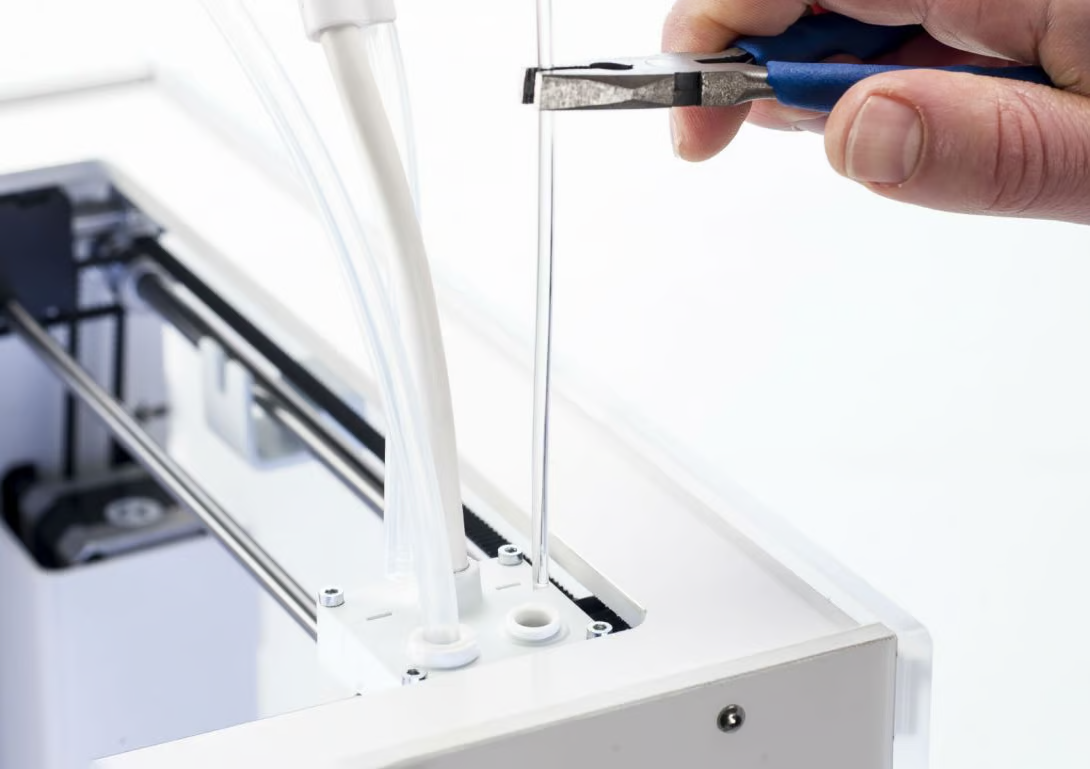
Unlike the other filaments on this list, cleaning filament is not used to print objects, but to clean the extruders of 3D printers. Its purpose is to remove any material in the hot nozzle that may remain from previous prints. Although this is good general practice, using cleaning filament is especially useful when switching between materials with different printing temperatures or colors.
FURTHER INFORMATION
The general procedure involves manually feeding cleaning filament into the heated print head to push out the old material, then allowing the hot end to cool slightly and pulling the filament out again. For more detailed instructions, refer to the information provided by the manufacturer of the specific filament you are using.
A few other things worth mentioning:
WHEN SHOULD WE USE CLEANING FILAMENT?
You should consider using cleaning filament between prints with two materials that have different temperature requirements or colors. In general, it is important to give your hot end a little care from time to time.
CLEANING FILAMENT SUMMARY
WAX FILAMENT
WHAT IS WAX/CASTING FILAMENT?
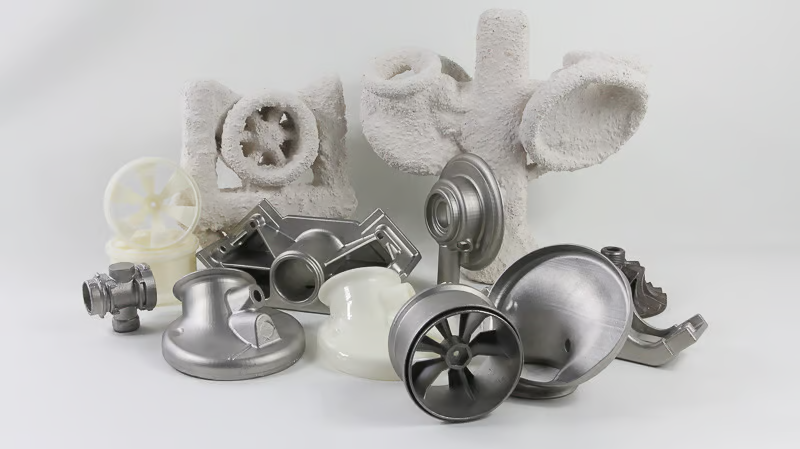
Do you want to print something from real brass, tin, or another metal? Well, you can! Sort of… In reality, you will print a mold using wax filament. But after a few more steps, your design can truly be transformed into shiny metal.
FURTHER INFORMATION
The process is called “lost-wax” or “investment” casting, and it works more or less like this:
MOLDLAY from Kai Parthy CC Products dominates the wax filament field. When using this or a similar wax-like material, keep in mind that they are much softer than most types of 3D printing filament. Additional precautions may include modifying your extruder and covering the print bed with adhesive.
WHEN SHOULD WAX FILAMENT BE USED?
If you are casting pieces from metals, wax-like filaments such as MOLDLAY can give you greater ibility, with the option to directly print complex and intricate designs that fit into the wax-casting workflow.
WAX FILAMENT SUMMARY
ASA
WHAT IS ASA FILAMENT?
ABS is certainly great, but it has its shortcomings. As a filament, it usually contains additives that help make it printable in the first place. Compared to its use in plastic injection molding, it is not quite the same, which is why there are ABS-like alternatives for 3D printing. One such alternative is acrylonitrile styrene acrylate (ASA), which was originally developed as a weather-resistant material. It is commonly used in the automotive industry.
FURTHER INFORMATION
In addition to being a strong, rigid, and relatively easy-to-print filament, ASA is also extremely resistant to chemical exposure and heat. Except under extreme conditions, its shape and color generally do not change. For example, ABS prints tend to deteriorate and yellow when left outdoors. This is not the case with ASA.
Another minor advantage of using ASA instead of ABS is less warping during printing. But be careful when setting the fan cooling; ASA cracks easily (splits between layers) if your print cooling is too strong.
WHEN SHOULD ASA FILAMENT BE USED FOR 3D PRINTING?
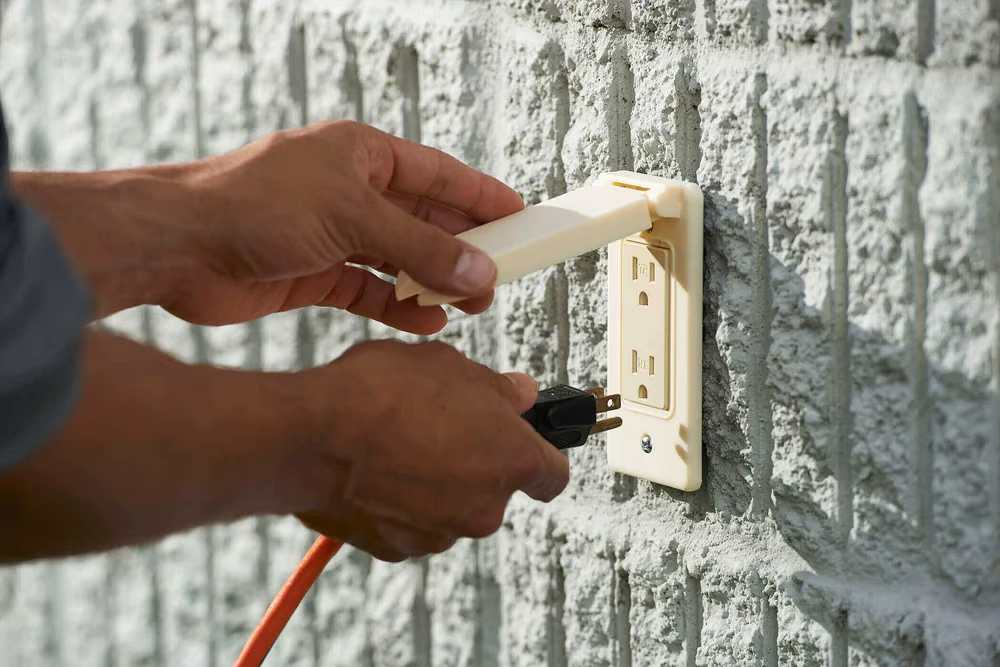
For anything from birdhouses to custom garden gnomes and replacement outlet covers, this is the best printing filament.
ASA 3D PRINTING FILAMENT SUMMARY
POLYPROPYLENE (PP)
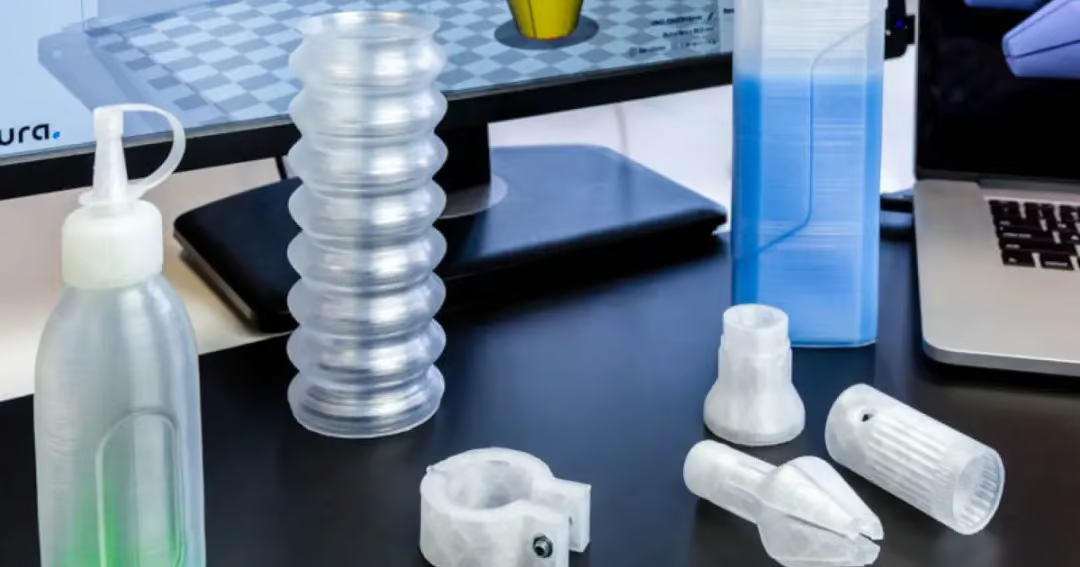
WHAT IS PP?
Polypropylene (PP) is hard, ible, lightweight, chemically resistant, and food-safe, which may explain its wide range of applications, including engineering plastics, food packaging, textiles, and banknotes.
FURTHER INFORMATION
Unfortunately, PP is known for being difficult to print, often exhibiting severe warping and poor layer adhesion. If not for these problems, PP could rival PLA and ABS as the most popular types of 3D printing filament, thanks to its strong mechanical and chemical properties.
Interestingly, since many household items are made from PP, it is actually possible to recycle old items and turn them into new filament.
WHEN SHOULD PP FILAMENT BE USED FOR 3D PRINTING?
If you can manage PP’s warping, then most prints requiring a durable and lightweight material would be suitable for PP. However, it is important to note that although the material is widely used in food and medical packaging for its food-safe properties, the FDM 3D printing process negates this with hundreds (if not thousands) of layers where bacteria can settle – it is best not to try this.
PP FILAMENT SUMMARY
PC-ABS
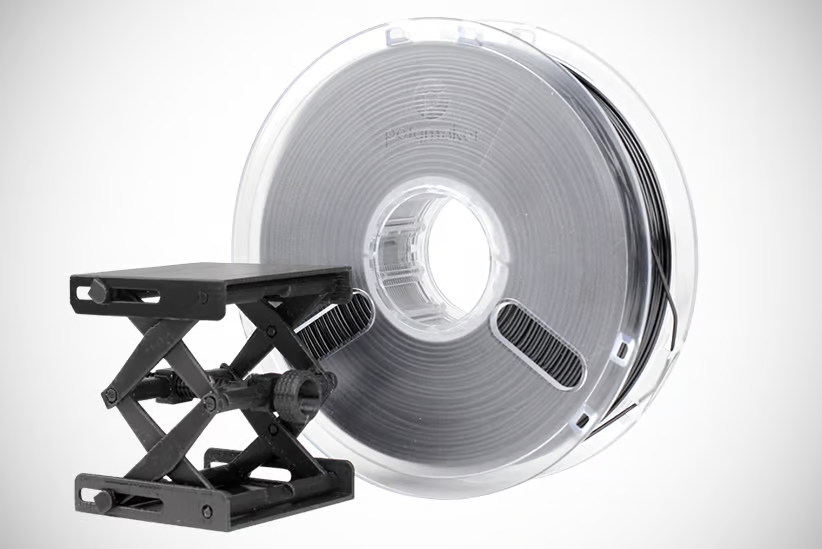
WHAT IS PC-ABS FILAMENT?
PC-ABS filament is an alloy of polycarbonate and ABS, a tough thermoplastic combining the strength of polycarbonate with the ibility of ABS. It is commonly used in the automotive industry, electronics, and telecommunications, and is one of the most widely used industrial thermoplastics globally.
FURTHER INFORMATION
The same advantages apply when it is used as 3D printing filament, but at the cost of a somewhat more complicated printing process. First, because PC-ABS is hygroscopic, it is recommended that you dry it thoroughly before printing (or at least store it in a suitable environment). Second, it requires a high printing temperature (at least 260 °C). Third, it tends to warp, so a high print bed temperature is also necessary (at least 100 °C to 140 °C).
WHEN SHOULD PC-ABS FILAMENT BE USED?
Functional prototypes, tool production, and small series of final parts that must withstand minor impacts and blows are ideal for PC-ABS.
PC-ABS 3D PRINTING FILAMENT SUMMARY
ACETAL (POM)
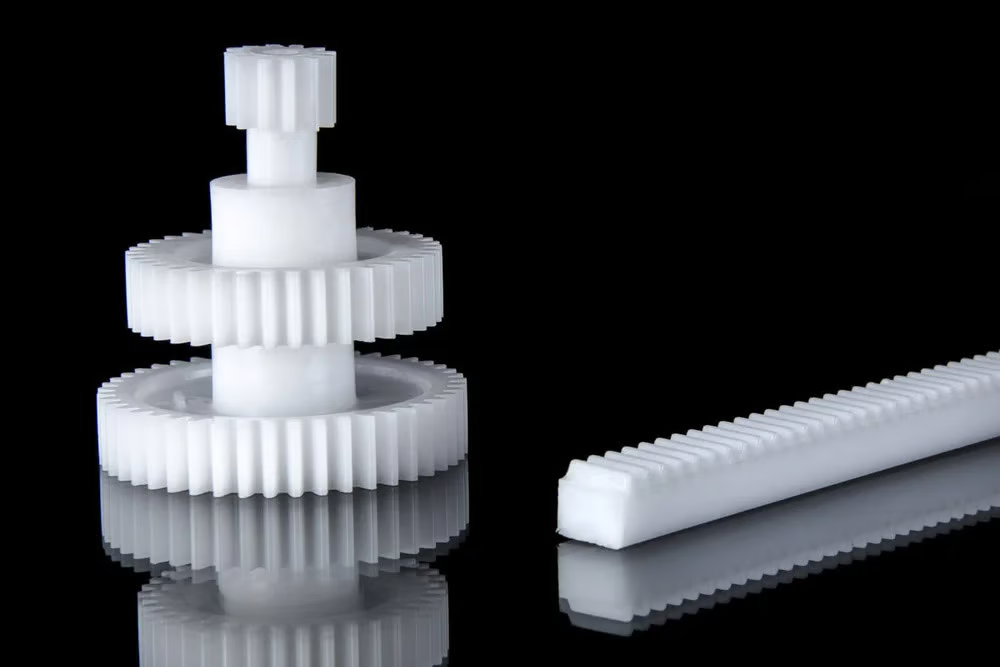
WHAT IS ACETAL (POM)?
Polyoxymethylene (POM), also known as acetal and Delrin, is known for its use as an engineering plastic, for example in parts that move or require high precision.
FURTHER INFORMATION
As a material, acetal is commonly used for components such as gears, bearings, camera-focusing mechanisms, and zippers.
POM stands out in these types of applications for its strength, rigidity, wear resistance, and especially its low coefficient of friction. It is precisely this property that makes POM a great 3D printing filament.
For most types of 3D printing filament on this list, there is a significant gap between what is manufactured in industry and what you can make at home with your 3D printer. With POM, this gap is somewhat smaller; the slippery nature of this material means that printed parts can be almost as functional as mass-produced components.
Make sure you use a heated print bed when printing with Acetal (POM) filament, because the first layer sometimes refuses to adhere.
WHEN SHOULD ACETAL (POM) FILAMENT BE USED?
All moving parts must have low friction and be durable. We imagine that geared mechanisms in projects using motors (for example, RC cars) could be a suitable field for POM.
ACETAL (POM) FILAMENT SUMMARY
PMMA (ACRYLIC)
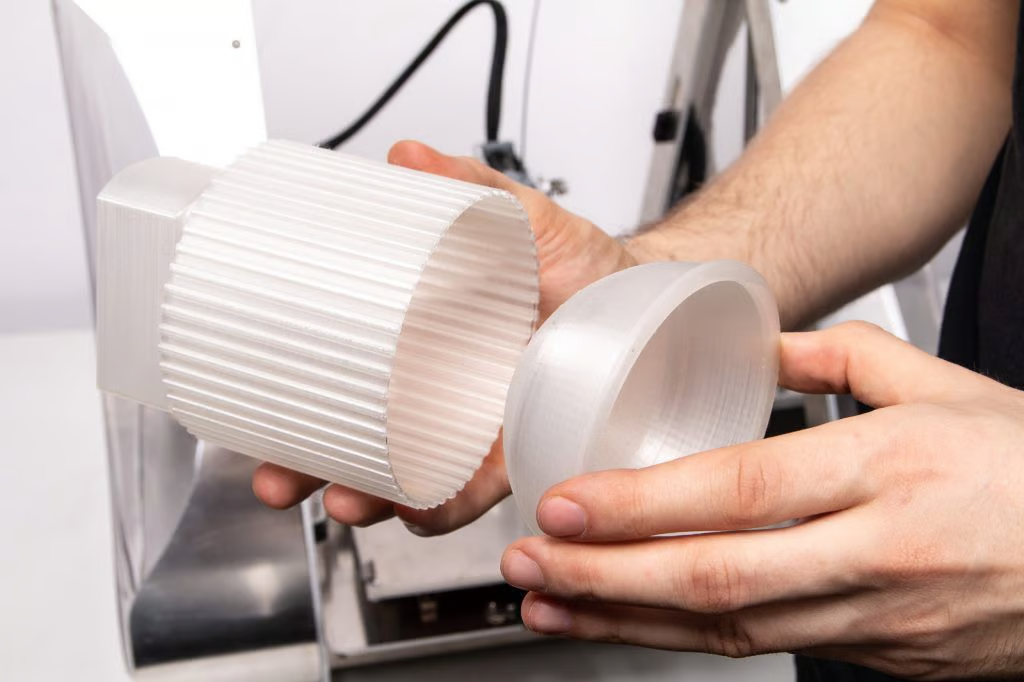
WHAT IS PMMA FILAMENT?
Have you ever heard of polymethyl methacrylate (PMMA)? Maybe not. What about acrylic or Plexiglas? Yes, we are talking about the same material, most commonly used as a lightweight, durable alternative to glass.
FURTHER INFORMATION
3D printing with PMMA filament can be somewhat difficult. To prevent warping and maximize transparency, extrusion must be consistent, which requires a high nozzle temperature. Enclosing the print chamber may also help regulate cooling.
WHEN SHOULD I USE PMMA FILAMENT?
Use this filament for anything that should diffuse light, whether it is replacing window glass or making a colorful toy. Just do not try to make anything that should bend, because PMMA is not very ible.
PMMA FILAMENT SUMMARY


