Free shipping from 1 999 Kč
Fast shipping
Verified store
Thousands of customers




Free shipping from 1 999 Kč
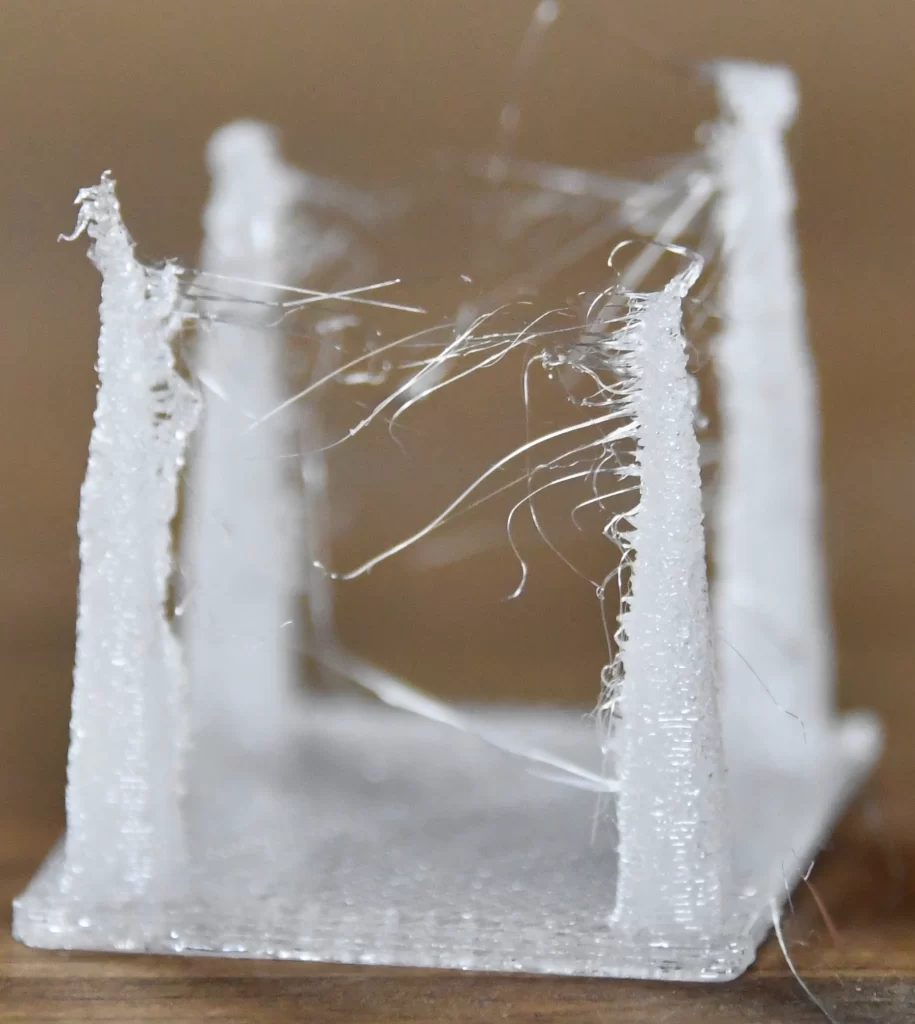
In summer, 3D printing often develops issues that you hardly have to deal with during winter: more stringing, a duller or rougher surface, tiny bubbles in the walls, cracking from the nozzle, and occasional jams during material changes. The slicer profile may not be at fault. Often, all it takes is for a spool to have been left for several days or weeks in a room with higher humidity.
That does not mean you need to dry every spool before every print. With PLA, moisture is usually a less common primary problem than with nylon, TPU or support materials. PETG is somewhere in between: it can print even without perfect drying, but as soon as it absorbs moisture, it starts behaving significantly worse. The goal is to recognize when drying will really help and when it is better to first look for an issue with temperature, retractions, cooling or flow.
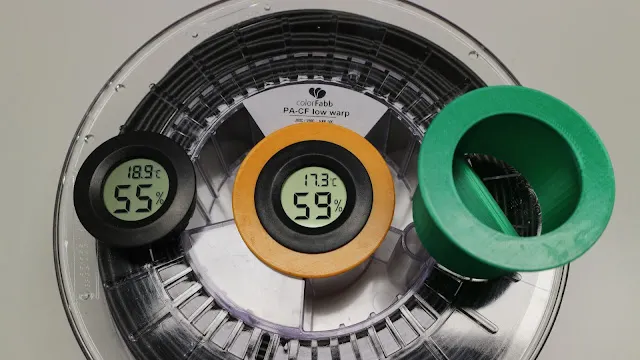
Filaments are hygroscopic to varying degrees, meaning they absorb water from the air. Czech summers bring alternating heat, open windows, storms and higher relative humidity. A spool left on a holder next to the printer can therefore print differently after a few days than freshly unwrapped material.
The problem mainly appears when the material is heated in the hotend. Water trapped in the plastic begins turning into vapor, disrupting smooth extrusion and weakening layer bonding. Sometimes you can hear this as gentle cracking or hissing. Other times there is no noticeable sound, but the print is hairier, less strong or has tiny craters on the surface.
This is more noticeable on printers with automatic material changes, multiple tools or long feed paths. During changes, the material is repeatedly heated, cooled, retracted and inserted again. Damp filament then strings more easily in the hotend, draws out thin strands and can cause problems when loading the next color or material.
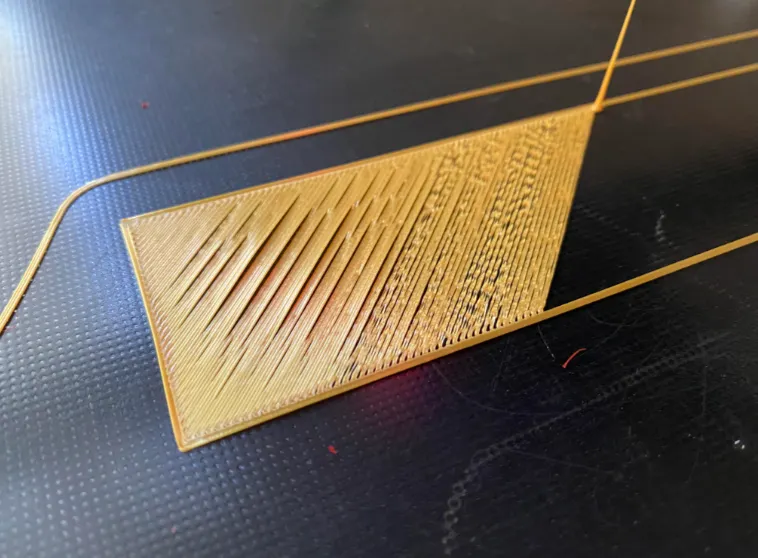
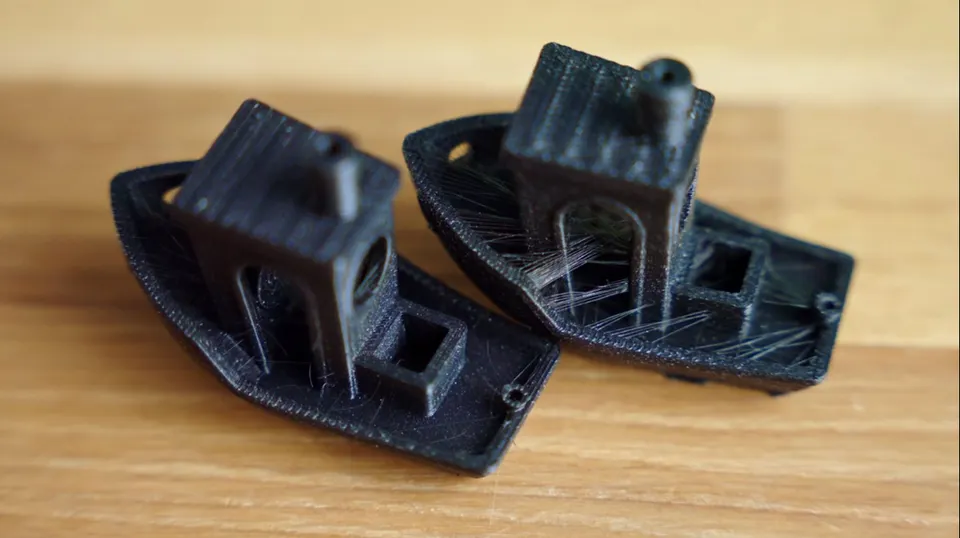
The most reliable indication is a combination of several symptoms at once. One hair on a model is not proof that the spool is wet.
With PETG and TPU, remember that some degree of stringing is normal even with dry material. However, if the same profile used to print cleanly and suddenly produces spider webs after a few humid days, drying is a very sensible first step.
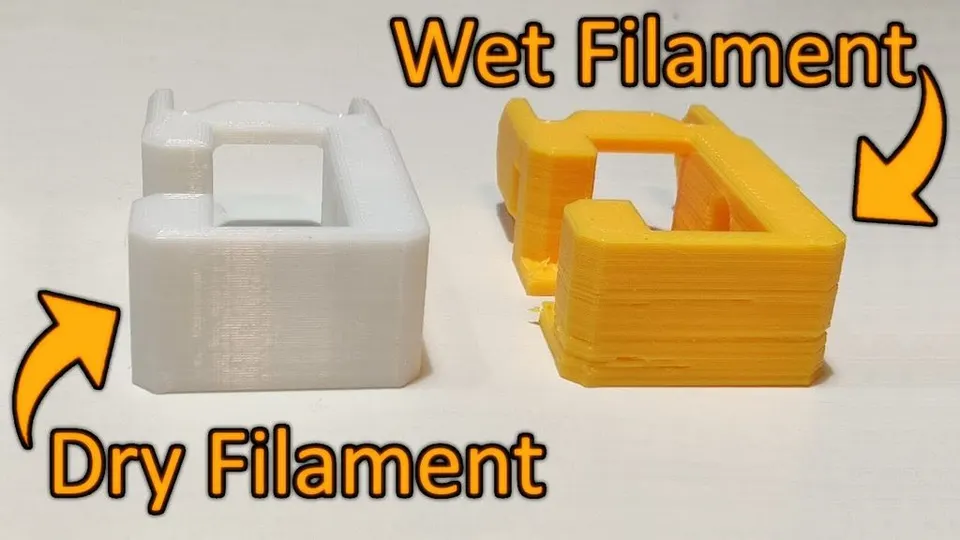
Before putting the spool in a dryer for several hours, perform a quick check. You will save time and avoid trying to solve a settings error by drying the filament.
A practical rule: when you hear cracking from the nozzle and simultaneously see bubbles or an irregular surface, drying has a high chance of helping. When you see only stringing without other symptoms, check the temperature and retractions first.
PLA is the most common material and also one for which moisture is often overestimated. A typical PLA spool that has been open for a few days in a normal home usually does not need immediate drying. If it prints cleanly, the layers hold and it does not string more than usual, leave it alone.
Drying PLA makes sense mainly in these situations:
Use low temperatures for PLA. Typically, 45 to 50 °C for 4 to 6 hours is sufficient. Do not overheat it in an oven without temperature control. PLA softens relatively early, and an inaccurate oven can warp or fuse the spool and filament.
PETG tolerates moisture less well than PLA and also naturally tends to ooze from the nozzle. This can make it difficult to tell whether the problem is with the material or the profile. If PETG suddenly strings much more, leaves tiny bumps on the surface, spits from the nozzle or looks foamy, drying is appropriate.
For PETG, allow approximately 55 to 65 °C for 4 to 8 hours, depending on how long the spool has been open. With transparent and glossy PETG, moisture is often visible on the surface sooner because bubbles and cloudiness spoil the optical appearance. With technical parts, layer strength and consistent extrusion are more important.
After drying PETG, do not leave it on an open holder again for several days. Ideally, print directly from a dry box or return the spool to a sealed container with silica gel after printing.
Treat nylon, or PA, as a material that should be dried preventively. With nylon, the question is not whether it will absorb moisture at some point, but how quickly. An open spool of nylon can degrade print quality very quickly in summer humidity, and for longer prints it is worth feeding the material directly from a dry or heated box.
Typical signs of damp nylon are cracking from the nozzle, bubbles, a hairy surface, weaker layers and poorer dimensional stability. With filled nylons, such as carbon-filled materials, always follow the recommendation of the specific filament manufacturer. In general, nylon is often dried at around 70 to 80 °C for 6 to 12 hours. Some materials require a more precise procedure and greater temperature stability than a standard household oven can provide.
With nylon, drying the spool once and then leaving it on a table for a week is not enough. Dry it, print from a dry box, and seal it again after printing—this is the procedure that makes the most sense for PA.
Always verify the specific values with the filament manufacturer. Blends vary, and spools may not withstand the same temperature as the material itself.
| Material | When to dry | Approximate temperature | Approximate time |
|---|---|---|---|
| PLA | When symptoms appear, after prolonged open storage, before demanding multicolor printing | 45 to 50 °C | 4 to 6 h |
| PETG | When there is extra stringing, bubbling, cracking or a poorer surface | 55 to 65 °C | 4 to 8 h |
| Nylon / PA | Preventively before printing, ideally print from a dry box | 70 to 80 °C | 6 to 12 h |
| TPU | When there is stringing, bubbling and soft, irregular extrusion | 50 to 60 °C | 4 to 8 h |
| PVA / BVOH | Protect from air almost always; dry according to the manufacturer | according to the manufacturer | according to the manufacturer |
If you use cardboard spools or spools with a glued center, also monitor the durability of the spool itself. The material might withstand a higher temperature, but the spool can deform, come apart or rub in the feeder.
The best option is a dedicated filament dryer with a fan and adjustable temperature. For common materials, a model that maintains a stable temperature and allows humid air to escape is sufficient. Some dryers allow printing directly from the box, which is especially useful with PETG, TPU and nylon.
A food dehydrator also works well if the spool fits inside and it can maintain low temperatures. Air circulation is an advantage. The drawbacks are usually higher noise and the need to modify the trays or lid.
An oven is an emergency solution. Household ovens often fluctuate more than the display indicates, and a brief temperature spike can damage PLA or deform the spool. If you use an oven, place a separate thermometer inside, wait for the temperature to stabilize and do not use a mode that creates intense local overheating.
Do not use a microwave. Neither the filament nor the spool is food, and the result is difficult to control.
Silica gel is excellent for maintaining low humidity in an enclosed space, but do not treat it as a quick replacement for a dryer. If the spool is already significantly damp, first dry it with heat and only then seal it in a box with desiccant.
A simple system works well for everyday use:
In enclosed multi-material systems, adding desiccant and monitoring the humidity inside helps. Open systems without a cover, however, are not dry boxes. If the spools are loose in the room, treat them as openly stored filament.
In summer, there is no need to turn every spool into a laboratory project. A few habits are enough.
Keep new spools in their bags until you really need them. Return unwrapped material to the box after printing. Dry PLA only when symptoms appear or before an important print. Dry PETG more often, especially when the surface needs to be clean. Dry nylon before use and print it from a dry box.
When problems appear, do not guess. Listen to the nozzle, inspect the surface, compare it with another spool and only then change the profile. Properly dried and well-stored filament will save you time, material and unnecessary slicer tweaking.


